

How I chose the windows for the Scout House — Marvin's Ultimate Collection, divided lites out front, clean glass out back, and a decade-long partnership.
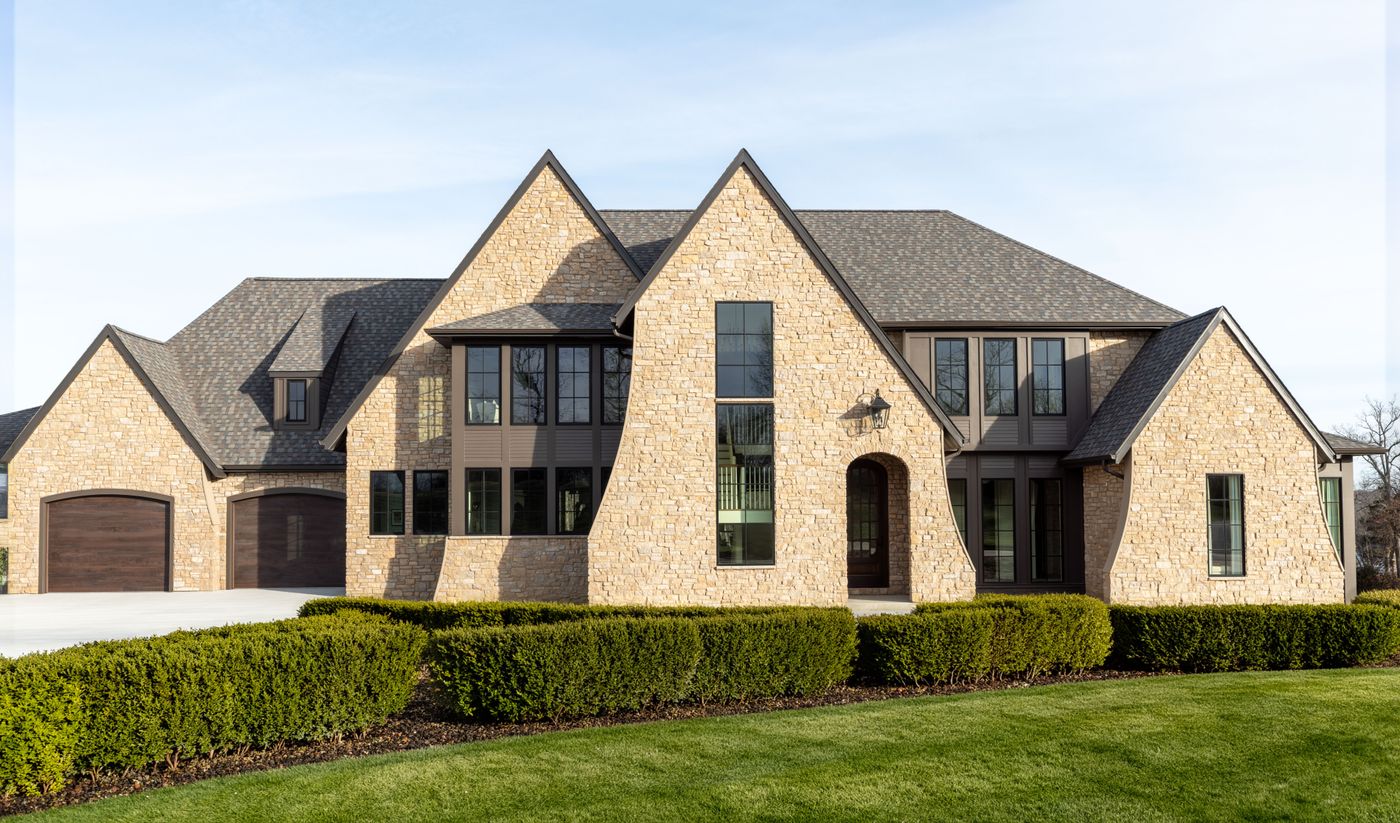
It started in Marvin’s factory in 2016 and came full circle almost a decade later at The Scout House. Every window in the Scout House was chosen with intention. Here's how I approached each choice and why Marvin became part of that story.
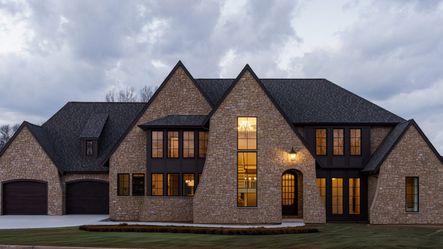
How do you choose windows for a home? If I'm being honest, I'm not sure I could hand you a formula, because I don't think there's one right answer. So the real answer, at least the one that mattered for me, has nothing to do with a spec sheet: you choose a partner you trust as much as the product itself. For The Scout House, that's where the whole story actually begins, in a Marvin factory back in 2016, almost a decade before I broke ground.
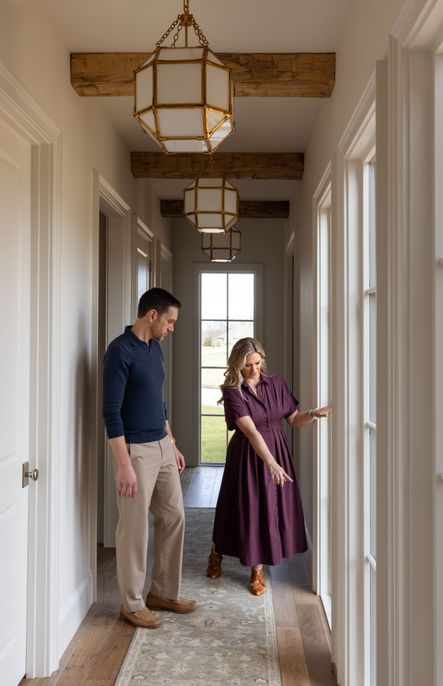
It started in 2016, on the factory floor.
Back in 2016, I toured the Marvin headquarters and got a firsthand look at the care and craftsmanship behind every window they make. I expected to be impressed by the product, but what actually stayed with me were the people, the passion on that floor, and a shared belief that every small detail matters.
As a designer, I've walked through countless beautiful showrooms over the years. Most leave you thinking about the product. Marvin was different. I left thinking about the people behind it, and hoping that one day I'd have the chance to build something alongside them.
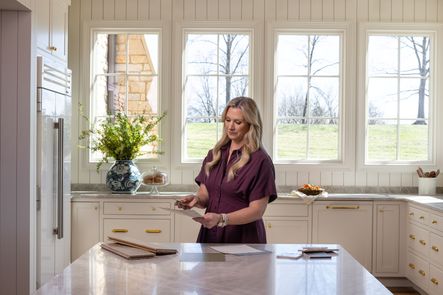
The architecture of this house is designed around its windows
When I finally designed The Scout House, a completely new build, every design call was mine to make. The windows came first. The architecture of the whole house is built around them. That's exactly why I reached for Marvin's Ultimate Collection: it gave me the range to make two opposite calls in one house.


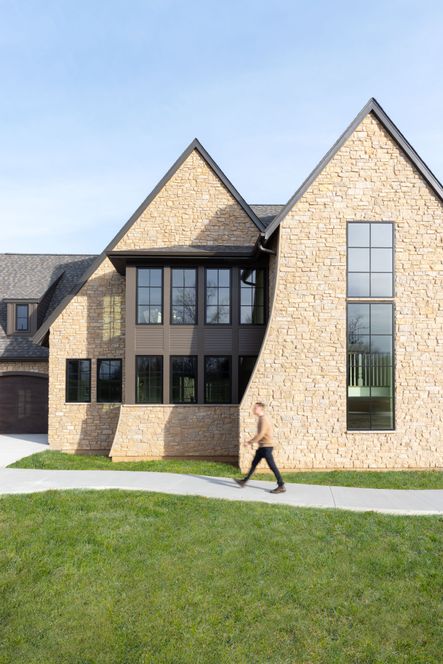
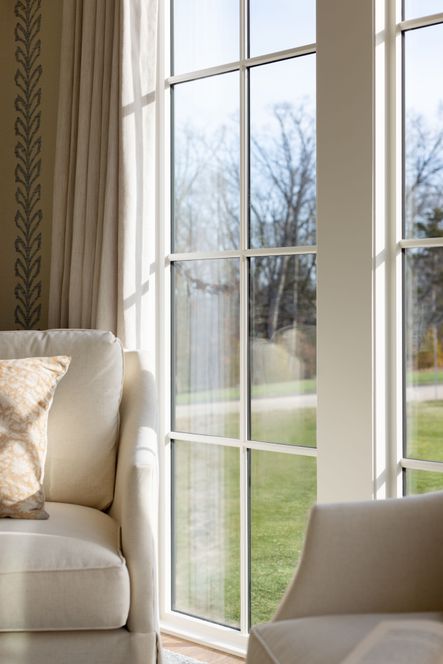
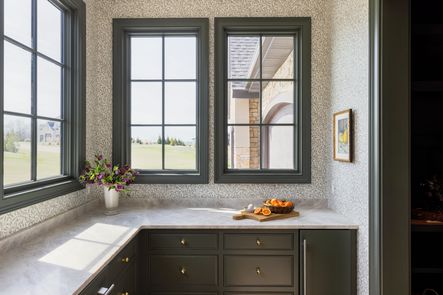
Across the front, I wanted the architectural interest of simulated divided lites, that grid of smaller panes, and the way they let the light in is genuinely beautiful. Out back, I did the reverse. The views from the rear of the house are gorgeous, so I wanted them completely unobstructed, with nothing standing between the room and the outside. One collection carried both the character out front and the clean glass out back. That range is the whole reason I trust it.
A house that makes you ask "when was this built?"
My goal with The Scout House was to make it feel timeless. I wanted someone to walk into The Scout House and genuinely not be able to tell when it was built, and the windows do a lot of that work; the divided lites up front read classic and a little bit old, in the best possible way.
Here's the thing about designing a spec house: everyone tells you to play it safe. Keep it neutral, keep it broad, choose the finishes that won't offend anyone so the house appeals to the masses. And I understand the logic, when you don't know who's going to walk through the door, the instinct is to smooth out every edge until the whole thing is agreeable and forgettable. But I broke that rule on purpose, because I don't believe safe is what people are actually looking for. They want a home with personality and character. They want to walk in and feel something. They want a house that feels like theirs, not a carbon copy of every other house on the block.
So I leaned in instead of holding back. I added color in the places where most people would have defaulted to another shade of beige, and I brought wallpaper into the spaces rather than treating pattern like something to apologize for. Those are the choices that give a house a point of view, the details that make you remember a room long after you've left it.
And when it came to the materials, I chose the ones I trust to age well, white oak, marble, quartzite. These are the surfaces that only get better with time. They soften, they patina, they pick up the marks of a life being lived, and to me that's exactly where the real character comes from. A house shouldn't peak on the day the last box is unpacked. The Scout House was built to grow into itself, to feel more like home with every year, right from the very beginning.
The sliding door and the heart of the home
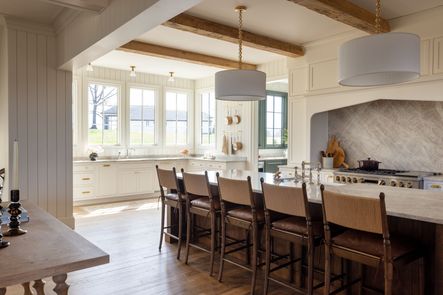
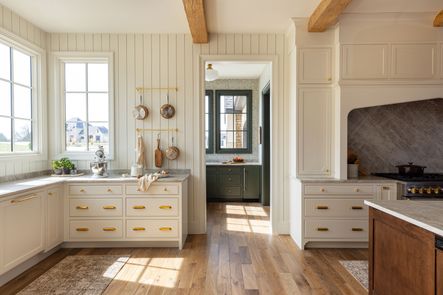
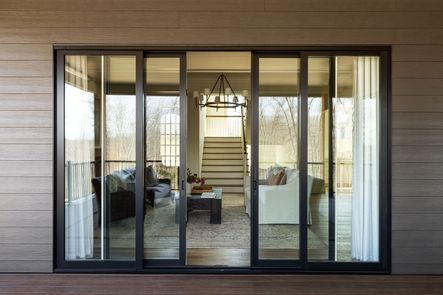
For me, the open concept living room and kitchen area is the heart of the home, so it had to breathe. I wanted a space that could expand when the whole family was gathered around the table and settle back into everyday life when it was just us. That's exactly why I chose the Marvin Ultimate Sliding Door.
Sliders get a bad reputation, but I actually think they're one of the smartest choices you can make. Because the panels glide instead of swinging open, you don't have to design your furniture around a door. It creates an easy flow to the patio, lets in an incredible amount of natural light, and makes the room feel larger than it actually is. When it's closed, it frames the view almost like a piece of art. When it's open, the line between indoors and out almost disappears.
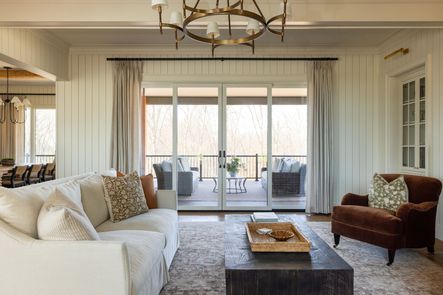
There's a myth that this kind of indoor-outdoor living only works somewhere like California. It doesn't. Even if you're only opening the door for a few months each year, those oversized panes of glass connect you to the landscape every single day. They make your home feel brighter and more connected to what's happening outside.


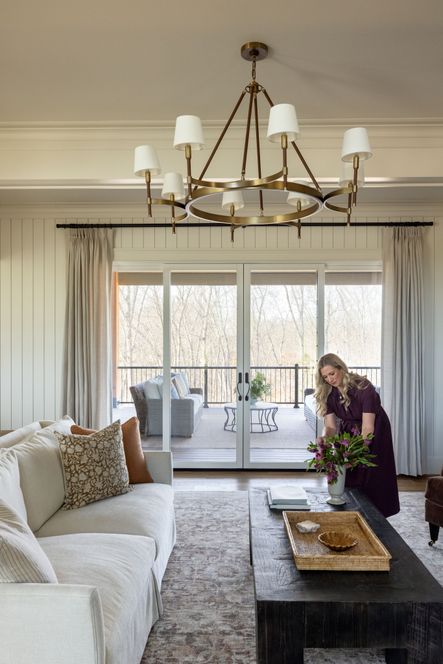
I think one of the biggest mistakes in design is trying to make a home feel new. When I designed The Scout House, I wasn't chasing what was current. I wanted it to feel like it belonged, as if it had always been there. Every decision, from the divided lite windows on the front of the house to the uninterrupted glass at the back and the slider off the kitchen, was made with that feeling in mind. That's one of the reasons working with Marvin felt like such a natural fit. Every detail helped create a home that feels timeless instead of tied to a moment.
Nearly a decade later, full-circle
Nearly ten years after walking through the Marvin factory for the first time, I found myself building The Scout House alongside that same team. There was something incredibly meaningful about working with people whose values have always felt so closely aligned with my own.
Marvin has been family-owned since 1912, and they describe their work as imagining better ways for people to live. Standing in the finished house, you feel it. The best homes are shaped by hundreds of intentional decisions, and every one of them gets easier when you're surrounded by people who care about the work as deeply as you do. I'm grateful for the craftsmanship and the heart this team brought to the house. It was a dream, and a project I'll never forget.
Want to see how it all came together? Walk through the full Scout House reveal, or start with the pieces I chose for it in The Scout House collection.
All imagery courtesy of Marvin
FAQ
What windows are in the Scout House?
The Scout House features Marvin's Ultimate Collection — Ultimate Casement and Ultimate Direct Glaze Narrow Frame windows, with simulated divided lites across the front and clean, unobstructed glass out back. Off the kitchen, there's a Marvin Ultimate Sliding Door for indoor-outdoor living.
How did Jesse choose the Scout House windows?
Jesse designed the architecture of the house around the windows rather than choosing them last. She picked the Ultimate Collection for its range: divided-lite character and light out front, clean unobstructed views out back, two opposite calls handled by one line.
Why simulated divided lites on the front of the house?
For the architectural interest and the way a grid of panes carries the light. The classic, slightly-old look is a big part of what makes a brand-new home read as timeless, the "when was this built?" reaction Jesse designs for.
Should the windows match the front and back of a house?
Not necessarily. At the Scout House, Jesse used divided lites out front for character and stripped the grids off the back for uninterrupted views. Design each elevation for what that side of the house is doing, the facade and the view want different things.
How do you choose windows for your home?
Start before the catalog. Decide how you'll live in each room and what you want it to feel like, then let the architecture lead the glass: character where you want it, clean panes where you want the view. And choose a window partner you trust as much as the product.
Comments
Comment or question? Leave it below.
Six white dresser styles — from warm antique finishes to sculpted modern lacquers — and the rooms each one suits best. Shop designer dressers at Scout & Nimble.
keep reading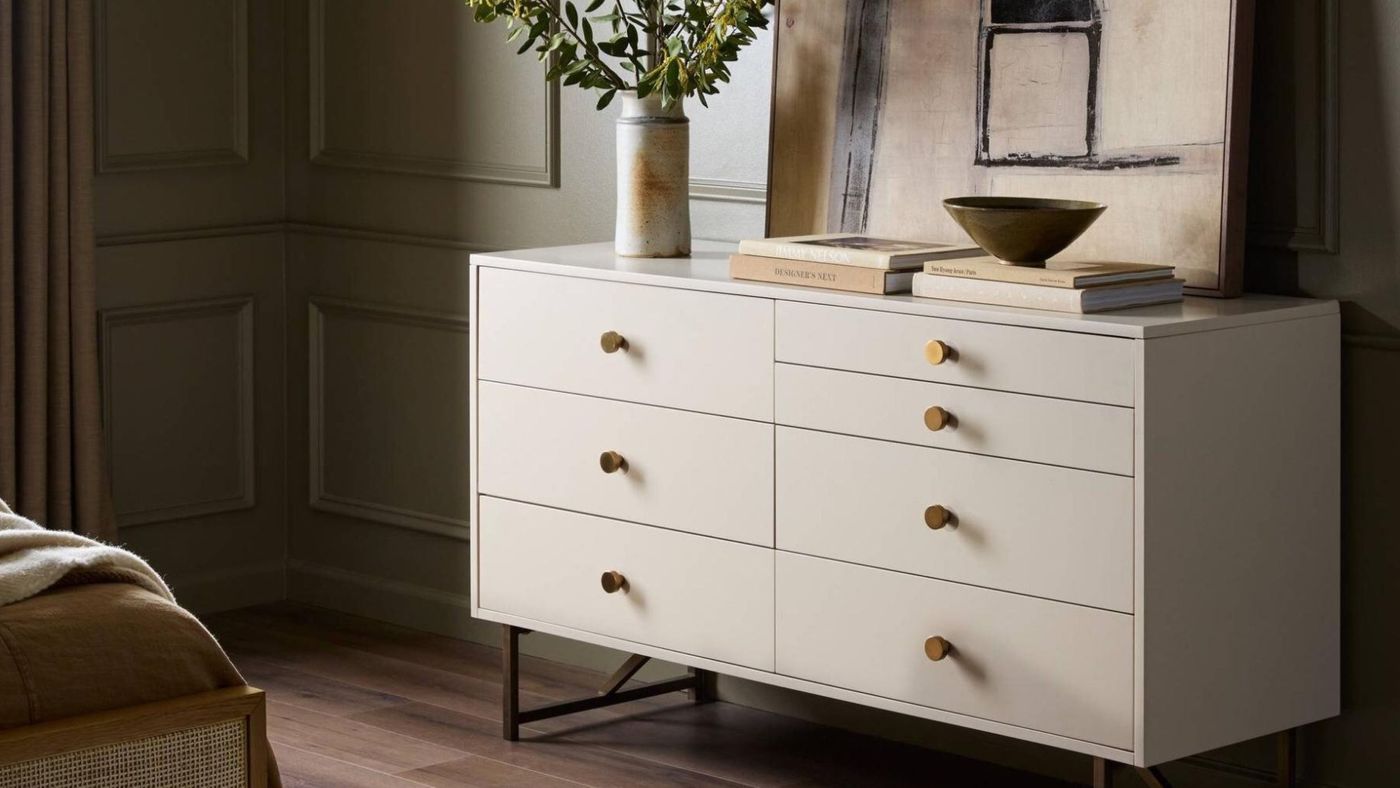
You can put a clean-lined sofa next to your grandmother's carved chest. Here is how I actually do it, including what to do about the matching set that is already sitting in your bedroom.
keep reading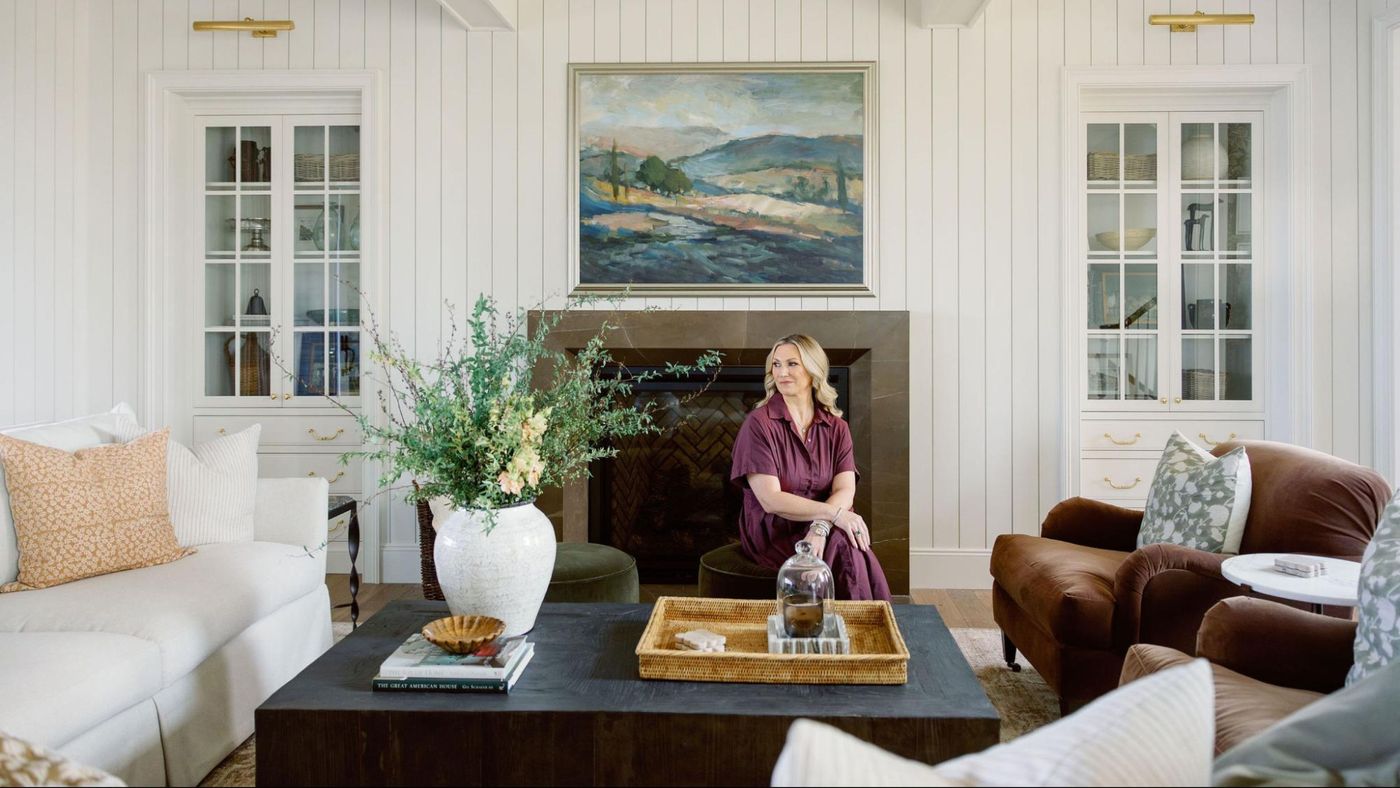
The kitchen is divided into three working zones, with the dining table right in the middle and the scullery at the end intentionally left open. Nothing is closed off from the rest of the space. Here’s the thinking behind each of those decisions.
keep reading
Three completely different purchases go by the same name. Here's how I sort them, and what I'd buy for each.
keep reading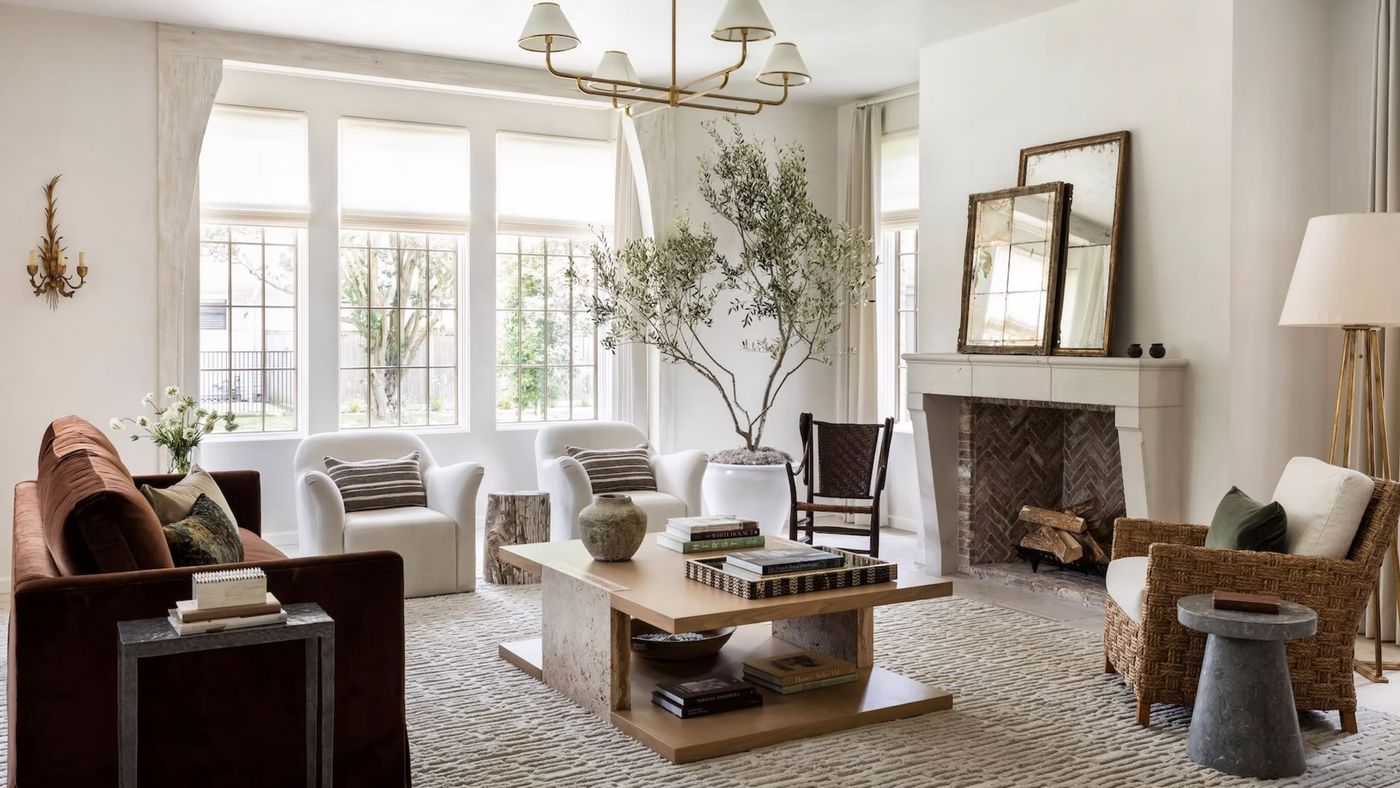
Diameter, clearance, and the base you choose decide how many people actually fit around a round table. Here are the numbers our designers use, and the tables we'd recommend to every client.
keep reading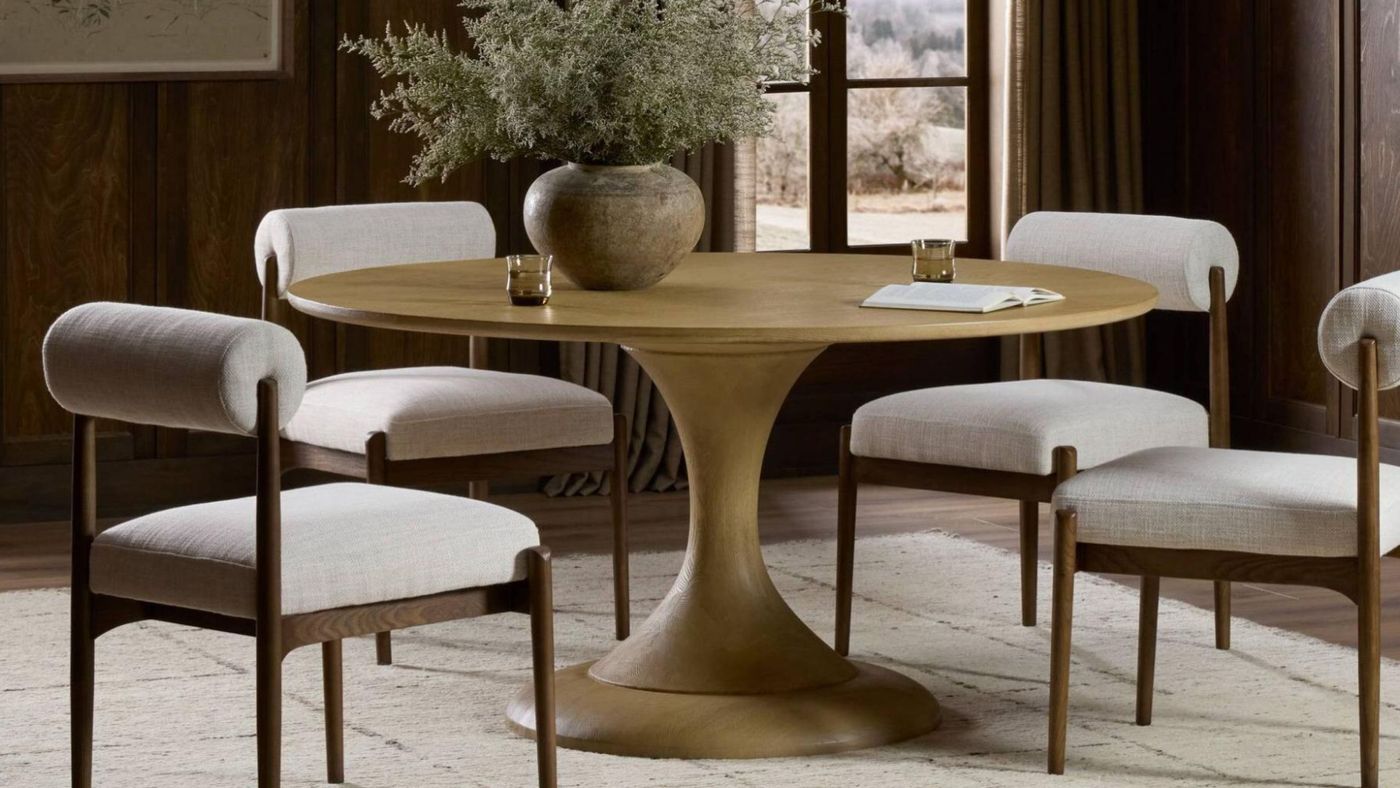
Six white dresser styles — from warm antique finishes to sculpted modern lacquers — and the rooms each one suits best. Shop designer dressers at Scout & Nimble.
keep readingYou can put a clean-lined sofa next to your grandmother's carved chest. Here is how I actually do it, including what to do about the matching set that is already sitting in your bedroom.
keep reading


