

Solid or engineered is a subfloor question, not a taste question. Jesse on the Scout House floors, and the 5 inch plank width she would pick again.
The Floors in the Scout House: Why We Chose Real Wood Floors
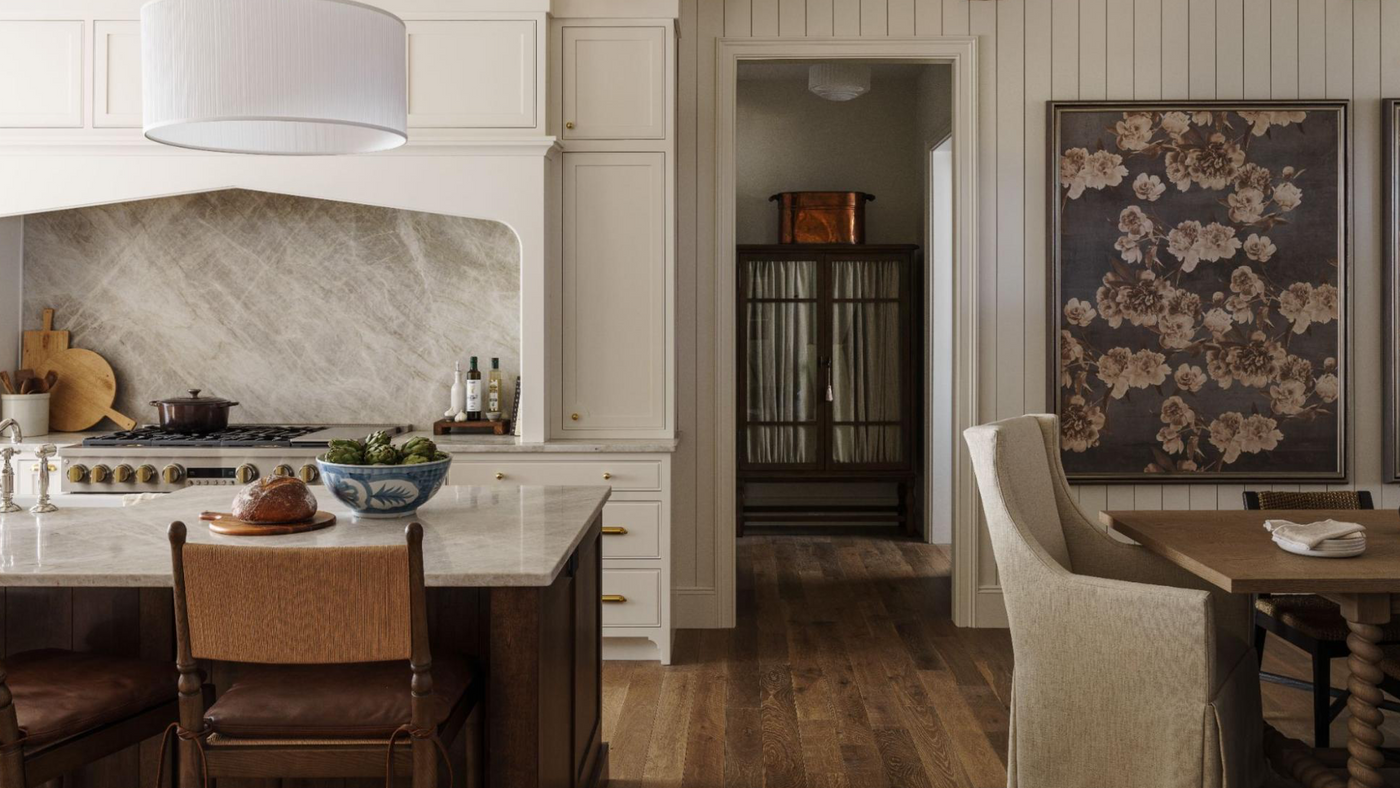
The floors touch every room in the Scout House, so they were the one thing I would not compromise on. Here is what we used, why the basement had to be different, and how we landed on a five inch plank.
 |
Solid or engineered is not a taste question. It is a subfloor question. If you have wood framing and a wood subfloor, you can use solid. If you are on a concrete slab or a concrete basement, you use engineered. That is the whole rule, and it takes a lot of the pressure off.
In The Scout House we used both, and I do not think you could walk through and tell me where one stops and the other starts. Flooring is the one material that touches every single space in a house, so it was not a place I was willing to compromise.
Why I had to work with Real Wood
I discovered Real Wood Floors a few years before The Scout House and knew almost immediately it was a product I wanted to keep specifying. Later, I learned they were based in southern Missouri, just a few hours from where this home was built. There was something fitting about using a Midwestern product in a Midwestern home. It made the choice feel even more intentional.
What first drew me in was the wood itself. I wanted white oak with authentic character, not a floor that looked manufactured to imitate it. Their flooring has natural variation and depth that many prefinished products simply don't. Because The Scout House was both a personal project and a home that would eventually be sold, I wanted materials that would mature gracefully instead of chasing a trend.
What really sets Real Wood Floors apart is how complete the offering is. They don't just provide flooring, they provide the pieces that make the entire installation feel cohesive. The floor vents are designed to match the flooring. The stair treads are built from the same material. They can even produce beams and other architectural elements. Instead of piecing together products from multiple suppliers and hoping everything works together, I could create one continuous story throughout the home.
What we actually used, down to the quarter inch
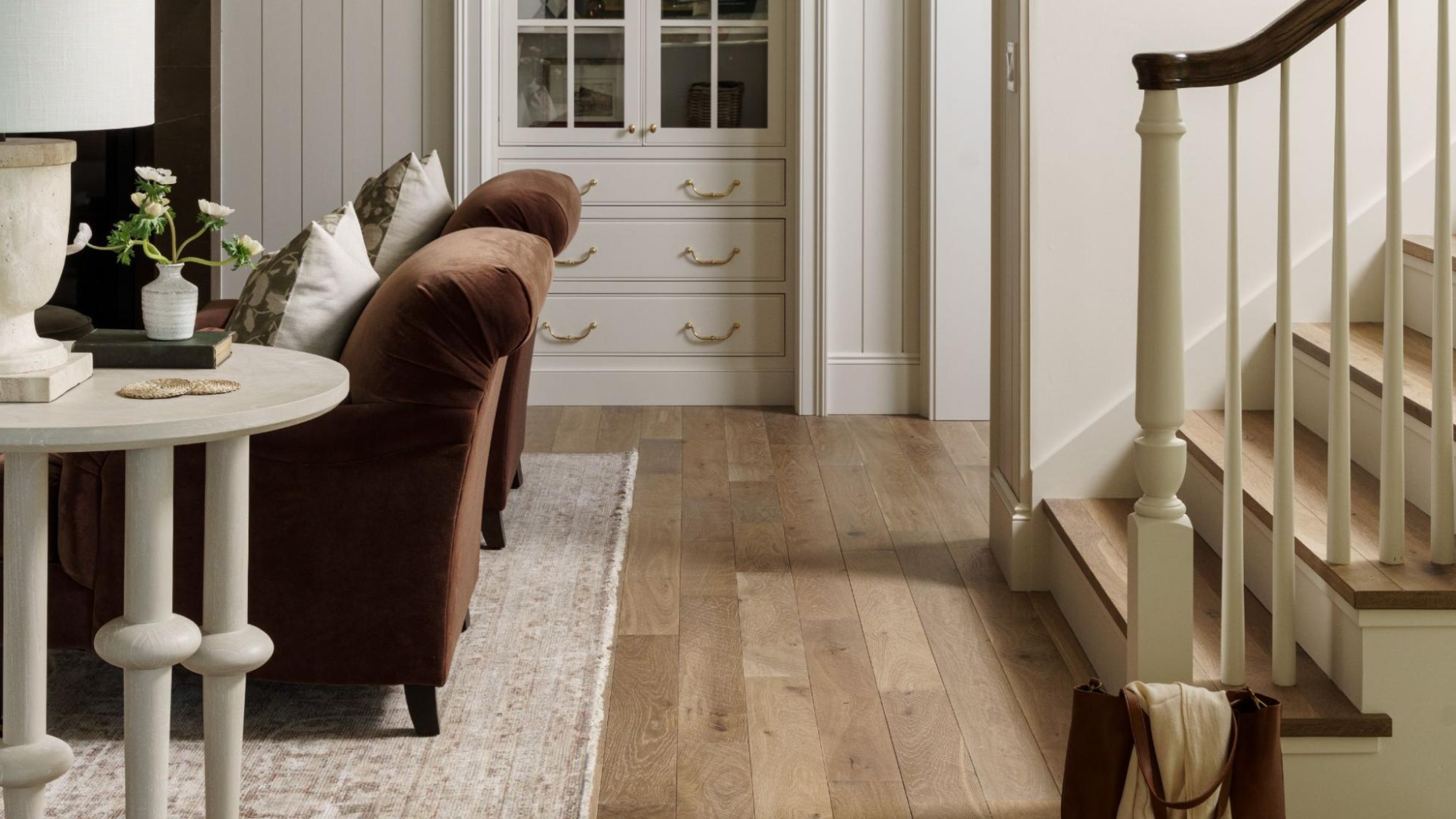
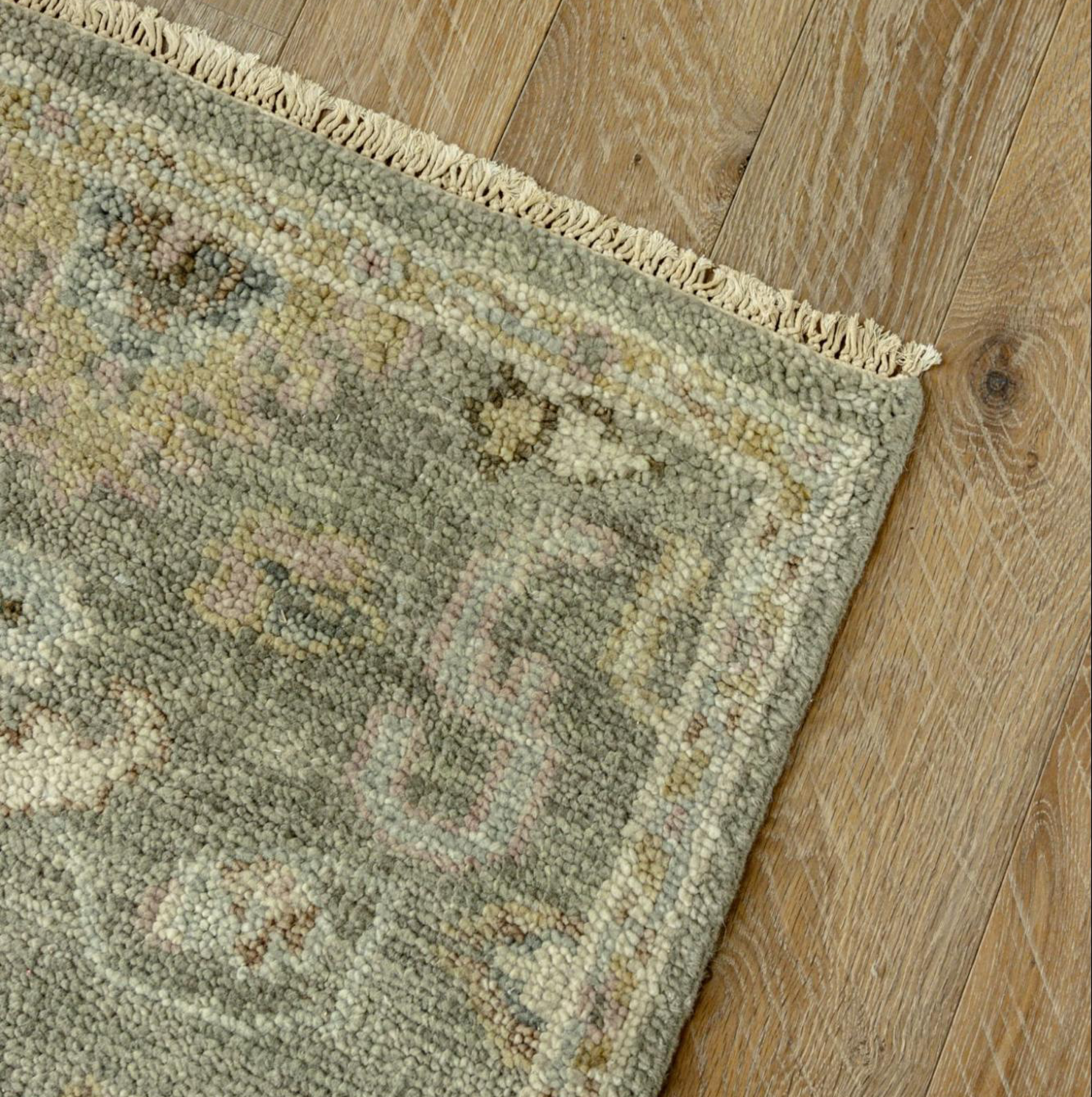
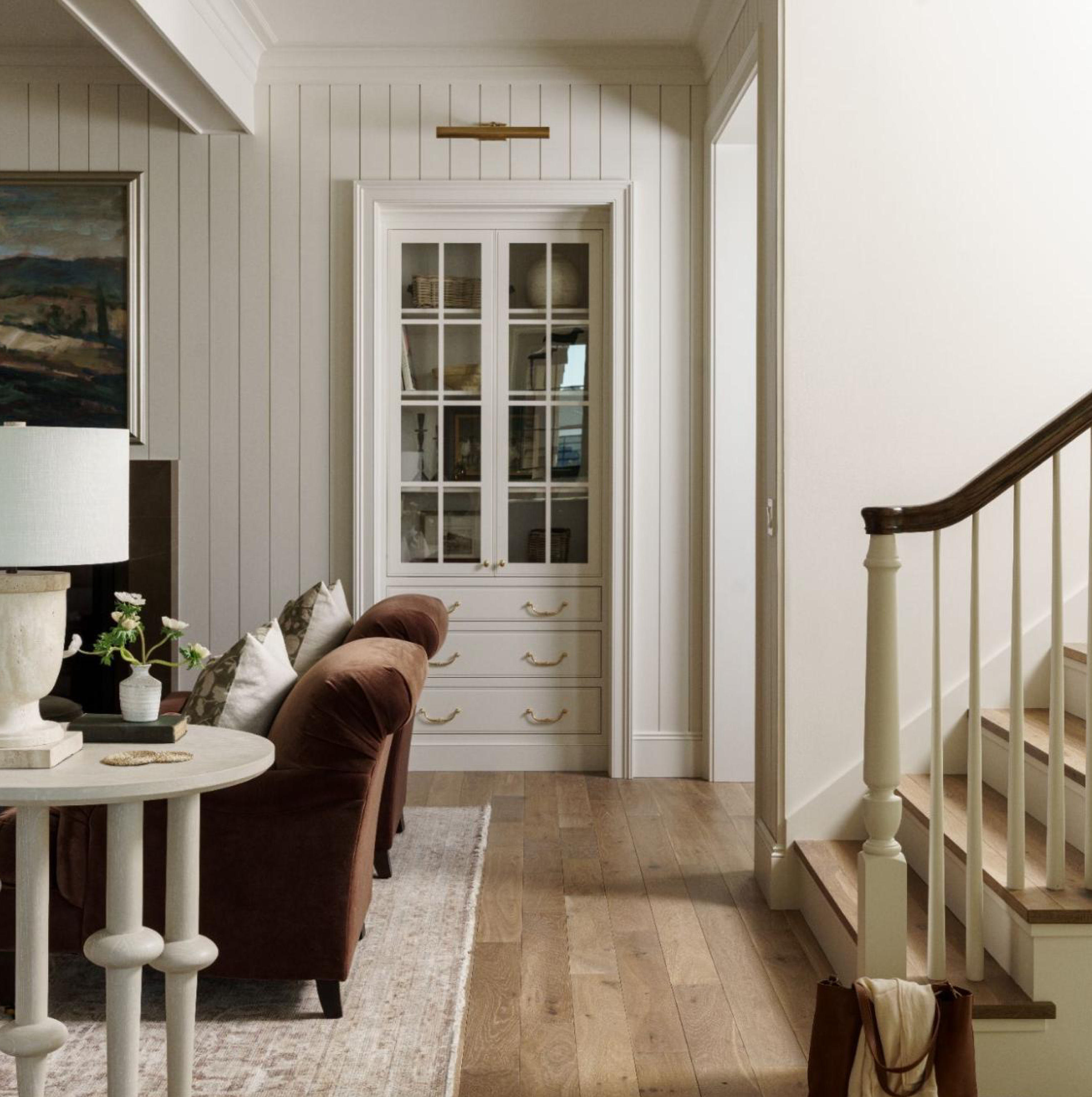
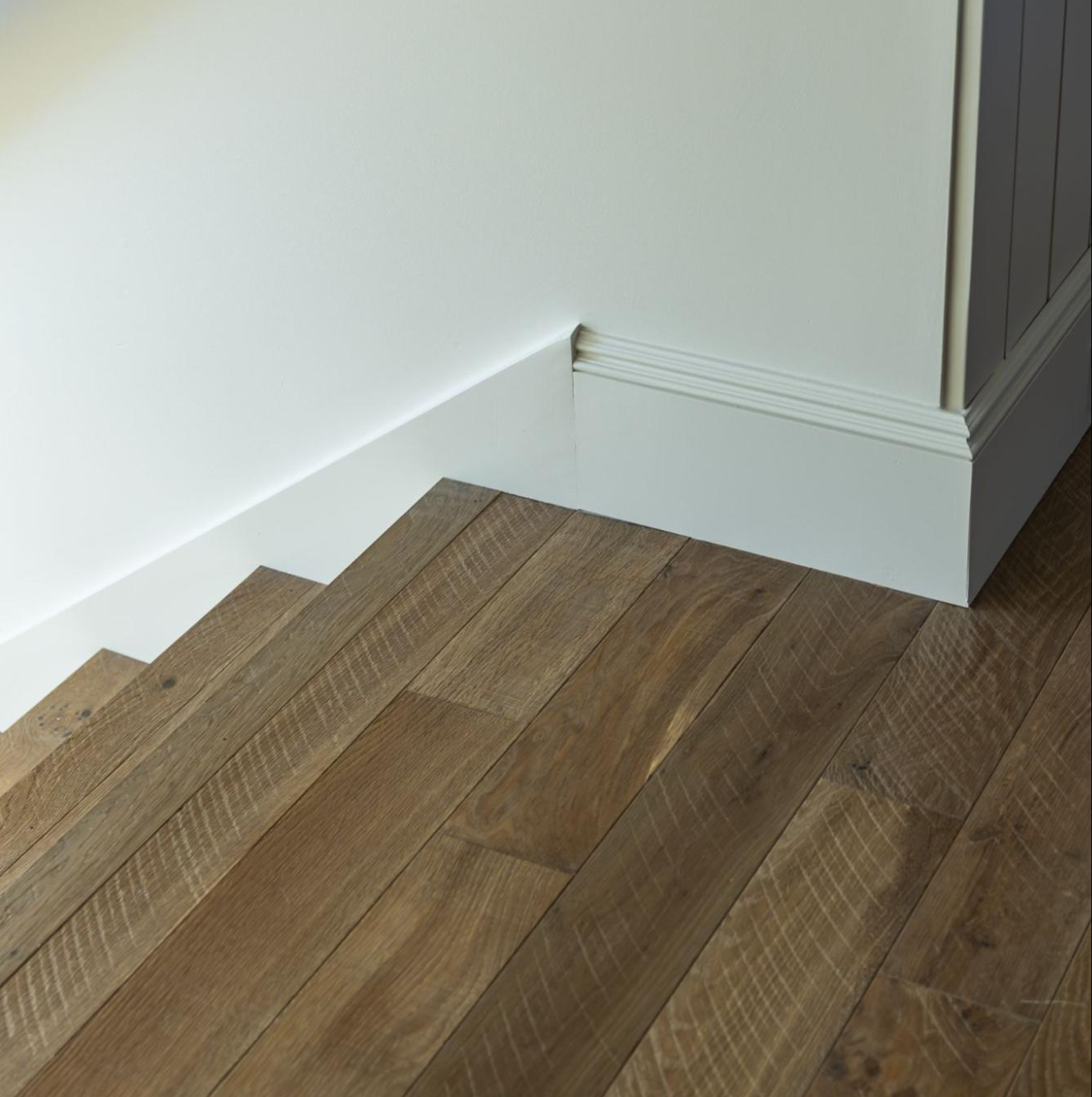
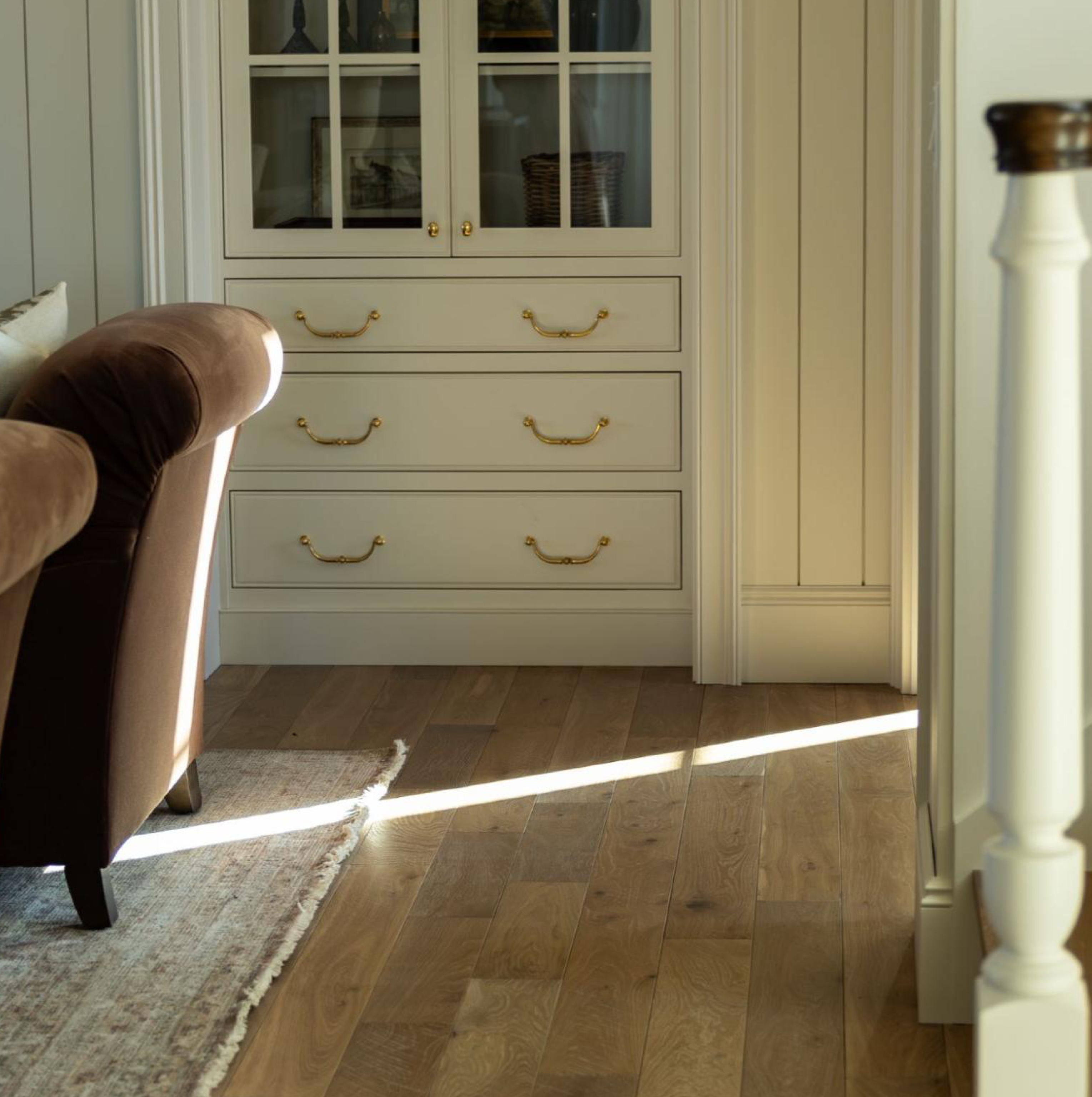
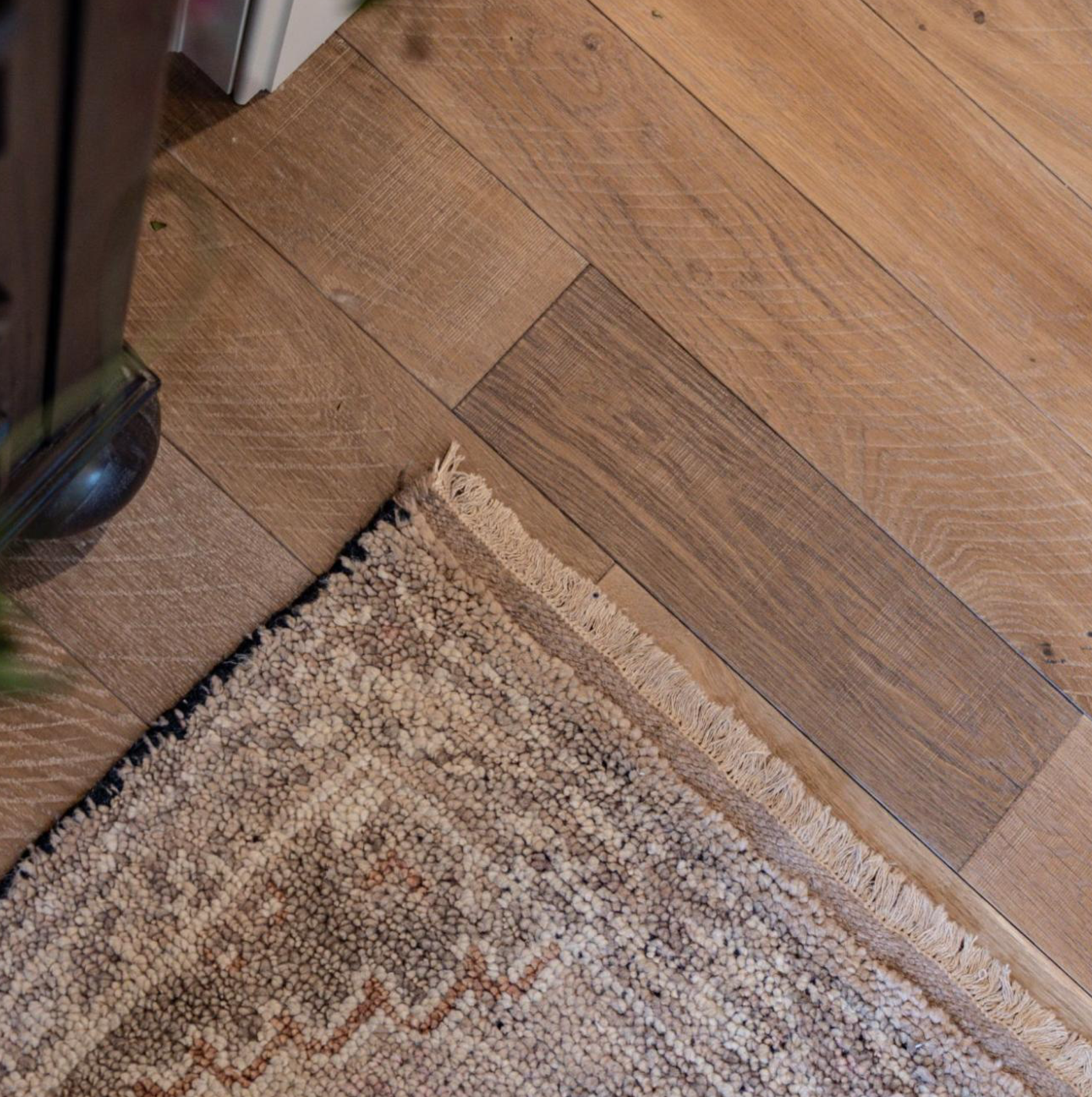
On the main floor and the stairs we used Storehouse Plank in Drum. It is solid white oak, 5 inches wide, 3/4 inch thick, with lengths running from about one foot up to seven. It has a wire brushed, reclaimed texture, and the variation is what I love most. You get everything from really light boards to dark knots with a ton of character.
 |  |
Upstairs we ran the same solid Storehouse Plank in the hallway and the loft playroom, and did carpet in the bedrooms. In the basement we used Vintage Loft in Millhouse, their engineered European white oak in the same reclaimed style. It goes wider, 8 1/2 inch planks, 5/8 inch thick, with lengths from two to eight feet. The color is a beautiful match to Drum, so there is a subtle shift and nothing jarring, and with the higher ceilings down there the wider plank actually felt right.
Why I went with a five inch plank and not eight
Here is my honest opinion, and I know it runs against where things are going. We are seeing a trend toward wider and wider floors, seven inches and up, some of them pushing ten and twelve. A really wide plank is kind of a dead giveaway that a house was built recently. Go back in time and you were usually looking at a 3 inch plank throughout. Five inches feels like the width you do not notice, which is exactly what I wanted in a house nobody should be able to date.
So start with the house, not with the showroom. The wider the plank, the more current the house reads. If you want classic and timeless, go down in width. If your house leans a little more modern, you have more room to go wide. It is not a hard rule, there are gorgeous old homes with really wide pine planks. And sometimes the mismatch is the best part: everything in the house feels classic, and then you have this really wide plank floor, and that juxtaposition is the thing that makes the house memorable.
 |  |
One floor, three levels, without three different floors
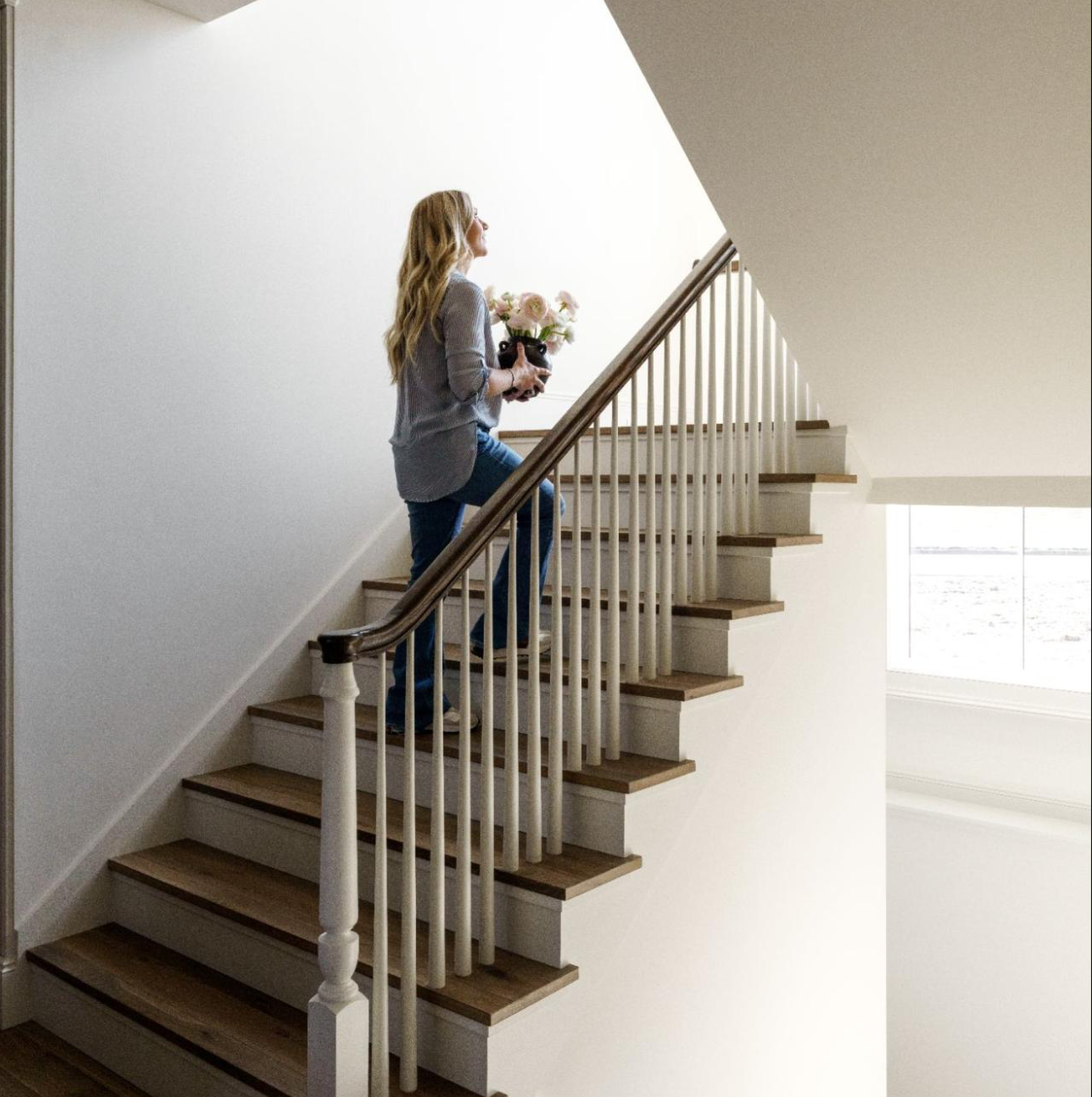
We did have to switch to an engineered product downstairs, but I did not do was switch the look or feel of the basement. Solid Storehouse Plank on the main floor and upstairs, engineered Vintage Loft in the basement, and their stair treads tie them together so the color match from the main floor all the way down is exact, with the same wire brushed finish carrying through
Something I have noticed in the past few years is that there has been a conversation flip that has turned into you cannot use real wood in a basement, and that is not quite it. The rule is about concrete. A main floor poured on a slab has exactly the same limitation a basement does. Wood framing with a wood subfloor, solid is fine. Concrete, you go engineered, and when a manufacturer tells you that, listen to them.
Where I have a stronger opinion is what goes in a basement at all. Here in the Midwest almost everyone has one, and because water can get in, people default to vinyl because it feels like the safe choice. There is a time and a place for vinyl, do not get me wrong. But if you want a basement to feel elevated, I am going to tile or wood every time. Wood feels homey, it is warm underfoot, and it absorbs sound in a way tile never will.
That is what people are really after when they say continuous. Not one identical box of flooring, but one uninterrupted story, so you are never introduced to a brand new floor when you change levels. That is the part you feel and cannot quite name.
The vents you are not supposed to notice
As a designer I am always looking at what will start and stop your eye. There are places I want continuous flow with nothing interrupting it, and there are places where I am fine letting your eye land. A custom unlacquered brass vent? I am okay with your eye stopping there. A metal vent from the local hardware store? Absolutely not.
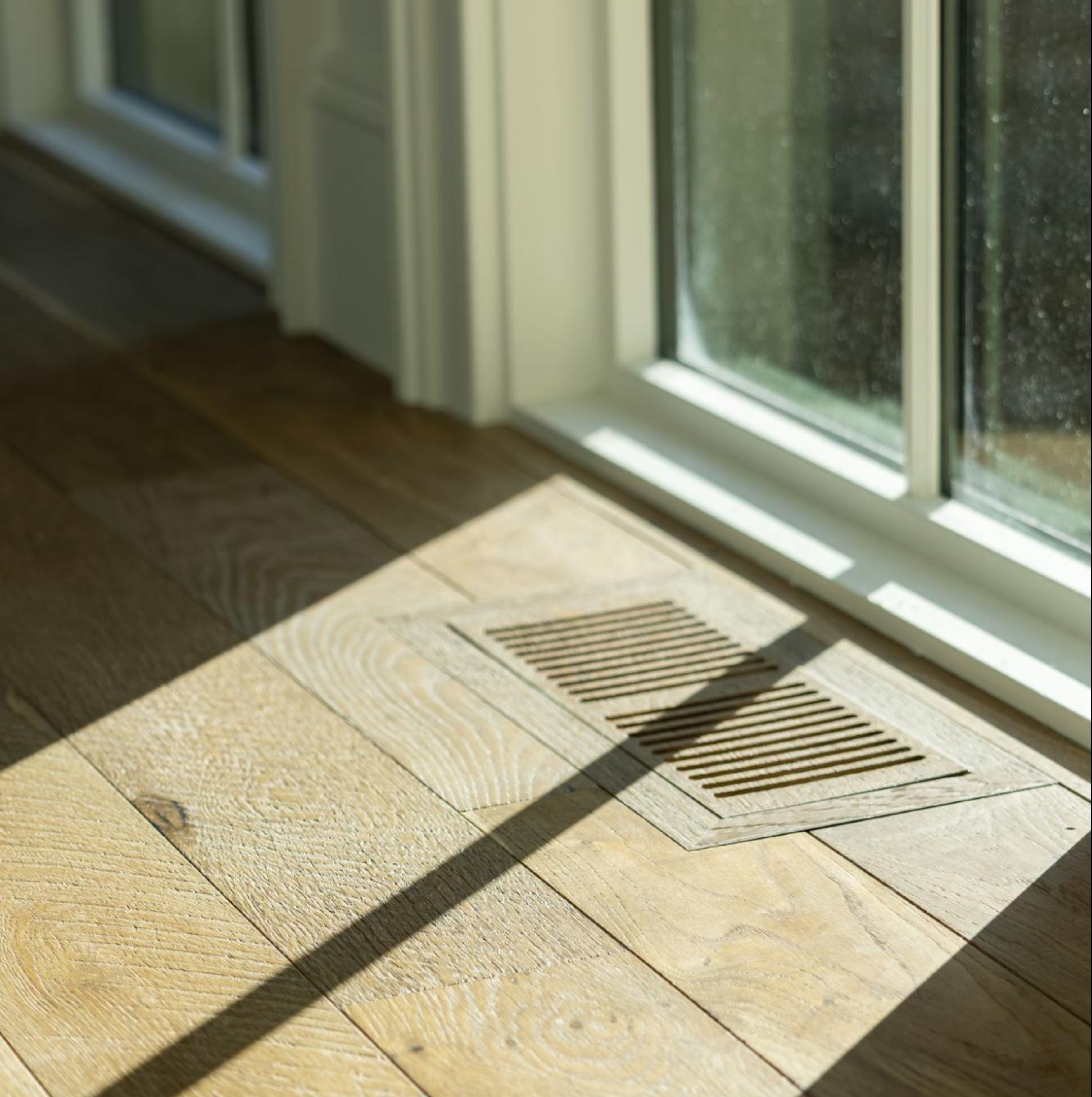
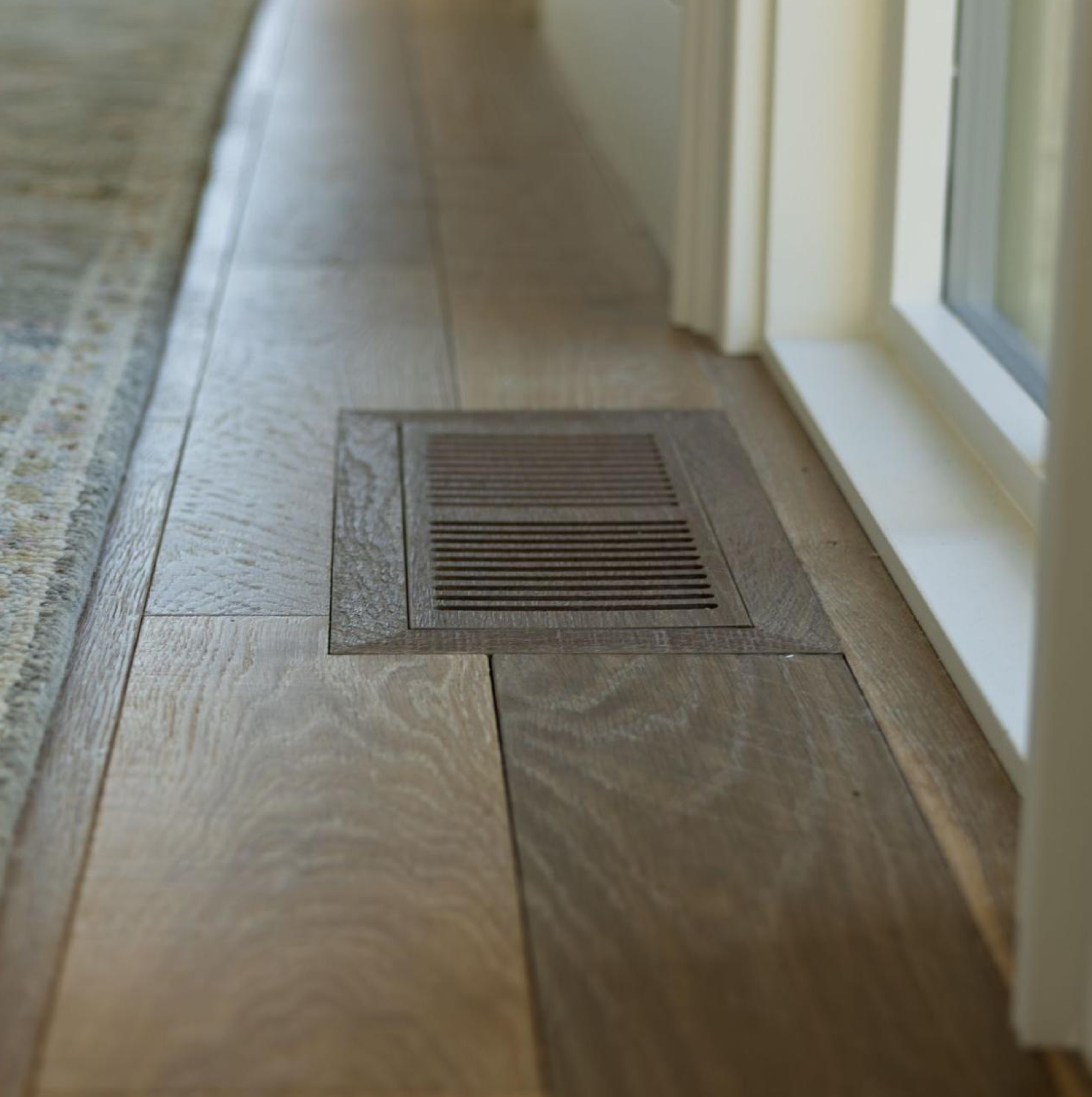
The Scout House was meant to feel traditional and classic. I wanted someone to walk in and not be able to guess when it was built. So the answer was using Real Wood’s seamless wood vents, cut from the same flooring, and it is one of the best upgrades in the house.
 |  |
Why this floor is meant for real life
A wire brushed, matte finish is the most forgiving floor you can put in a house with real life happening in it.
I can say that from experience in two directions. In my own home I have real hardwoods that were sanded on site, and they are flat with no character, and they show everything. My boys had these little race cars they would push into the floor as hard as they possibly could, and I remember thinking oh my gosh. We chose a color that hides a lot of the wear, but the floor itself gives you nothing to hide behind.
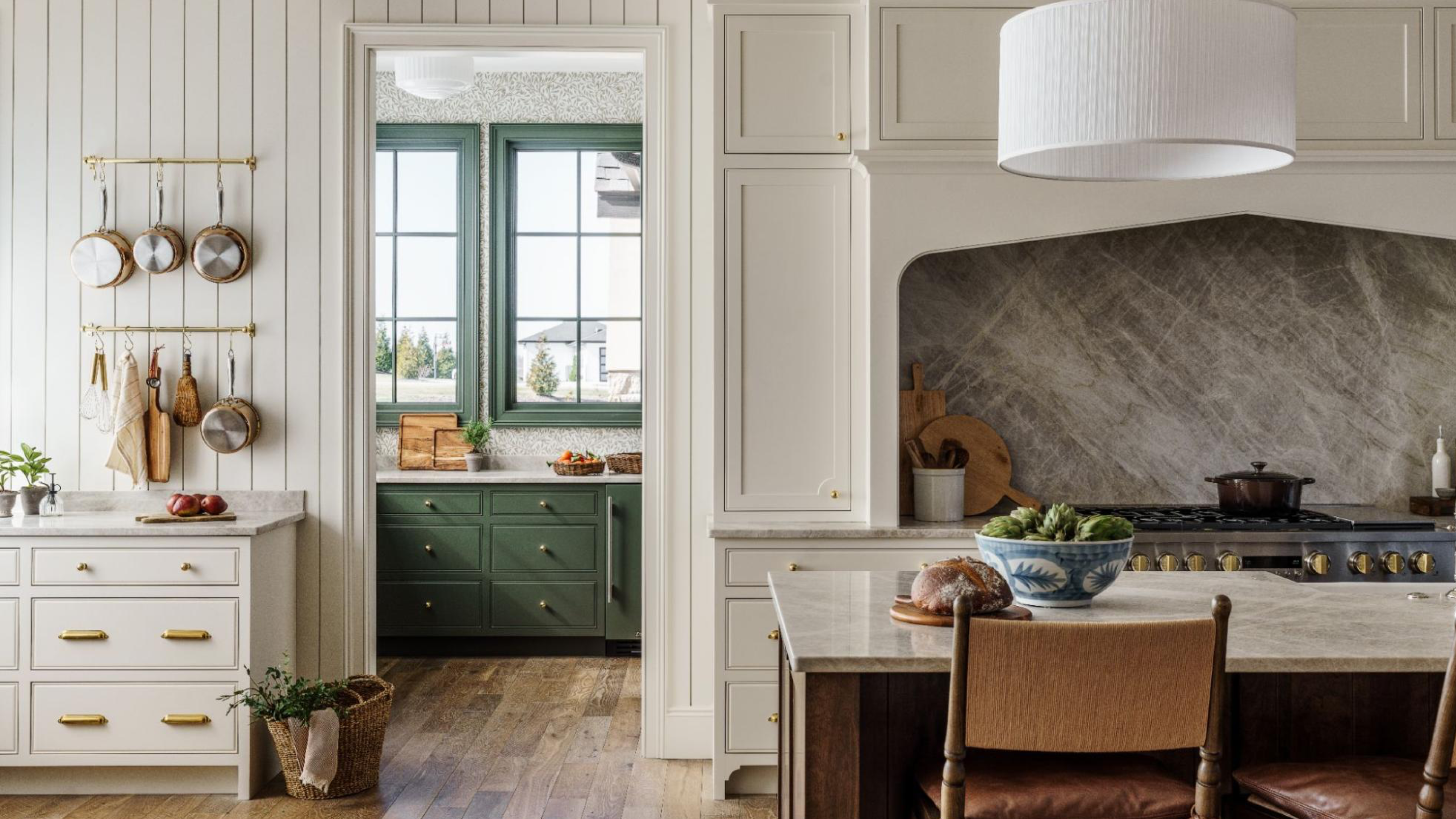 |
That is exactly why I love this product. There is so much character already in it that the scratches have somewhere to go. The wire brushed finish hides dog nail marks. In some spots you will even feel a slight lip between boards, and I always tell people that is intentional. It is never big enough to stub your toe on, it is just character. These can be refinished if you ever want to, though I am not sure why you would. So when the dogs are going full speed through the kitchen, that finish is doing a lot of work for you, and it is still soft underfoot. It is textured, not rough.
 |  |
How to clean your floors without wrecking them
A lot of people get nervous on the upkeep flooring may take, and because of this, they can back out of a decision that would have actually allowed them to have a beautiful home that is symbiotic with their lifestyle.
If your goal is simply to get dirt and debris off of the floors before it does damage or gets harder to deal with, you need to follow these rules. Spills get wiped up right away with a rag or paper towel, because stains and grime only get harder the longer they sit. High traffic areas like the kitchen, hallways, entry and living spaces get sprayed and cleaned about once a week, or more if life demands it. Low traffic rooms like bedrooms, guest rooms and extra bathrooms get done as needed.
What to keep on hand is a microfiber dusting pad, a vacuum or broom, a microfiber cleaning pad, and an approved hardwood floor cleaner. Real Wood Floors recommends Real Clean Floors, and I would just use whatever your manufacturer recommends. What to keep away from your floors is wet mops, steam mops, supermarket oil soaps, waxes and polishes, and anything ammonia based or alkaline, straight or diluted. One note on all of this: it applies to surface sealed floors, which most floors are. If yours is finished with a hard wax or a penetrating oil, check with the flooring or finish manufacturer before you put anything on it.
The question that helps ground every decision
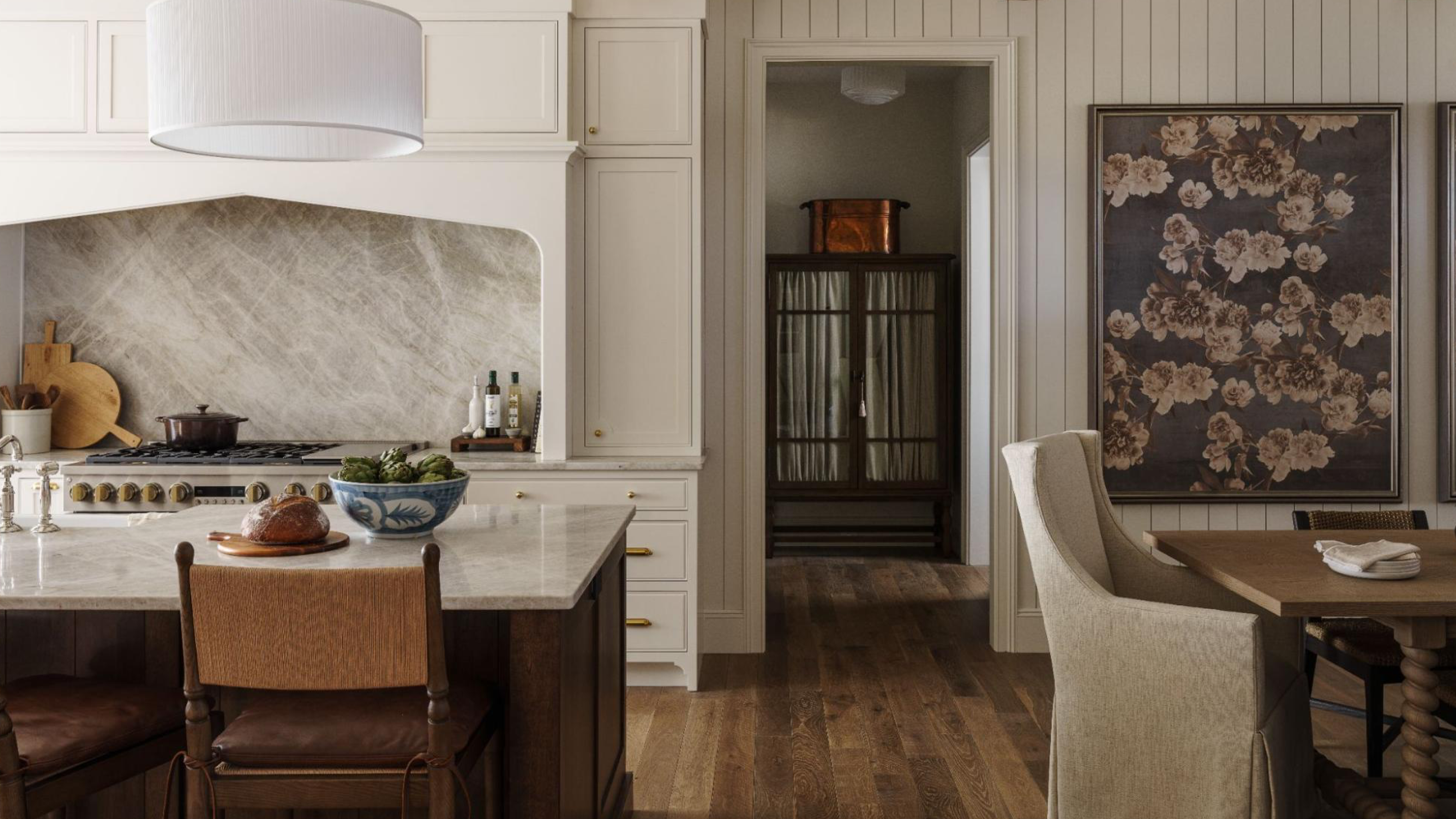
Your hardwood is in every single space. It can be a beautiful secondary character in your home, and if you do something like herringbone it becomes the star. It is also usually a big square footage number, so when people get to price per square foot, it is very tempting to shave a few dollars off. I understand it, that math gets loud fast.
But the question I always come back to is this: what am I going to regret in five years? Hardwood is a no brainer splurge for me. Cabinetry, focus on quality, because you touch it every day. Countertops, probably splurge depending on the space. Cabinet hardware and some of the smaller details are where you can save. And Real Wood Floors has collections that span from high end down to a more achievable budget, so you can stay in their character and quality at different price points.
The floor is not the line item to trim. Everything else in the room can be swapped out later. This one you live with.
 |
Can you put hardwood floors in a basement?
Yes, as long as it is an engineered product. The limitation is not the basement, it is the concrete. Solid hardwood cannot go over a concrete slab, but engineered wood is built to handle below grade concrete. In the Scout House basement we used an engineered white oak that matches the solid floor upstairs.
What is the difference between solid and engineered hardwood?
Solid hardwood is one piece of wood through and through, and it needs a wood subfloor with wood framing. Engineered hardwood is real wood over a stable core, so it can go over concrete. Both are real wood. Which one you use is decided by your subfloor, not by taste or quality.
What plank width should I choose for hardwood floors?
Let the house decide. The wider the plank, the more current the house reads, so a classic or traditional house is better served going narrower. We used 5 inches on the Scout House main floor because it is wide enough to feel generous and narrow enough that nobody can date the house by it.
Are wire brushed hardwood floors good with dogs?
They are the most forgiving wood floor you can choose. The brushed texture and matte finish break up light instead of reflecting it, so nail marks and scratches disappear into the grain rather than sitting on top of a flat, glossy surface. A floor with natural character built in gives wear somewhere to go.
Can you steam mop or wet mop hardwood floors?
No. Never wet mop and never steam mop a wood floor. Standing water and forced steam get into the seams and will ruin the floor faster than anything else you do to it. Use a microfiber pad with an approved hardwood cleaner, and wipe spills up as they happen.
Comments
Comment or question? Leave it below.
You can put a clean-lined sofa next to your grandmother's carved chest. Here is how I actually do it, including what to do about the matching set that is already sitting in your bedroom.
keep reading
Solid or engineered is a subfloor question, not a taste question. Jesse on the Scout House floors, and the 5 inch plank width she would pick again.
keep readingDesigner Jennifer Hunter built a Greek Revival in Connecticut and gave every room a starting point. Inside her pattern-filled Litchfield County home.
keep reading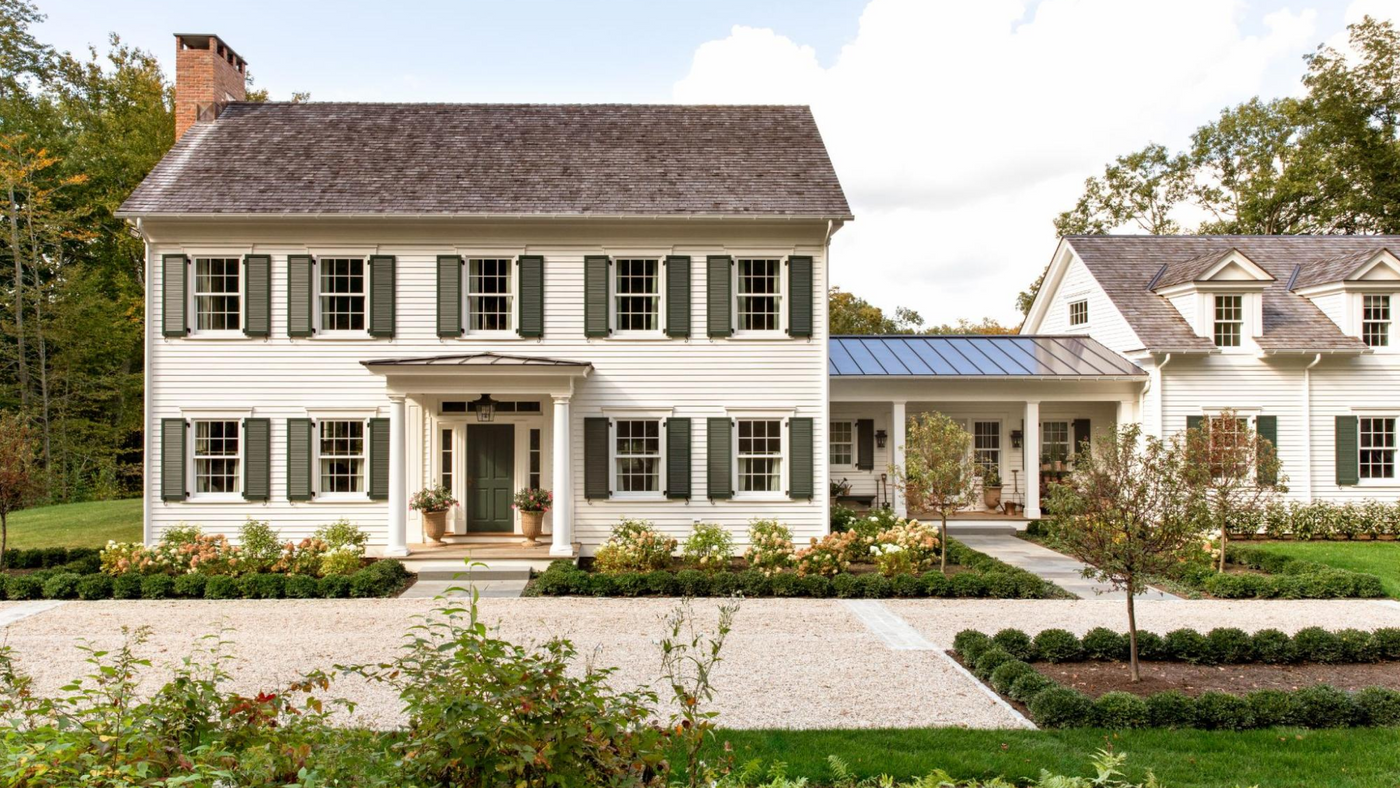
Gabby furniture, seen in six rooms of the Scout House. Jesse breaks down every piece she chose, what the quality buys you, and where to start.
keep reading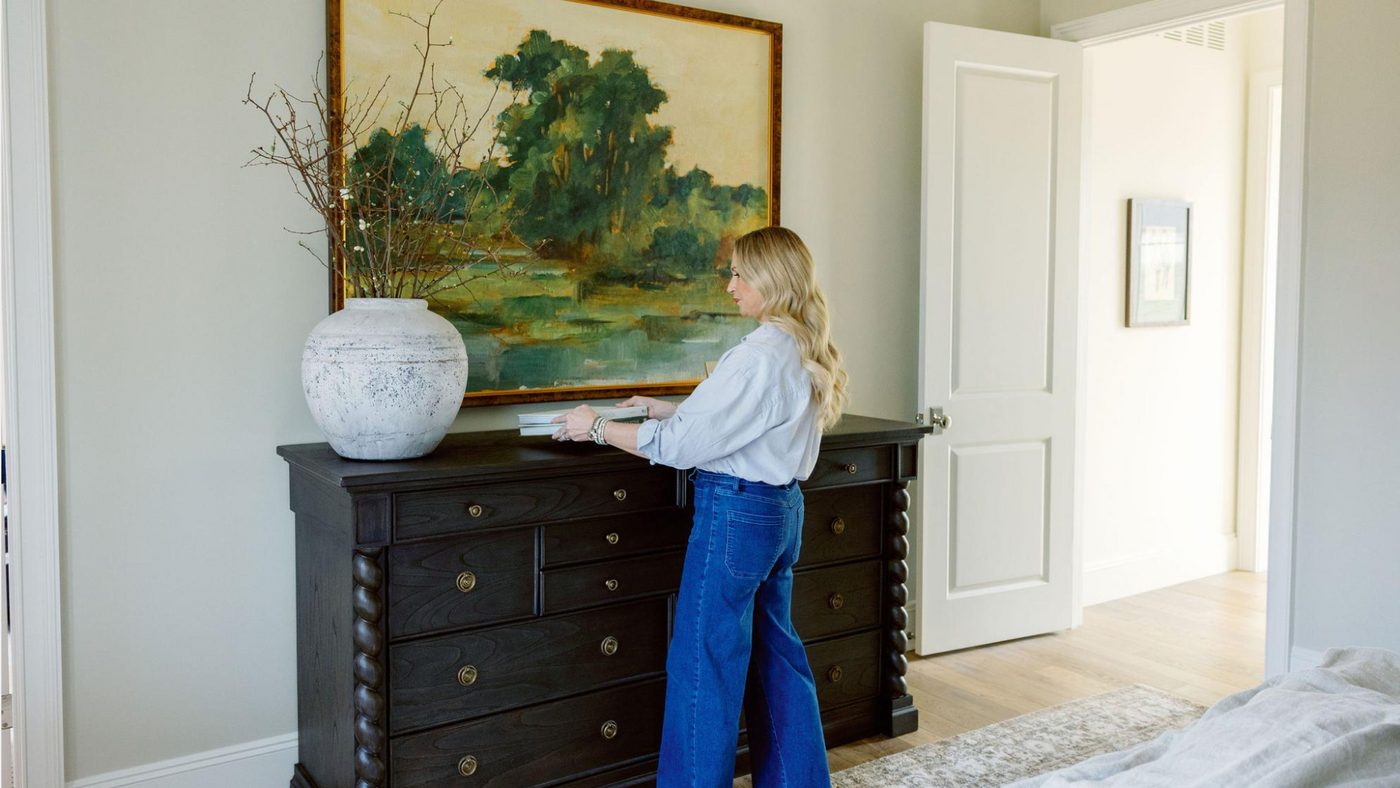
Jesse put True Caliber refrigeration in the Scout House and color matched the cabinets to it. Why she showed the appliance instead of hiding it.
keep reading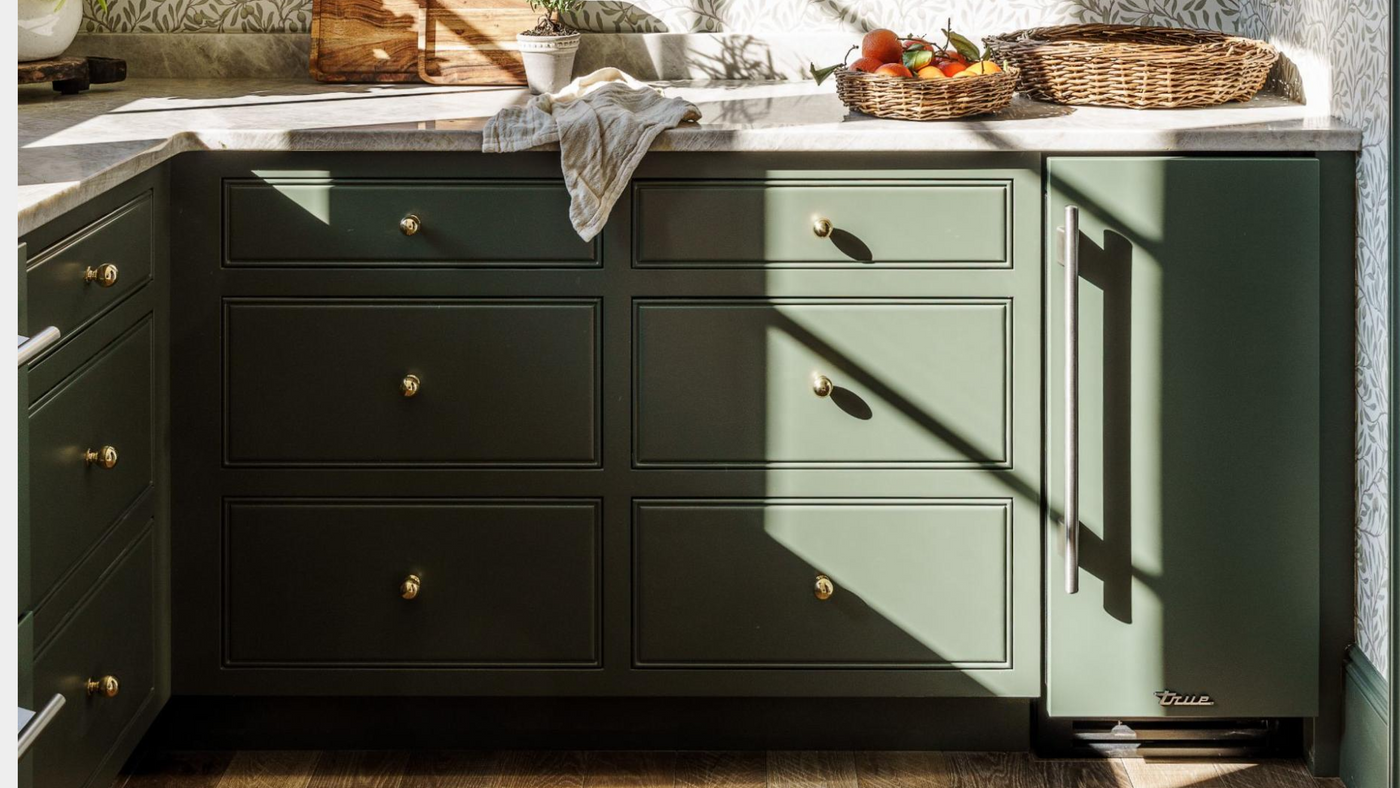
You can put a clean-lined sofa next to your grandmother's carved chest. Here is how I actually do it, including what to do about the matching set that is already sitting in your bedroom.
keep readingSolid or engineered is a subfloor question, not a taste question. Jesse on the Scout House floors, and the 5 inch plank width she would pick again.
keep reading


