

Step inside Aaron Paul's Idaho cabin, designed by Pearson Design Group with interiors by Jake Arnold, and learn how to bring rustic mountain style home.
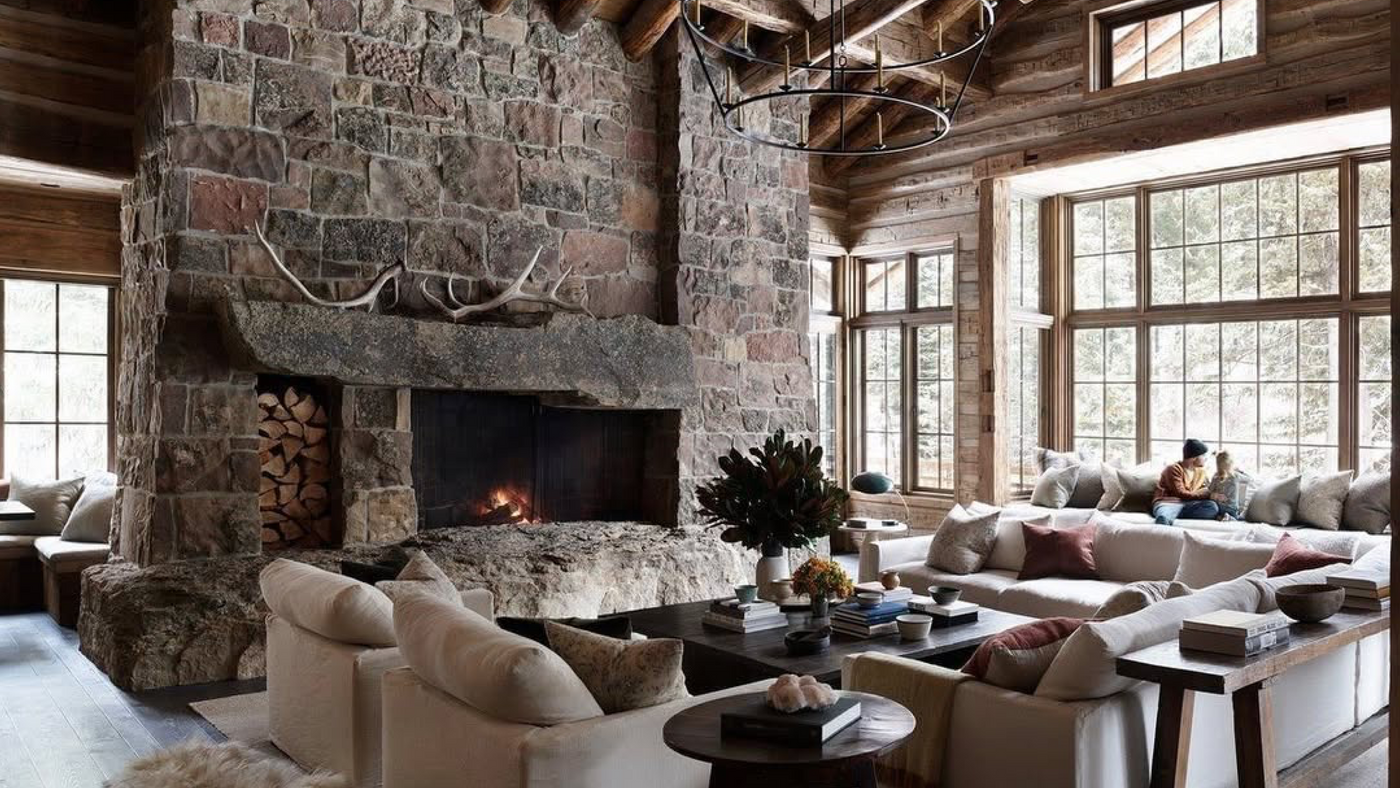
The Art of Rustic Mountain Living: Inside Aaron Paul’s Idaho Retreat
Why Aaron Paul’s Idaho cabin is one of my favorite examples of rustic mountain design, and what its incredible stone fireplace, reclaimed wood, and beautifully layered interiors can teach us about creating a home that feels like a retreat.
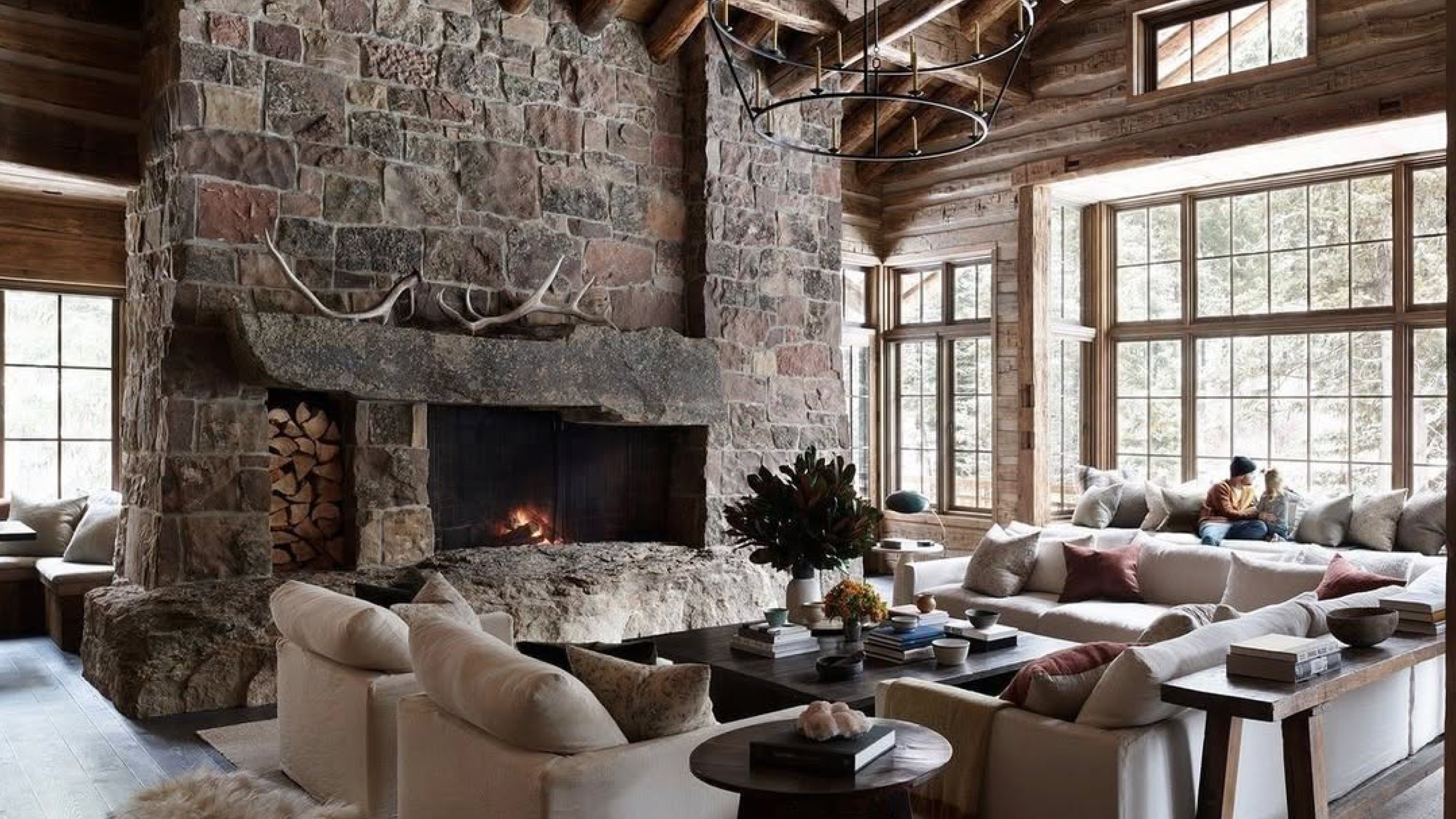 |
Rustic mountain style is all about natural materials, rich textures, a sense of history, and spaces that feel warm and inviting. And when I think of a home that captures that feeling beautifully, I always come back to Aaron Paul’s Idaho retreat, Camp Pretty Bird.
Designed by Pearson Design Group with interiors by Jake Arnold, this home is one of the best examples I’ve seen of how rustic architecture and more refined furnishings can work together.
What I love most is that it feels like a true mountain lodge without being overly decorated. The stone, wood, and architectural details create so much character that the furniture can be softer, simpler, and more restrained. That’s exactly what makes it so beautiful.
Why Rustic Mountain Style Is Having a Moment
Lately, I’ve noticed more and more people asking for a very specific kind of home.
They’ll mention Jackson Hole, Yellowstone, Montana, Big Cedar Lodge, or Blackberry Mountain. While those places all have their own personalities, people are trying to capture a common feeling.
They want a retreat. Somewhere peaceful and comfortable, surrounded by nature, with interiors that feel collected over time rather than decorated all at once.
It’s interesting because I’ve watched this preference evolve throughout my career. When I first started in design, European French country and Old World interiors were everywhere. Then we saw a return to traditional design, followed by the popularity of English cottage and Cotswolds-inspired homes. Now, I’m seeing more interest in rustic mountain living.
I think it has a nostalgic quality that people really connect with. Ralph Lauren’s mountain aesthetic captures a similar feeling, with its rich colors, natural materials, and lived-in elegance.
 |  |
But the most important thing to understand is that rustic mountain isn't the same as modern mountain. Modern mountain homes tend to have cleaner, more contemporary architecture and brighter interiors. Rustic mountain homes embrace the opposite. They’re layered, a little moodier, and full of materials that feel like they have a history.
Aaron Paul’s home captures that distinction beautifully.
A Cabin That Feels Like It’s Always Been There
Aaron Paul grew up visiting Idaho, where his grandparents had an A-frame cabin. When he and his wife, Lauren, eventually found their own property, they chose five wooded acres along a river and built a home that would feel connected to the landscape.
Pearson Design Group in Bozeman, Montana, designed the architecture, and Jake Arnold was brought in to design the interiors.
The house was built from scratch, but it doesn't feel that way. With log construction, heavy timbers, natural stone, and reclaimed materials, it has a wonderful sense of age and permanence.
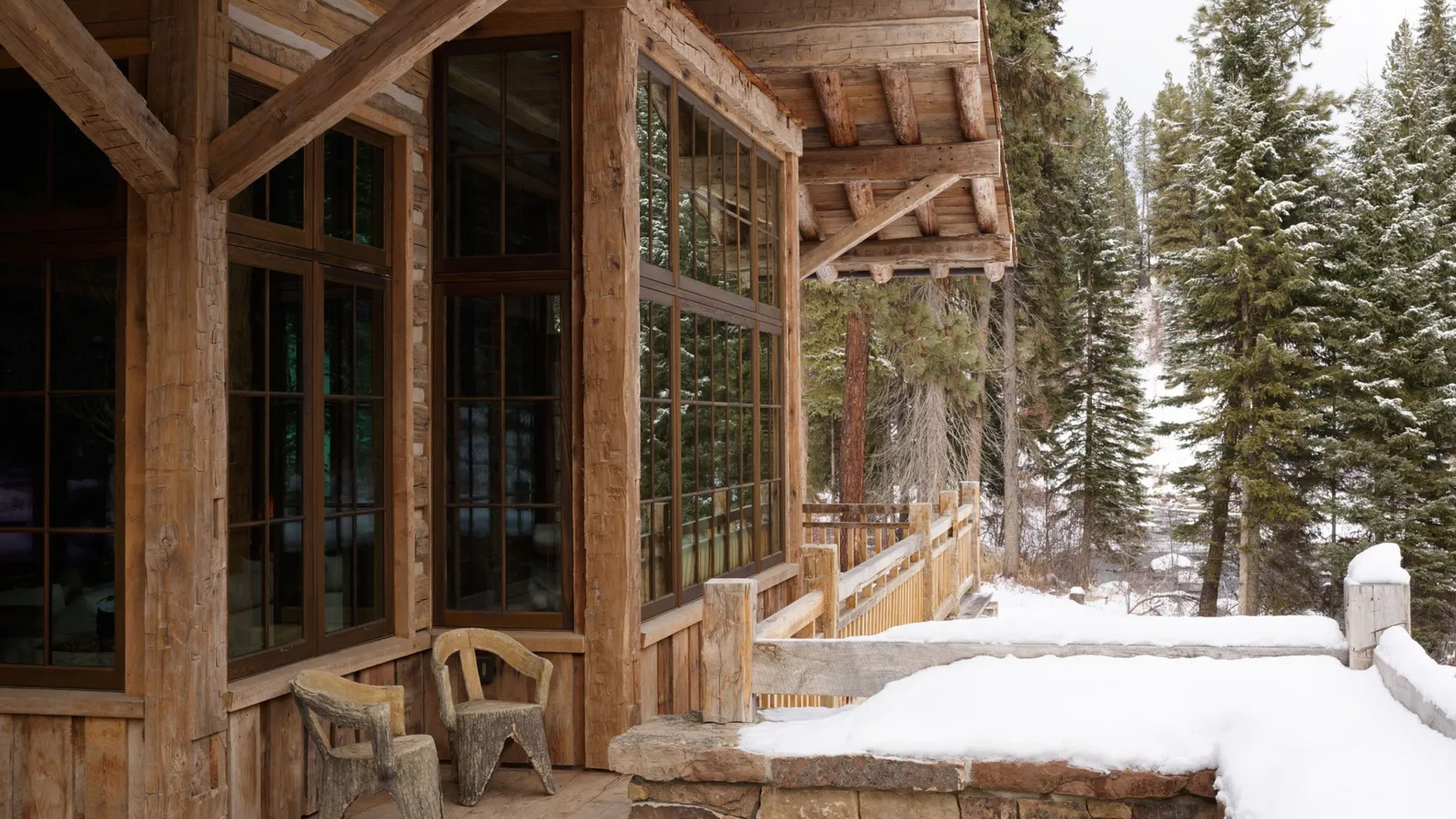 |
That’s something I always look for in rustic mountain design. I don’t want everything to look new, even when it is. I want the materials to have character. I want to see texture, imperfections, and finishes that feel as though they’ve developed naturally over time. It’s what gives these homes their soul.
The Fireplace That Defines the Entire House
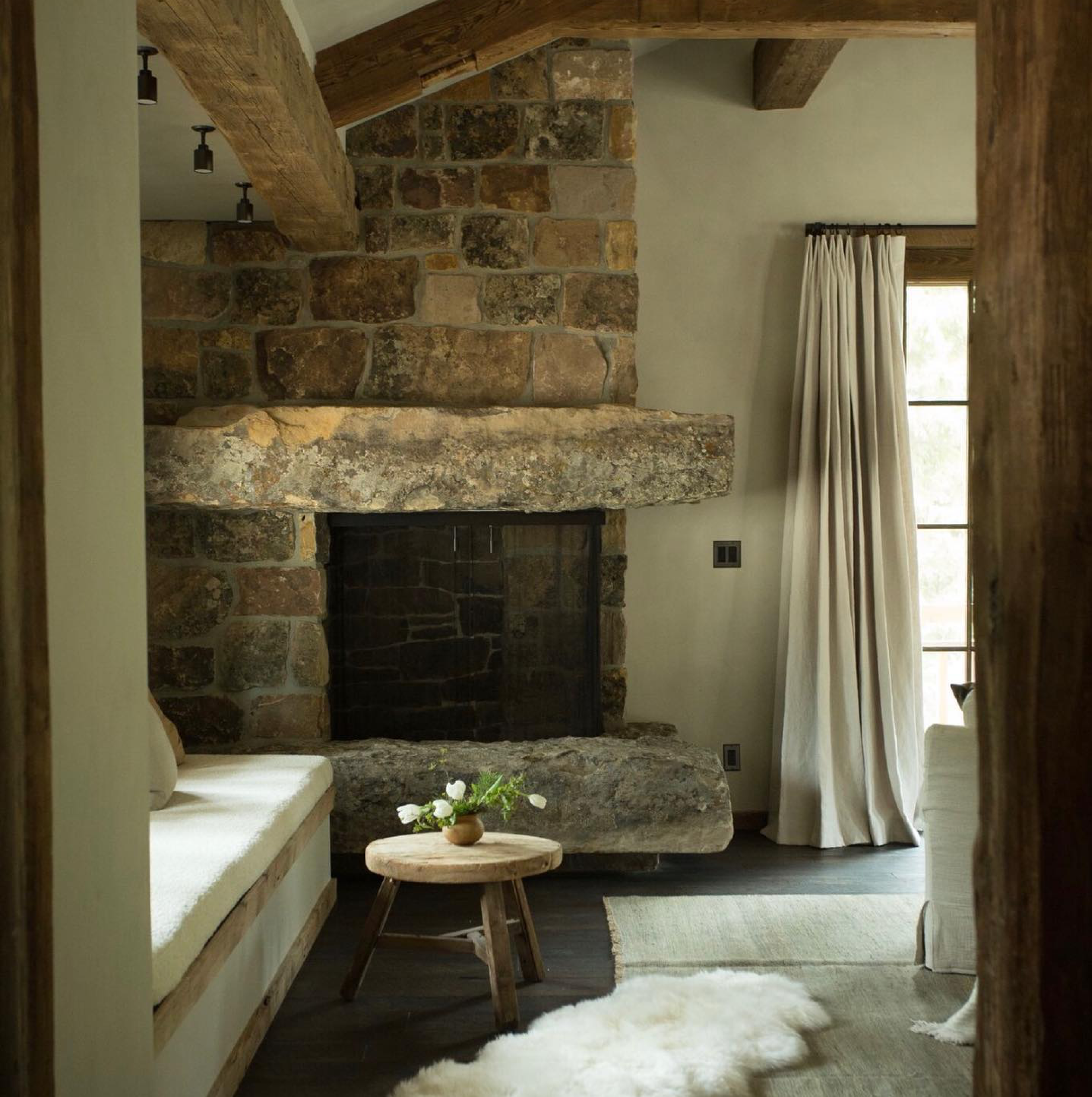
If there’s one feature I would point to in Aaron Paul’s home, it’s the fireplace. It’s incredible.
The living room hearth is made from a single piece of Montana moss rock weighing approximately 13 tons, according to Architectural Digest. I love that it’s one enormous piece of natural stone.
|
It doesn’t feel like a decorative feature that was added to the room. It feels like the entire house was built around it. That’s the power of using substantial natural materials.
In a rustic mountain home, I think the architecture should do a lot of the decorating. A beautiful stone fireplace, timbered ceilings, or walls with natural character can create more impact than filling a room with accessories.
The same moss rock appears throughout the house, which helps everything feel connected. If I were designing a home inspired by this one, I'd start with the fireplace. Not necessarily a 13-ton stone, of course, but a fireplace with enough character and presence to set the tone for the whole space.
Why Reclaimed Wood Makes Such a Difference
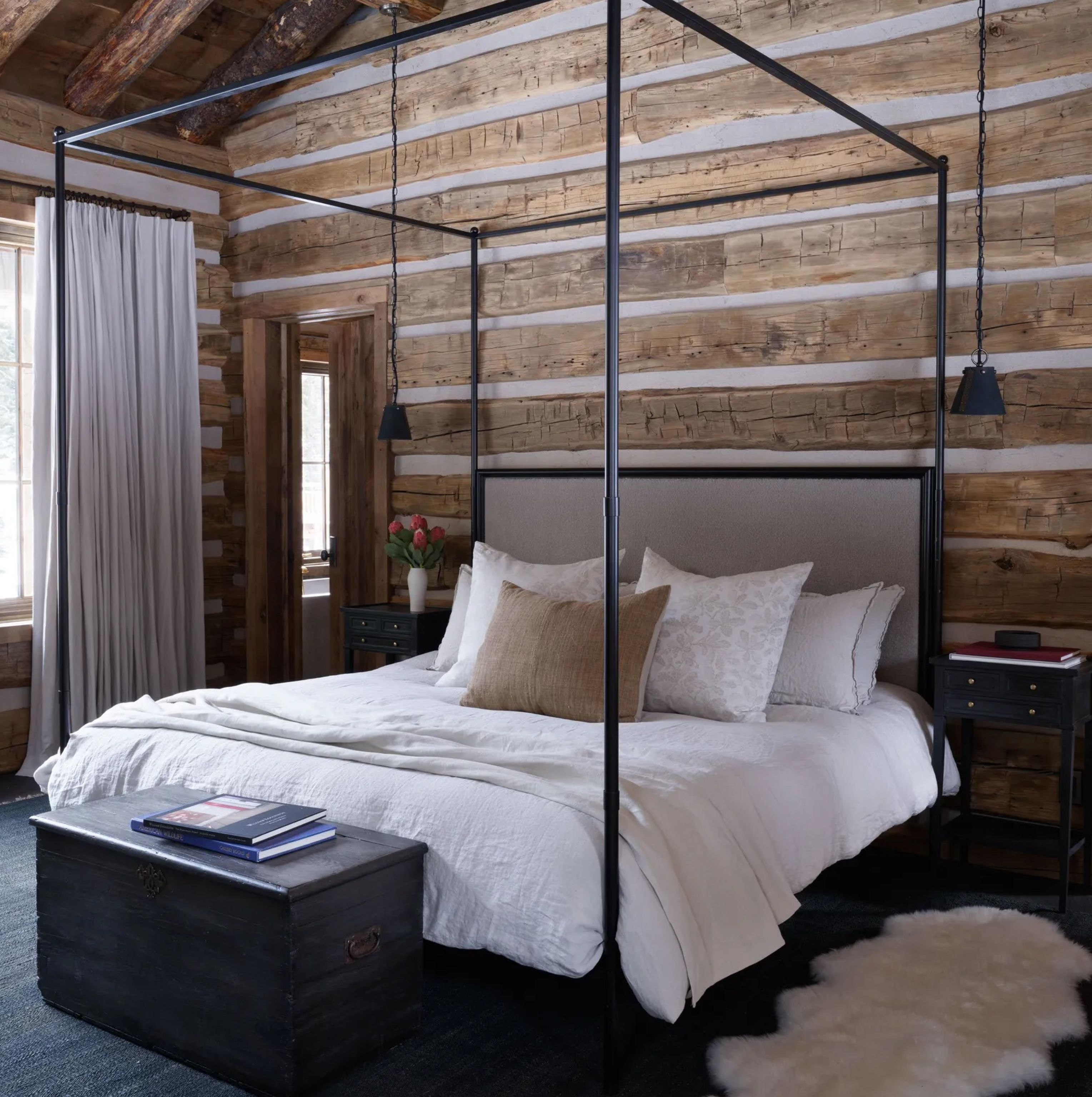
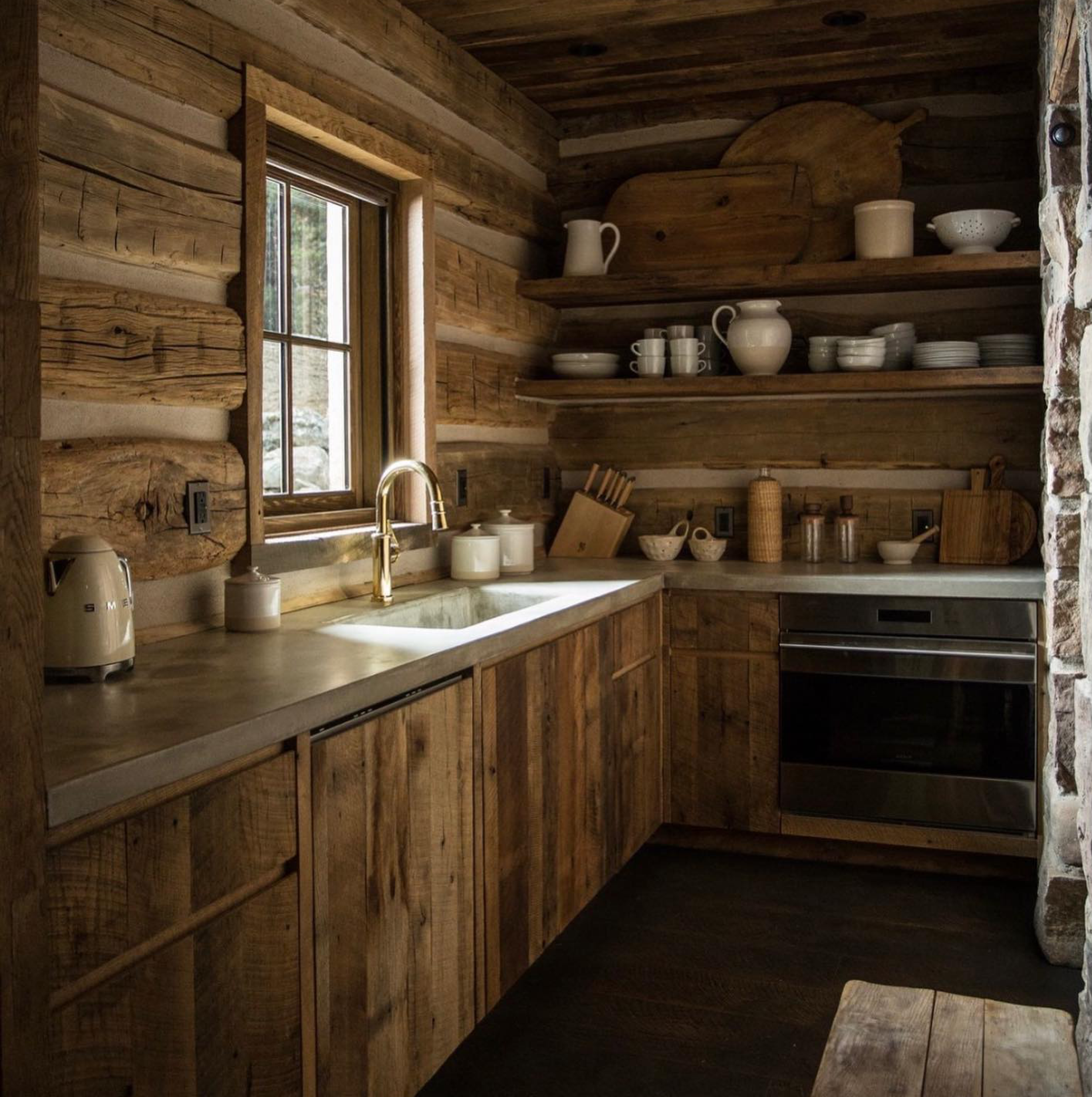
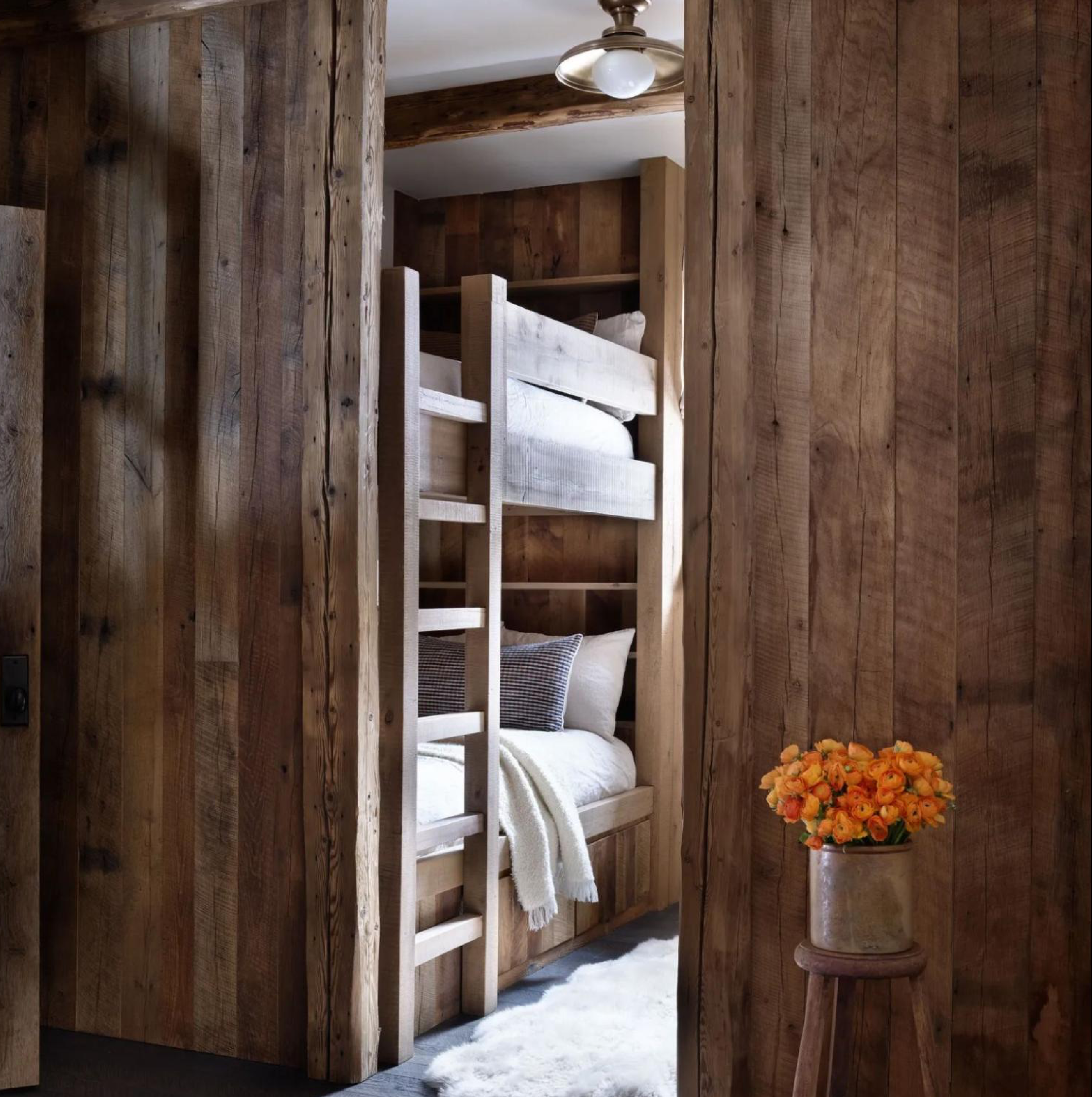
The wood throughout this house is just as beautiful as the stone. The living room rafters were made from reclaimed Wisconsin barnwood, and you can still see the original axe marks in the beams.
I love details like that. They give you a sense that the material had a life before it became part of the house. The reclaimed wood also appears in a guest bathroom vanity, and the sauna incorporates cedar recovered from a nearby lake.
 |  |
How Jake Arnold Made Rustic Feel Refined
One thing I admire most about Jake Arnold’s work in this house is his restraint. With so much wood, stone, and heavy architectural detailing, the interiors could have felt overwhelming. Instead, he brought in furniture with cleaner silhouettes, softer fabrics, and a more refined sensibility.
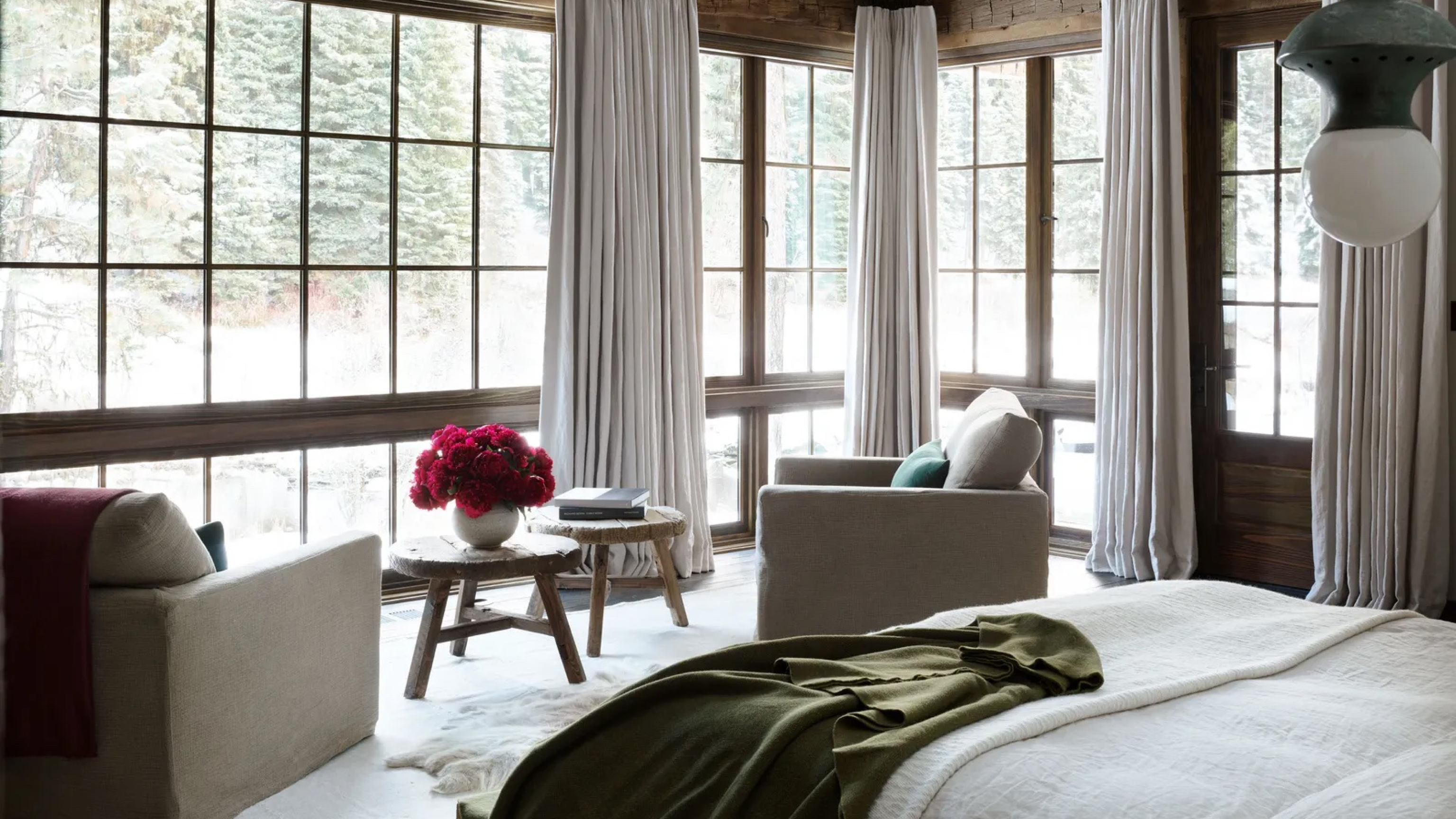 |
The seating is plush and inviting, but it doesn’t compete with the architecture. Linen, leather, sheepskin, and beautiful layered textiles soften the harder materials throughout the house. Despite all the texture, the rooms never feel cluttered.
I think that’s the secret to making this style work. When the architecture has so much character, you don’t need every piece of furniture to make a statement. A simple upholstered sofa can be beautiful against a rustic wood wall. A sheepskin rug can soften a stone floor. A clean-lined chair can provide just the right
The balance is what makes the room feel comfortable rather than overly themed.
Mixing Rough and Refined Materials
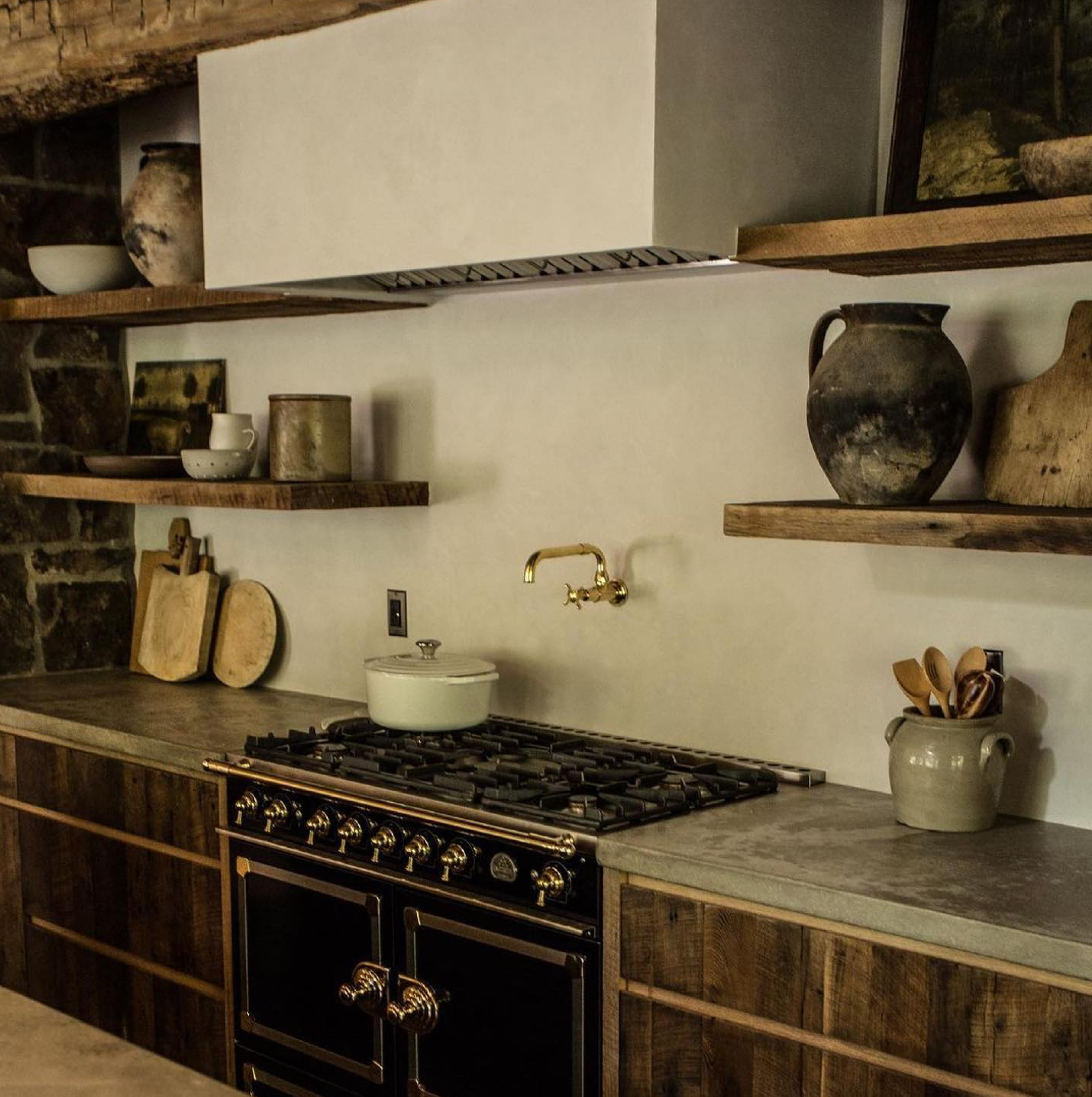
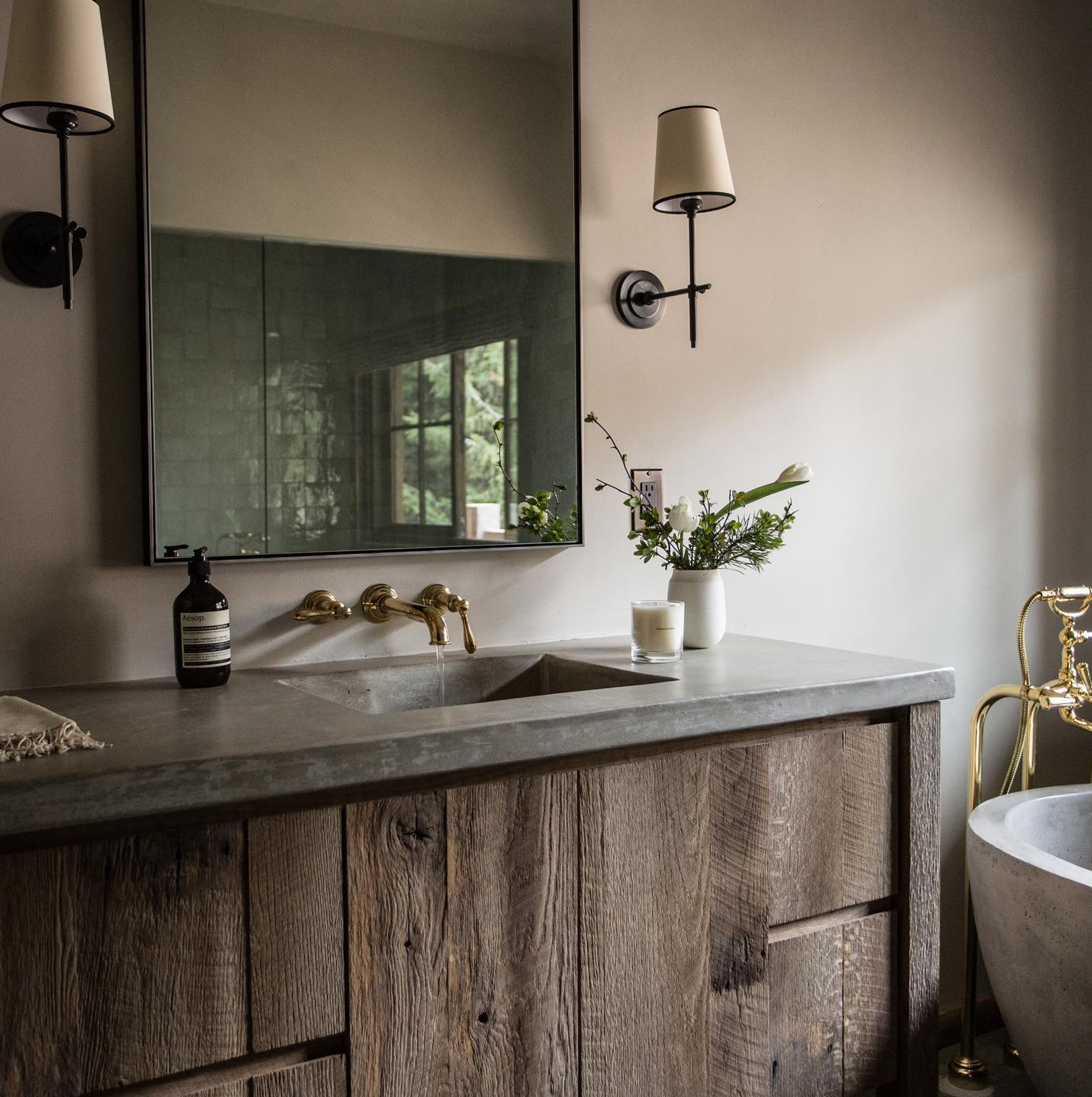
Another thing I love about this house is the contrast between materials. I’m especially drawn to flagstone paired with marble.
Flagstone has such a beautiful, irregular quality. It’s earthy, textured, and naturally imperfect. Marble brings something different. It can feel smoother, more refined, and a little more elegant. Putting those materials together creates a wonderful contrast.
I think that’s an important part of rustic mountain design. You don’t want every surface to have the same texture or finish. If everything is rough and rustic, a room can start to feel heavy. But when you introduce something smoother or more polished, it gives the eye a place to rest.
 |  |
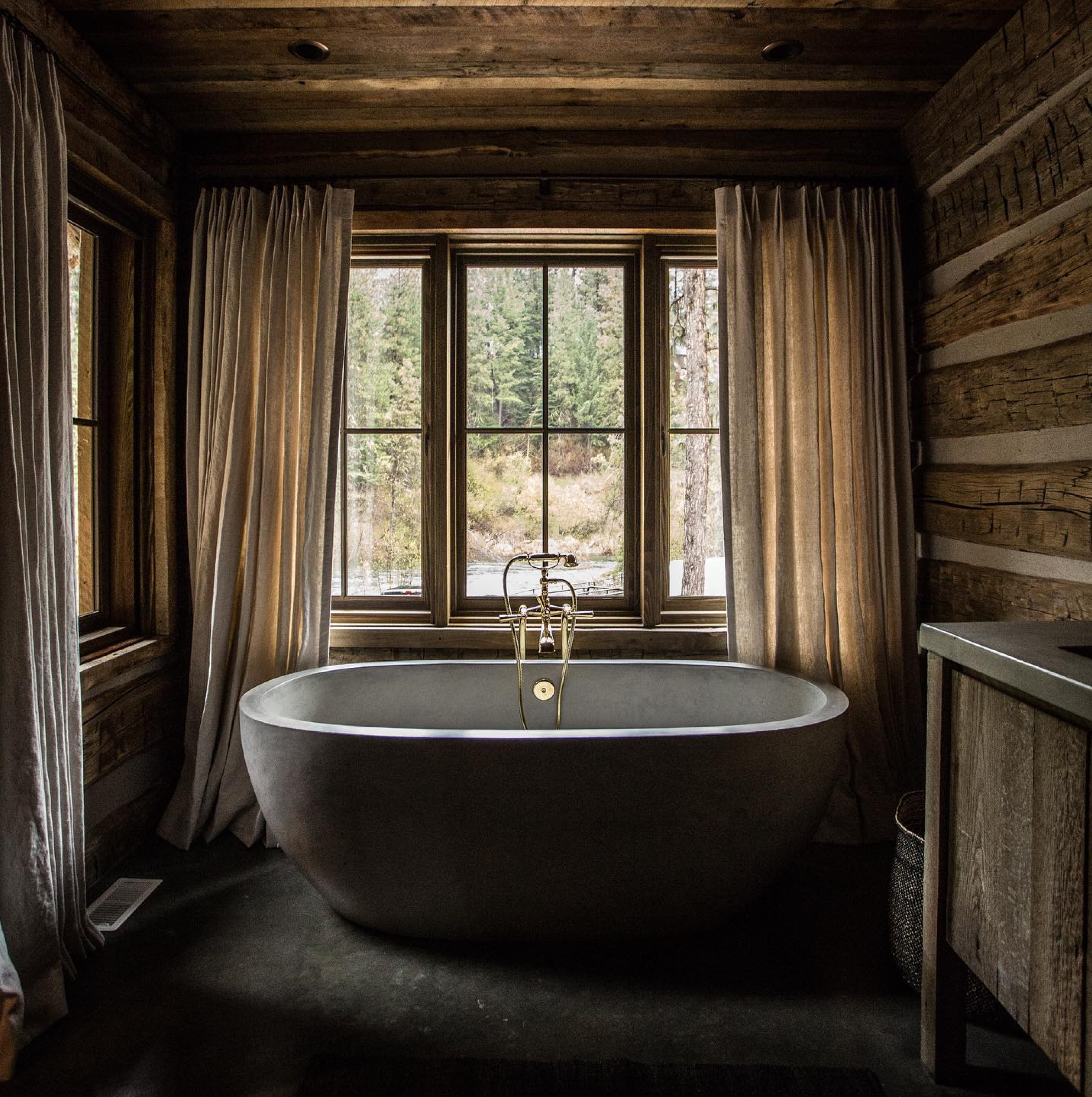
The same principle applies to metals. I love iron in this style, especially when it’s paired with oil-rubbed bronze, copper, or unlacquered brass. Those finishes have warmth and character, and they work beautifully alongside natural stone and wood.
 |
The goal isn’t to make everything match. It’s to create a mix of materials that feels collected and natural.
The Importance of Moody, Layered Lighting
Lighting plays such an important role in creating the atmosphere of a rustic mountain home.
 |  |
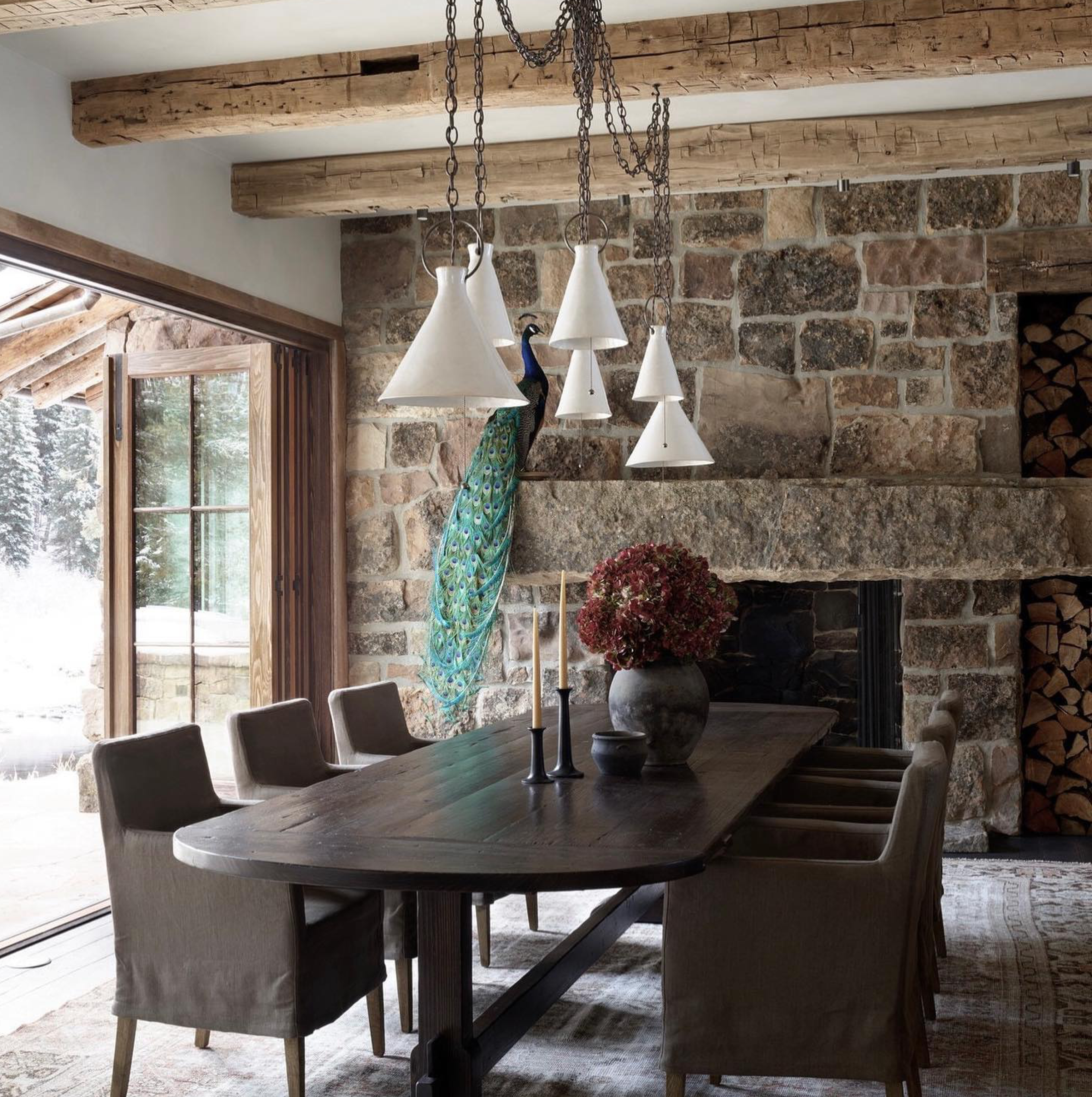
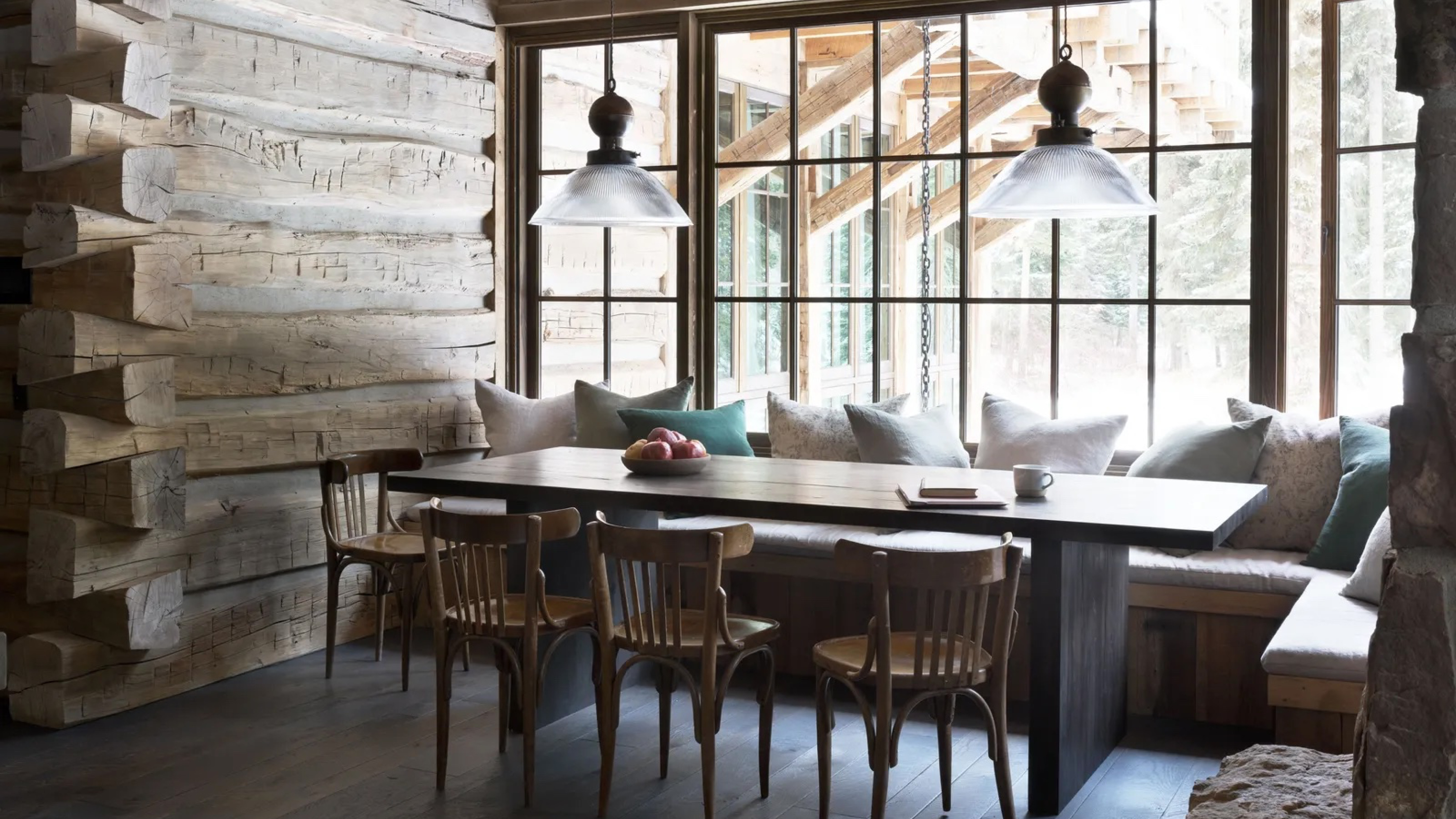
In Aaron Paul’s dining room, a substantial wooden trestle table sits beneath a grouping of ceramic pendants. I love the contrast between the table's weight and the lighting's sculptural quality.
Throughout the house, the lighting feels warm and intimate rather than overly bright. That’s exactly how I think a mountain retreat should feel.
When I picture this style, I think of a fire going, lamps glowing, and a room that makes you want to curl up on the sofa. It’s cozy, but not overly decorated. It’s the feeling that everything slows down a little when you walk through the door.
The downstairs lounge takes that mood even further, with wood paneling, amber lighting, a bar, and a billiards table. It has an almost old-world club atmosphere, which is an interesting contrast to the more open living spaces upstairs. But it still feels like part of the same home because the materials and overall
Rustic Mountain Is More Than a Decorating Style
I think one reason people are drawn to rustic mountain interiors right now is that they’re looking for more than a particular aesthetic; they’re looking for a feeling.
They want a home that feels removed from the busyness of everyday life, even if they’re not actually living in the mountains. That’s something you can take inspiration from, no matter where you live.
You don’t need a log cabin or a house in Jackson Hole to introduce some of these elements. Start with natural materials that have character. Bring in a beautiful piece of wood furniture, a textured rug, or a little leather. Mix in softer upholstery and warm lighting; don’t feel like every piece needs to look rustic.
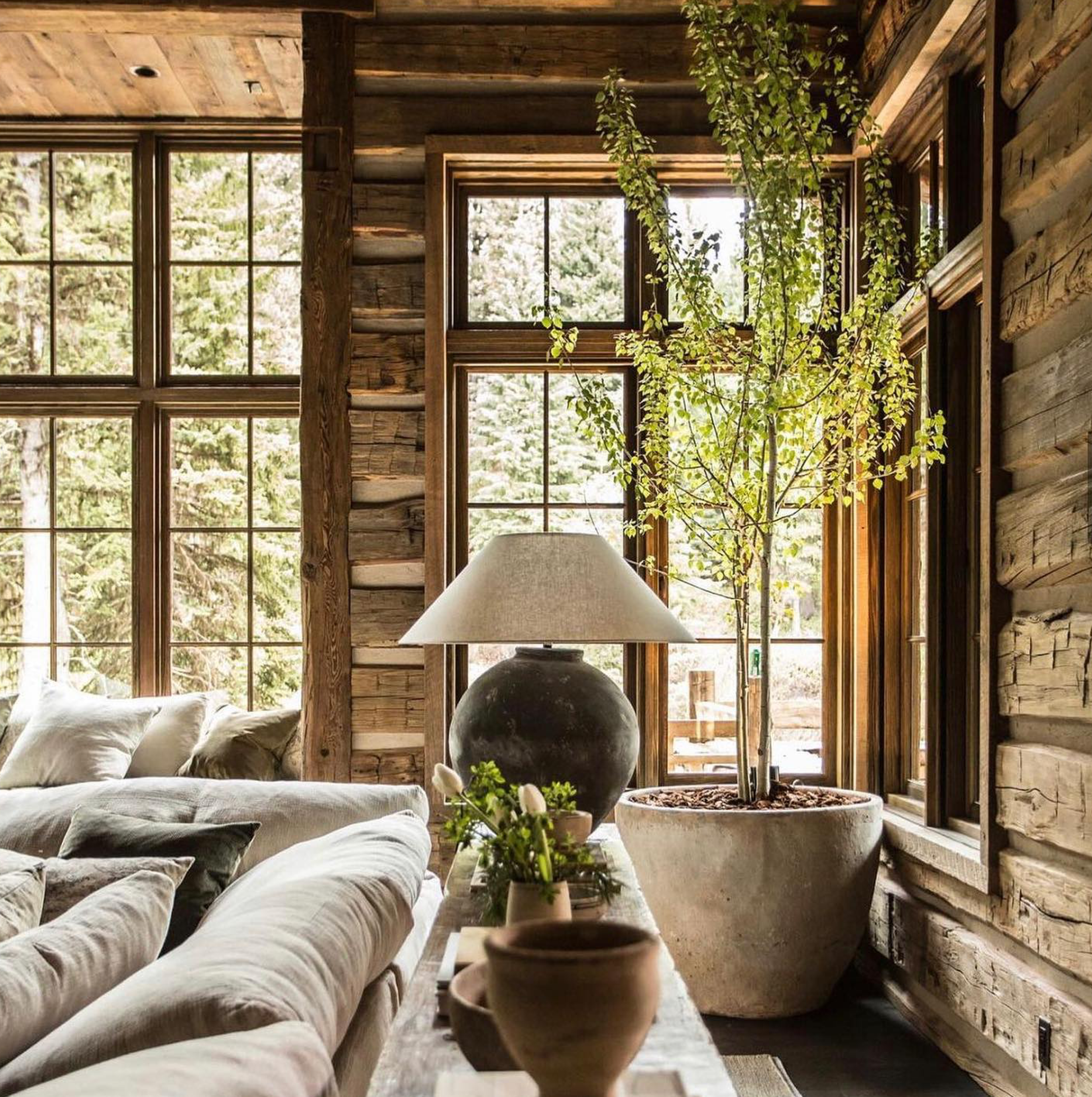 | 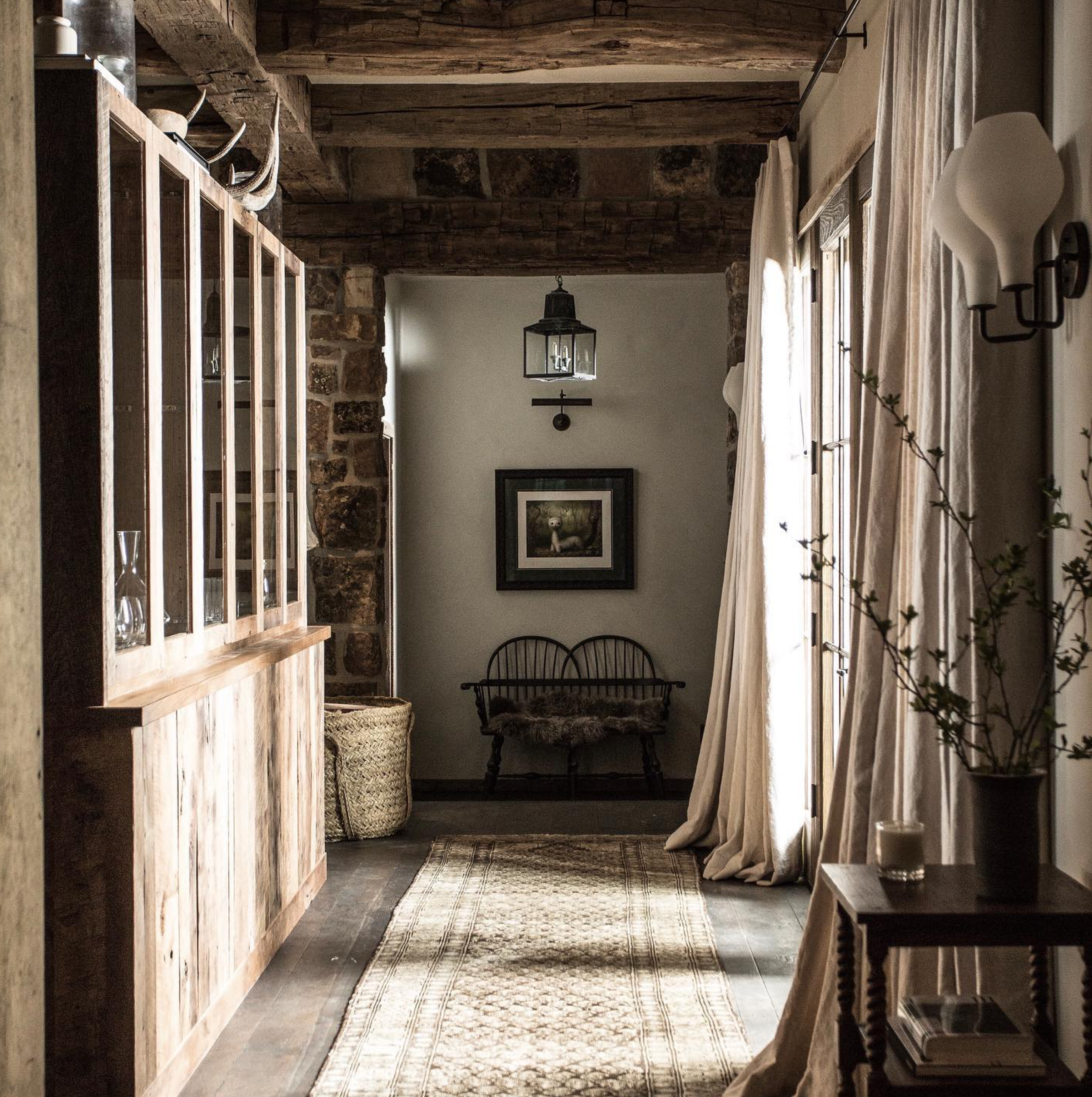 |
In fact, I think the most beautiful rooms balance the old and the new, the rough and the refined. That’s what Jake Arnold did so beautifully in Aaron Paul’s home.
Why I Keep Coming Back to This House
So many beautiful mountain homes exist, but this one has stayed with me.
Part of it is that incredible fireplace. Part of it is the reclaimed wood, the natural stone, and the sense of history in a house built from scratch; more than anything, it’s the restraint.
The architecture is strong, the materials have character, and the furniture is comfortable without competing for attention. It feels rustic without feeling heavy, refined without feeling formal, and beautifully designed without losing the warmth you want in a mountain retreat. That’s why it’s such a wonderful example of rustic mountain style.
It’s not about filling a home with antlers, hides, and cabin-inspired accessories. It’s about creating a place that feels grounded, collected, and genuinely comfortable.
A place where you can walk in, settle down, and feel like you’re exactly where you want to be.
Shop the Rustic Mountain Look
Bring the warmth and character of rustic mountain living into your home with natural materials, cozy upholstery, rich textures, and timeless accents with our inspired collection.
Love this look? Explore our inspired Rustic Mountain blog for more design inspiration and discover our curated collection of pieces that bring the warmth and character of mountain living into your own home.
What is rustic mountain interior design?
Rustic mountain interior design is a style inspired by traditional cabins and mountain lodges. It emphasizes natural stone, reclaimed wood, leather, layered textiles, warm metals, and rich, earthy colors. The goal is to create a home that feels comfortable, collected, and connected to nature.
What is the difference between rustic mountain and modern mountain style?
Rustic mountain interiors embrace history, texture, and a more traditional lodge atmosphere. They often feature heavy timber, natural stone, aged finishes, and warm, moody colors. Modern mountain homes typically have cleaner architectural lines, more contemporary furniture, and a brighter, more minimal aesthetic.
Who designed Aaron Paul’s Idaho home?
Pearson Design Group designed Aaron Paul’s Idaho home, known as Camp Pretty Bird, with interiors by Jake Arnold. Architectural Digest featured the home in 2020. Scout & Nimble was not involved in the project; it’s a home I admire and reference when discussing rustic mountain design.
What makes Aaron Paul’s Idaho home a good example of rustic mountain design?
The home combines log architecture, reclaimed timber, substantial natural stone, plush furniture, and layered textiles. Its most distinctive feature is a massive Montana moss rock fireplace, while Jake Arnold’s restrained interior design keeps the spaces feeling refined and comfortable rather than overly decorated.
How can I bring rustic mountain style into my home?
Start with natural materials such as wood, stone, leather, and textured fabrics. Choose furniture with simple silhouettes, add warm lighting, and incorporate pieces with character or patina. Balance rustic elements with softer, more refined finishes so the room feels collected rather than themed.
Comments
Comment or question? Leave it below.
Two sofas, two chairs, a pair of ottomans, and six tables that do not match. A walk through the first two rooms of the Scout House, and the reason behind every piece in them.
keep reading
Step inside Aaron Paul's Idaho cabin, designed by Pearson Design Group with interiors by Jake Arnold, and learn how to bring rustic mountain style home.
keep readingTour Smac Studio's Woollahra pied-à-terre: green granite, a checkerboard marble entry, two jewel-box bathrooms and a palette of olive and aubergine.
keep reading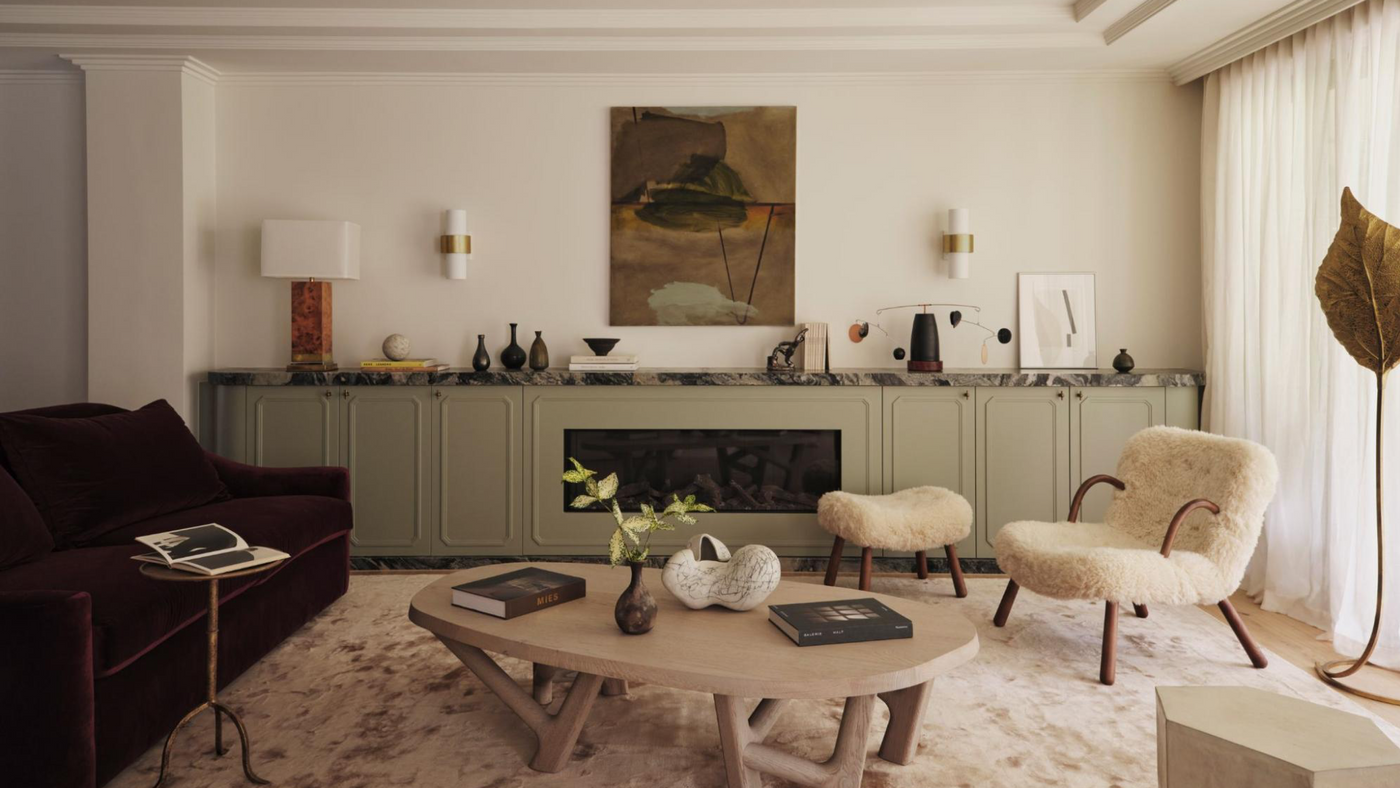
To measure a room for furniture, sketch it, measure each wall, window, hearth and outlet, then draw it to scale on graph paper so every piece you buy fits.
keep reading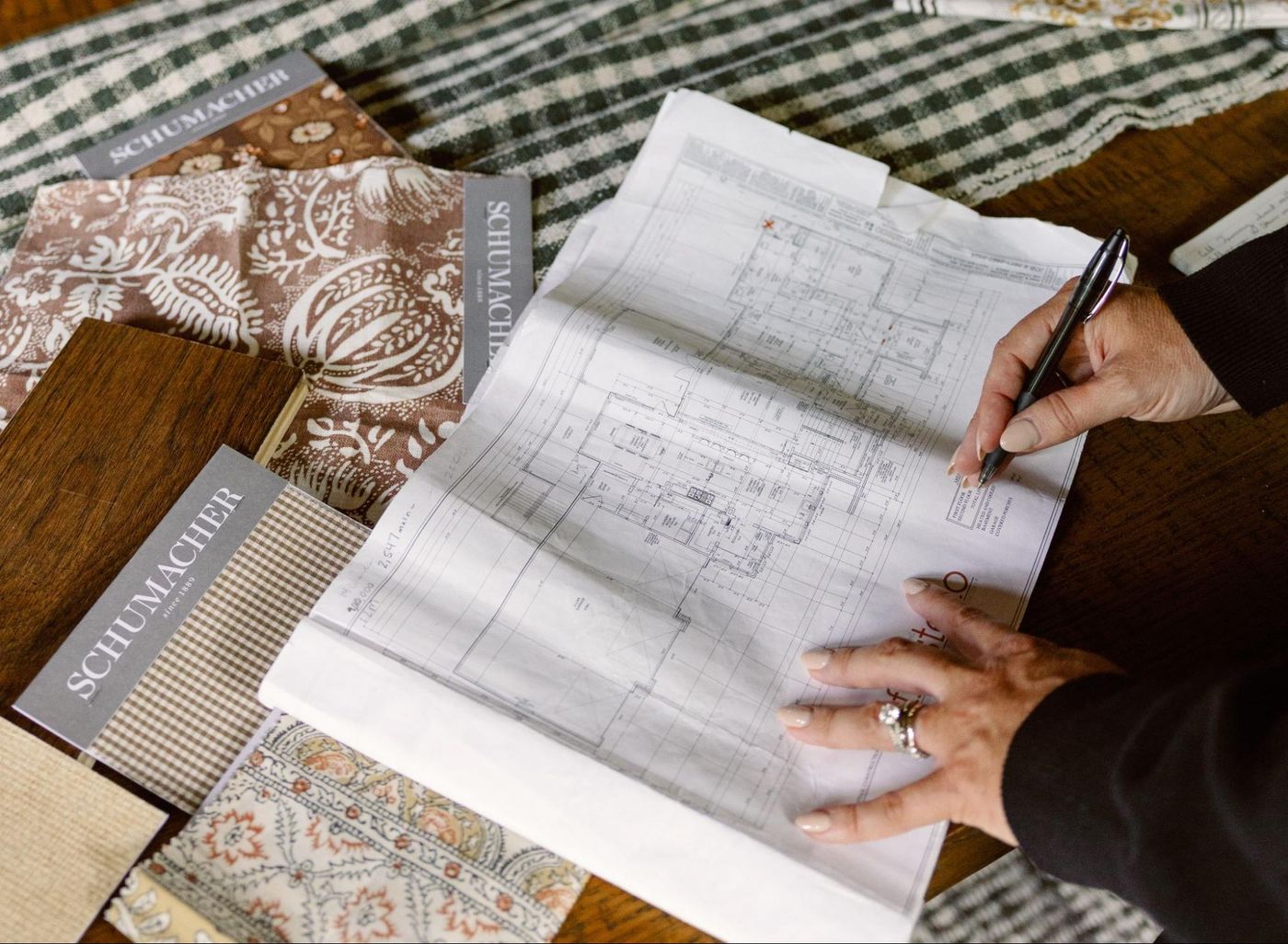
The 2027 interior design trends worth keeping, from burl and moiré to Western, and the one piece to start with to try each without redoing the room
keep reading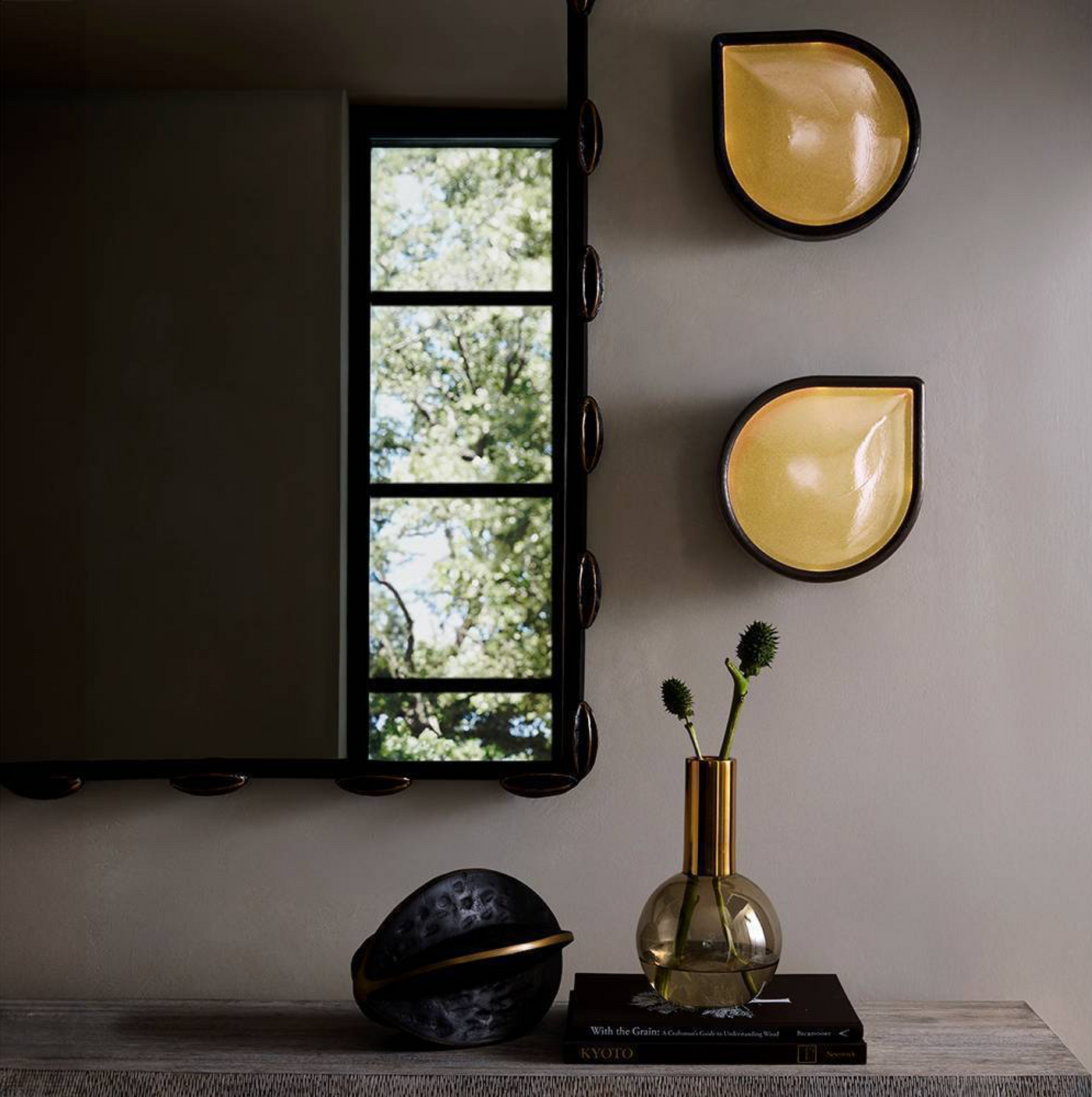
Two sofas, two chairs, a pair of ottomans, and six tables that do not match. A walk through the first two rooms of the Scout House, and the reason behind every piece in them.
keep readingStep inside Aaron Paul's Idaho cabin, designed by Pearson Design Group with interiors by Jake Arnold, and learn how to bring rustic mountain style home.
keep reading


