

How to choose and style a console table — heights, depths, where to place one, and a designer's styling formula. Shop console tables at Scout & Nimble.
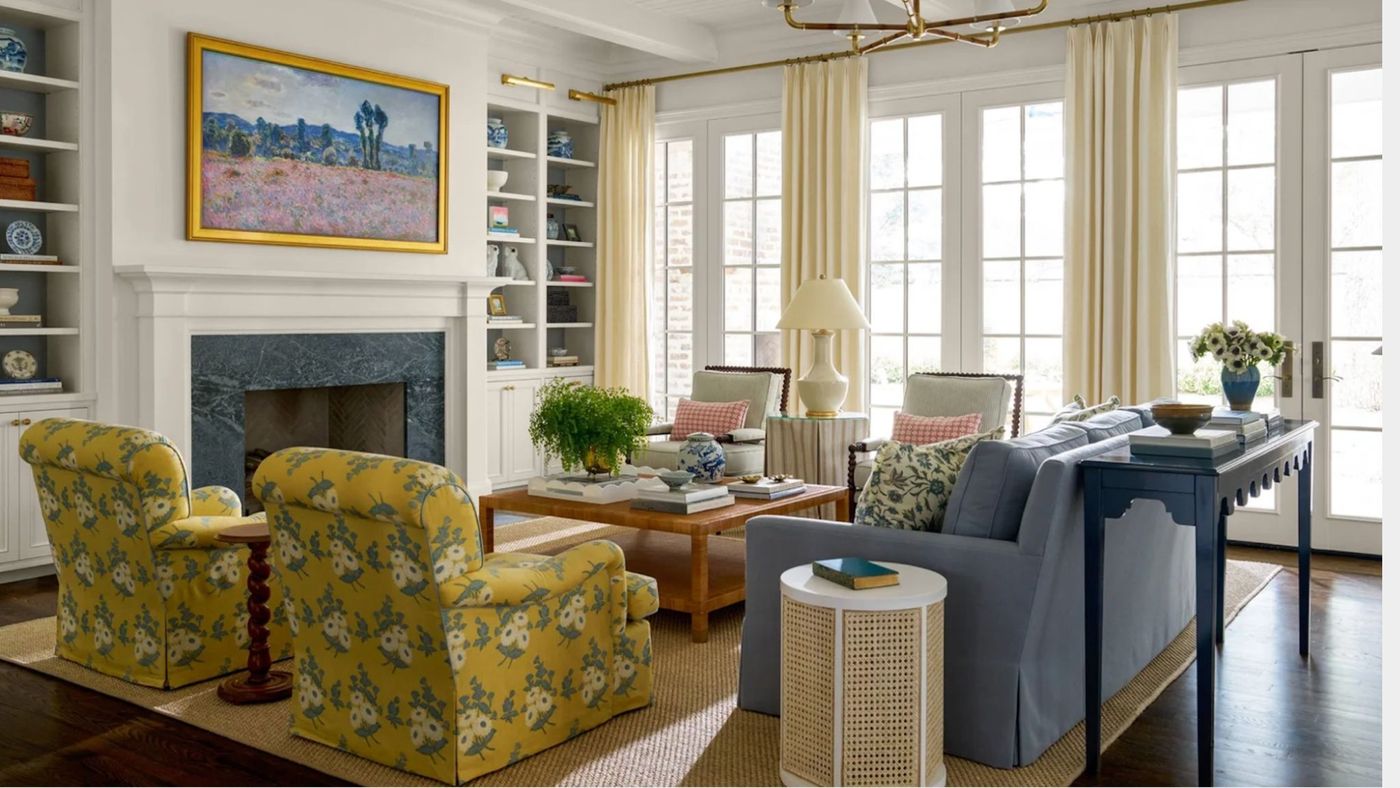
How to choose a console table that fits your space, and style it like you've been doing this for years. Here's how we break down choosing the right one for you: getting the size right, finding the style that fits your room, and knowing where to put it.
A console table is one of the hardest-working pieces in a home. Slim enough to fit where most furniture can't, it can anchor an entryway, define the space behind a sofa, or transform an empty hallway into something both functional and beautiful. The key is choosing the right size for the space: look for a table that's about 30–36 inches tall against a wall (or level with your sofa's back when placed behind a couch), 10–14 inches deep so it doesn't crowd the walkway, and roughly two-thirds the length of the wall or sofa it sits against. From there, thoughtful styling turns a simple table into a polished focal point: anchor the wall above it, layer objects of different heights, and leave a little breathing room.
Where a console earns its place
A console table is one of the few pieces that can add function without taking over a room. Its slim profile, typically just 16–20 inches deep, lets it tuck neatly against a wall or behind a sofa, creating a place to display décor, add lighting, or catch everyday essentials without sacrificing valuable floor space. That's why it works in places where most furniture simply can't.
Entryways and foyers.
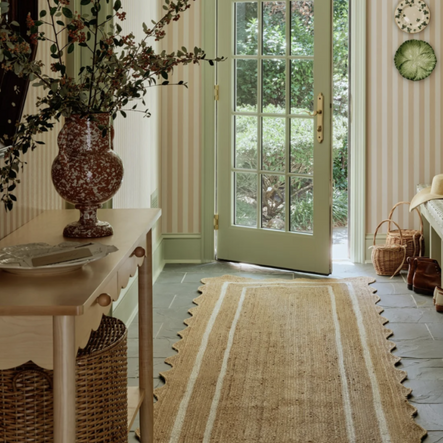
The classic spot for a console table. It creates a landing place for keys and mail, a home for a lamp, and the perfect foundation for a mirror or artwork. It's the first thing you see when you walk in and the last thing you pass on your way out.
Behind a sofa, also known as a sofa table.
Ideal for floating furniture in an open floor plan. A console fills the empty space behind the sofa, defines the seating area, and adds a place for lighting, books, or décor without taking up extra room. If the base is open with no crossbar, the space underneath earns its keep twice. Tuck a pair of small ottomans or poufs under it and you have extra seating for a crowd that disappears the rest of the time.
Hallways and long walls.
Turns an otherwise empty stretch of wall into something useful with a small styling vignette, extra storage, or a surface for lighting. An open base does real work here too. Ottomans tucked underneath give you a place to sit down and put your shoes on, which is the thing nearly every entry needs and almost none of them have.
Dining rooms.
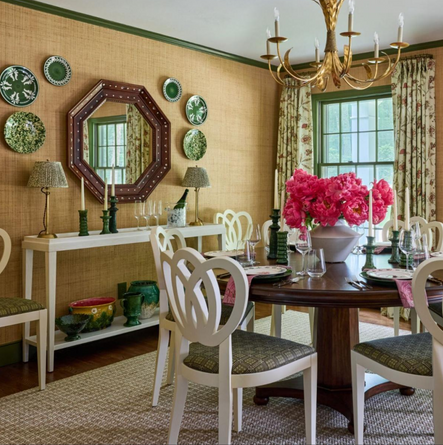
Functions like a slim sideboard when space is tight, providing a place for serving dishes, glassware, or a home bar without the footprint of a full buffet.
Living rooms
Adds display space for picture frames, storage, or a decorative focal point along an unused wall.
Choose the location first. Where the console will live determines its height, depth, and length, so we always decide on the location before we start shopping for the table.
Getting the size right (the part people get wrong)
Height is the number people miss most, and it's almost always because they bought the table before they knew the spot. Let the placement set it.
Height.
Entryway or against a wall: 30–36 inches is the sweet spot. That keeps the surface at a comfortable drop-your-keys height and leaves room for a mirror or art above.
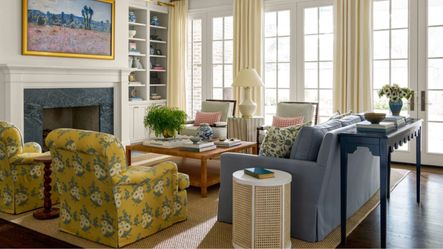
Behind a sofa: match the height of your sofa's back, or sit no more than an inch below it. A console that towers over the sofa back looks top-heavy; one that ducks well below it disappears.
Length.
For the best visual balance, a console should span about two-thirds of the wall or sofa it sits against, long enough to feel intentional and short enough to leave margins on each side. Behind a sofa, stop a few inches short of the sofa's length on each end so it reads as deliberate instead of crammed in.
Depth.
Keep entry and hallway consoles 12–16 inches deep so they don't narrow the walkway. You want at least 30–36 inches of clear path in front of one to move comfortably. Behind a sofa, you can go a little deeper (16–20 inches) since it's out of the traffic lane.
Console table sizing cheat-sheet
Open legs or real storage — how hard should it work?
Before you choose a finish or style, decide what you need your console table to do. The right design is about more than how it looks. It's about how you live. A beautiful table that doesn't support your daily routine quickly becomes a source of clutter instead of a design feature.
Open-leg consoles.
If you're decorating more than storing, an open console is hard to beat. The exposed legs keep the room feeling light and spacious, making them a great choice for smaller entryways, hallways, or anywhere you want an airy, decorative look. Just know they'll show everything, so they're best when your everyday clutter has somewhere else to go.
Consoles with drawers or shelves.
For most homes, this is the sweet spot. A drawer keeps keys, mail, chargers, and all the little things out of sight, while a lower shelf adds room for baskets, books, or décor. They strike the best balance between beauty and everyday function, especially in busy entryways and family homes.
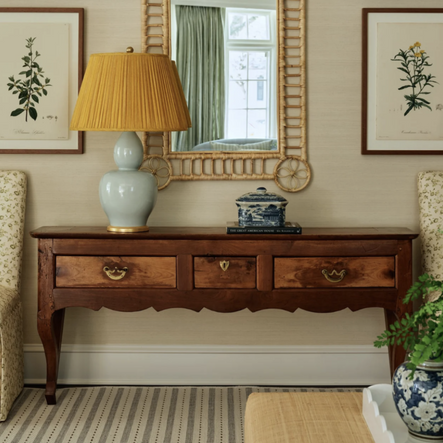
Cabinet consoles.
When storage is the priority, cabinet-front consoles offer the most flexibility. Closed doors conceal everything from serving pieces to electronics, making them just as useful in dining rooms and living spaces as they are in an entryway.
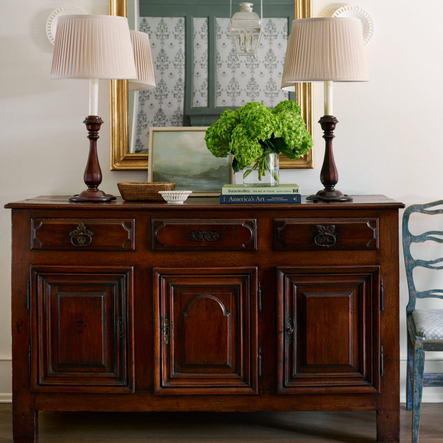
One tip I always recommend:
if the console is going in your entryway, choose one with at least a drawer. It only takes a few days for keys, mail, sunglasses, and receipts to turn a beautiful surface into a cluttered one. A little hidden storage goes a long way toward keeping your home looking intentional.
My designer tips to style a console table
A beautifully styled console isn't complicated. It comes down to a designer's approach to balance, proportion, and thoughtful layering.
1. Anchor the wall above it.
Start with what hangs over the table, because it sets the scale for everything else. Pick one of three anchors: a mirror (opens up an entry and bounces light; size it to about two-thirds the width of the console), a single large piece of art (calm and modern), or a gallery wall (more collected and casual; keep the arrangement within the width of the table). Leave 6–10 inches between the top of the console and the bottom of the art so the two read as a pair, not two unrelated things on a wall.


2. Frame the ends with height
Put a tall element on one or both ends to give the arrangement structure: a pair of lamps for symmetry, or a single lamp balanced by a tall vase or a stack of books for a looser, more modern feel. Lamps also make an entry or a sofa-back console useful after dark, which is half the point of having one.
3. Build a vignette in the middle.
We suggest grouping in odd numbers. Threes and fives read more naturally than pairs, and we like to vary the heights so your eye moves across the surface. When styling any surface, look for contrast: if everything's smooth, we add something rough. If it's all the same height, mix low and tall. If the lines are all hard, bring in a curve, but not all curves. A reliable mix is something tall (a vase or branches), something sculptural (an object or a small bowl), something horizontal (a stack of books or a low tray), and something living (a fresh or dried stem).
4. Corral the small stuff.
A tray or a decorative bowl gives keys, sunglasses, and mail a home and keeps the surface from reading as clutter. For a working entryway, we consider this non-negotiable.


5. Leave negative space.
Resist filling every inch. The empty surface is what makes the styled objects look intentional. If it feels busy, take one thing away. Then here's the trick designer’s use every single time and would tell anyone to steal: style it, take a photo on your phone, and look at the picture. Pictures don't lie. Your eye forgives a room you're standing in; the photo shows you the hierarchy and the flow honestly. We suggest styling a surface three ways, shoot each one, and let the photos tell you which one your eye actually likes. It's the closest thing to a designer standing next to you.
6. Mind what's underneath.
The floor below a console is part of the composition. A bench or a pair of stools tucked under adds function and a place to sit for shoes; a basket holds blankets; even a small stool adds a layer. In an entry, a runner or small rug grounds the whole thing.
One honest note on where people land short: it's almost never the furniture. It's that they stop one layer too early. They get the perfect pieces and then don't bring in enough personality, so you photograph it, and it's close, but it's a little flat. The fix is a few more of your things, arranged with contrast, and one thing taken away.


How to style a console table by location
Entryway:
Think function first. Pair a mirror with a table lamp to create a welcoming first impression, then add a tray for keys and everyday essentials. Finish the look with greenery, and tuck a basket or bench underneath for extra storage or seating.
Behind a sofa:
Keep the arrangement low and balanced. A pair of lamps adds symmetry and ambient light, while a tray and one sculptural object provide interest without blocking sightlines across the room.
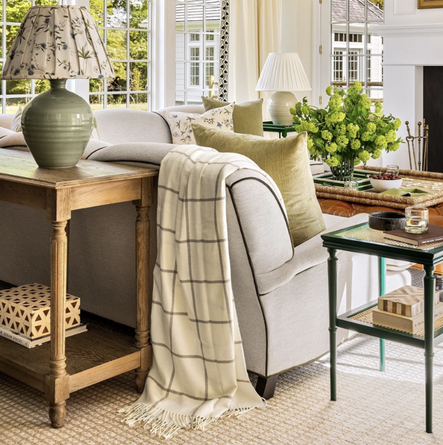
Hallway:
Less is more. A single piece of artwork, one lamp, and a small decorative vignette are usually all you need. Keep the console shallow and the styling minimal so the walkway feels open and uncluttered.
Dining / serving:
Treat the console like a serving station. A mirror or artwork above creates a focal point, while the surface stays relatively clear for entertaining. If you need additional concealed storage, complement it with a sideboard or buffet nearby.
The common mistakes that make a beautiful console look "off"
Choosing the wrong height behind a sofa.
A console that's taller than the sofa back immediately feels top-heavy. Aim for a table that's level with the back of the sofa or no more than an inch lower for a balanced look.
Over-styling the surface.
A collection of small accessories quickly turns into visual clutter. Choose a few pieces with varying heights and textures, then leave enough negative space for each one to stand out.
Hanging artwork too high.
A mirror or piece of art should feel connected to the console, not like it's floating on its own. Leave about 6–10 inches between the tabletop and the bottom of the frame to visually tie them together.
Ignoring the floor.
The space below the table is part of the design. A bench, woven baskets, or a pair of stools adds another layer while making the arrangement feel complete.
No function.
A console should work as well as it looks. In an entryway especially, features like a drawer, shelf, or tray keep everyday essentials organized and prevent the surface from becoming a catch-all.
Choosing a Console That Fits Your Style
The best console table doesn't have to match every piece in the room, but it should feel like it belongs. Look for finishes, materials, and details that echo the style you've already established so the space feels collected rather than decorated.
Modern / contemporary:
Look for clean lines, slim silhouettes, and materials like marble, glass, or metal. Keep the styling restrained: a sculptural object, a stack of books, and a single piece of artwork are often all you need.
Organic modern:
Natural materials define this look. Travertine, raw wood, cane, and concrete
Traditional:
Carved details, turned legs, rich wood finishes, and classic proportions create a timeless feel. Complete the look with a centered mirror, matching lamps, and a balanced arrangement.
Farmhouse / rustic:
Choose reclaimed wood, visible grain, and sturdy construction that celebrates natural character. Layer in greenery, woven textures, and vintage-inspired accessories for a welcoming, lived-in look.
French country:
Graceful curves, cabriole legs, distressed finishes, and antique-inspired hardware define this style. Pair the console with soft lighting, natural linens, and understated accessories for an elegant, relaxed aesthetic. See the modern French country collection for the full look.
How a console fits with the rest of your room
A console table shouldn't feel like an afterthought. It should feel like it belongs. The easiest way to achieve that is by repeating elements already in the space. Echo a wood tone, metal finish, or stone surface from your coffee table, side tables, lighting, or hardware so the room feels connected rather than perfectly matched.
Think about the console as part of the room's furniture family. If your coffee table has a substantial reclaimed-wood top, your console can carry that same warmth without being an exact match. If your side tables feature black metal bases, repeating that finish on the console creates continuity. Behind a sofa, the console should feel proportional to the seating: long enough to anchor it and visually balanced with the coffee table in front. Each piece should complement the others without competing for attention.
Designers think about balance from every angle. In a living room, the coffee table anchors the center of the seating area while the console provides visual weight behind it. Side tables frame the sofa, and lighting helps connect each piece into one cohesive arrangement. When every surface relates through material, scale, or shape, the room feels collected instead of coordinated.
One final tip: don't think of your console as a stand-alone piece. It's part of a conversation with the furniture, lighting, artwork, and accessories around it. When those elements share materials, proportions, and a similar design language, the room naturally feels layered, balanced, and complete.
When you're ready to find the right one, explore our collection of designer console tables in reclaimed wood, marble, cane, concrete, metal, and more.
Frequently asked questions
What is the standard height of a console table?
Most console tables are 30–36 inches tall, which suits entryways and hallways. When you place one behind a sofa, match the height of the sofa's back instead. Aim to sit level with it, or no more than an inch below.
How deep should a console table be?
Keep entry and hallway consoles 10–14 inches deep so they don't crowd the walkway, and leave at least 30–36 inches of clear path in front. Behind a sofa, 14–18 inches is the sweet spot. A console you actually serve from can go deeper, 16–22 inches, as long as the room can give up the floor space. Platters, a drinks tray, and a stack of plates need the extra depth to sit without hanging off the front edge.
How long should a console table be?
Aim for about two-thirds the length of the wall or sofa it sits against. Behind a sofa, stop a few inches short of the sofa's length on each end so it looks intentional rather than crammed.
Can a console table go behind a couch?
Yes, that's a "sofa table," one of the most popular uses. Match the console's height to the sofa back and style it with low lamps and objects that won't block sightlines across the room.
How do you style a console table?
Anchor the wall above it with a mirror or art, frame the ends with lamps or tall objects, and build a vignette in the middle using odd-numbered groupings at varied heights. Add a tray for the small stuff, leave some negative space, and photograph it to check the balance before you call it done.
What is the difference between a console table and a sideboard?
A console table is tall and shallow (10–16 inches deep) for entryways, hallways, and behind sofas. A sideboard is lower and deeper with more enclosed storage, made for dining rooms and serving.
Comments
Comment or question? Leave it below.
Jesse put True Caliber refrigeration in the Scout House and color matched the cabinets to it. Why she showed the appliance instead of hiding it.
keep reading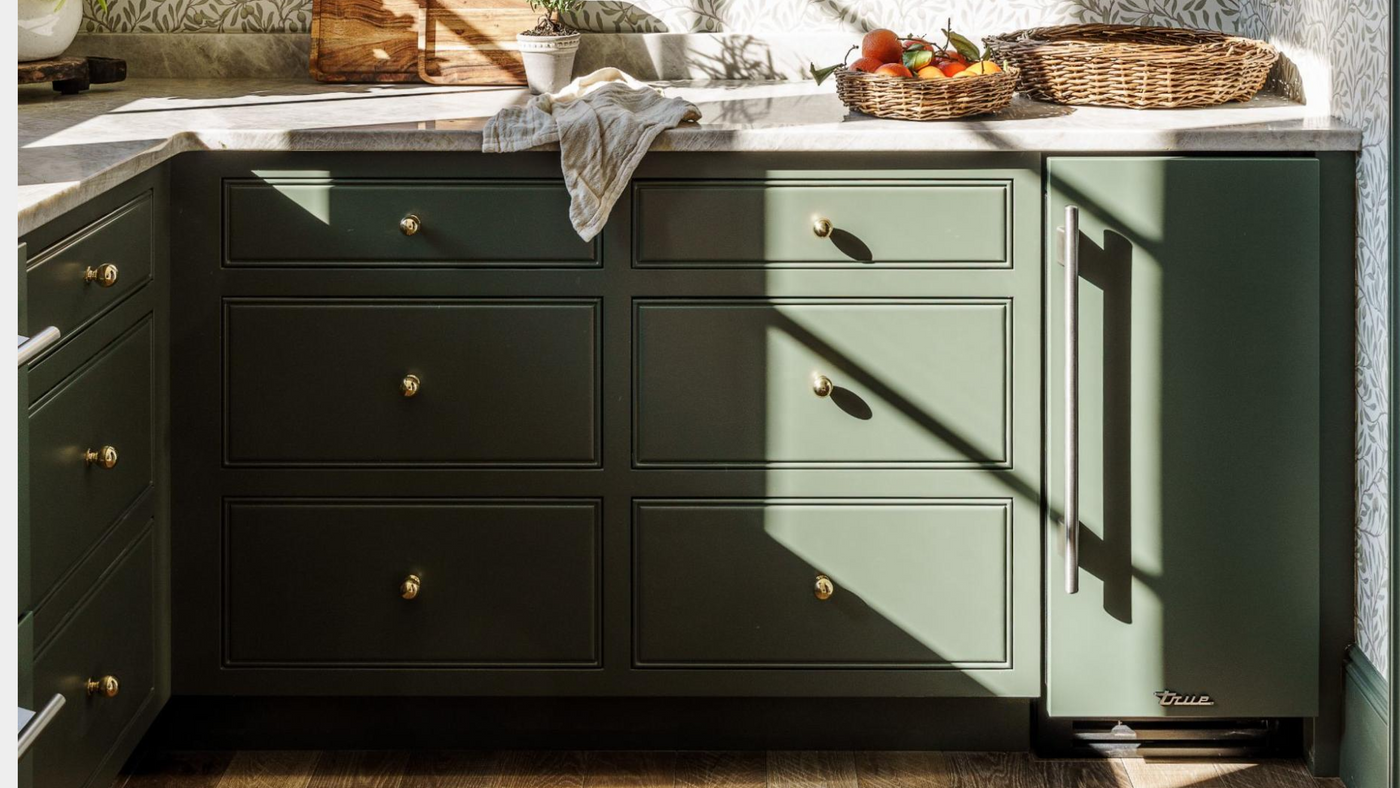
Choosing a dining chair starts with the people sitting in it. Here’s how I think about fabric, comfort, and everyday life before deciding what belongs around the table.
keep reading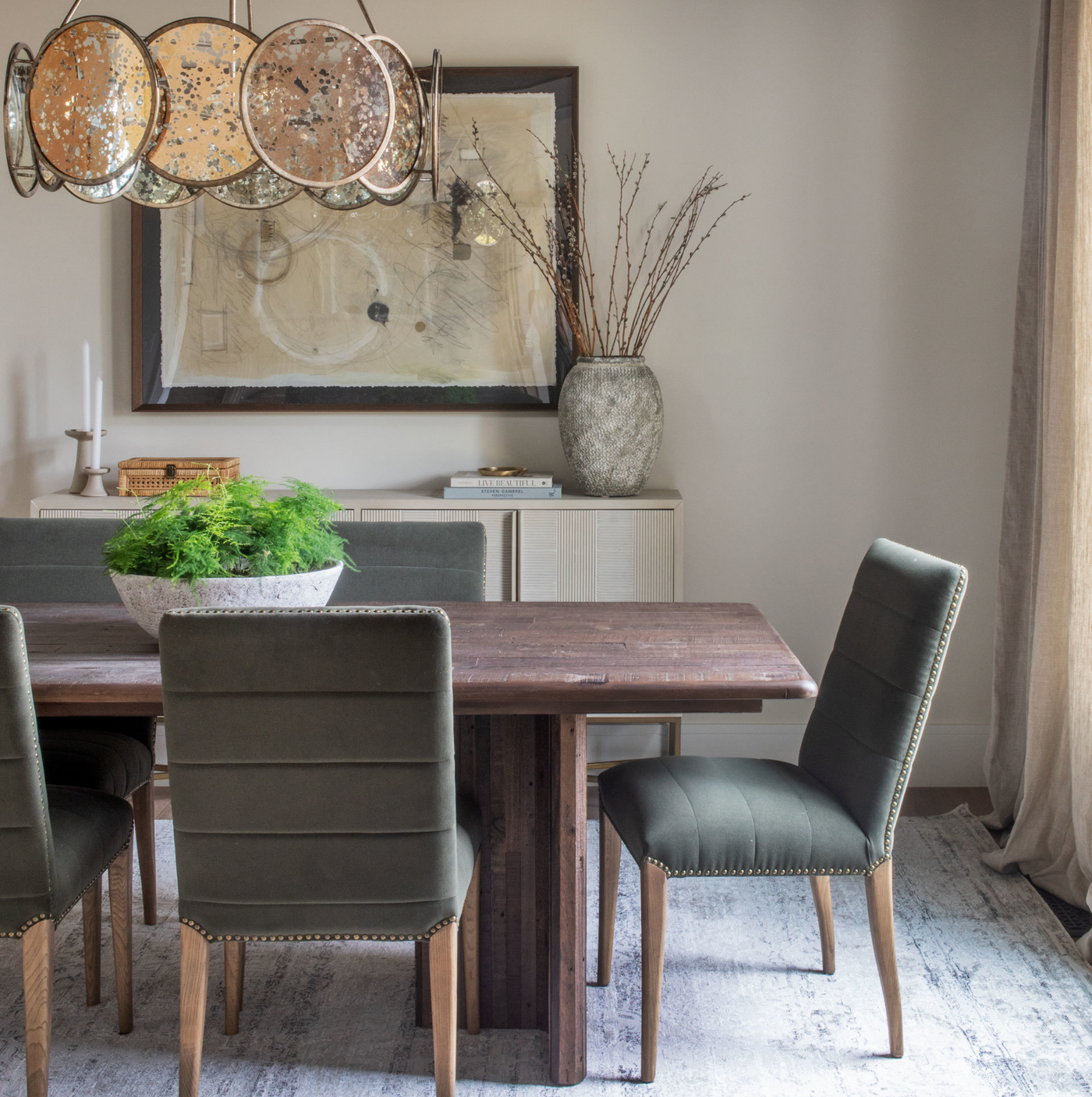
Solid or engineered is a subfloor question, not a taste question. Jesse on the Scout House floors, and the 5 inch plank width she would pick again.
keep reading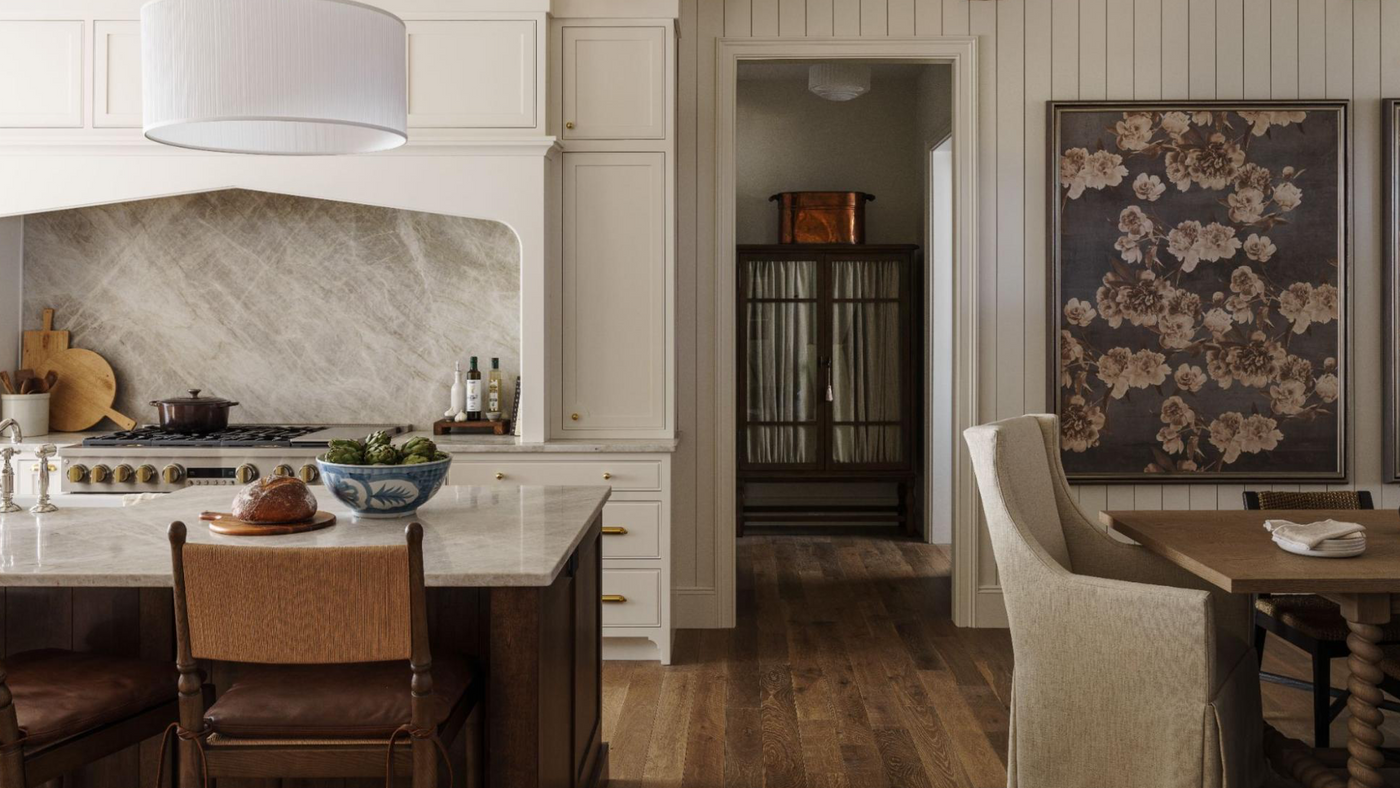
Designer Jennifer Hunter built a Greek Revival in Connecticut and gave every room a starting point. Inside her pattern-filled Litchfield County home.
keep reading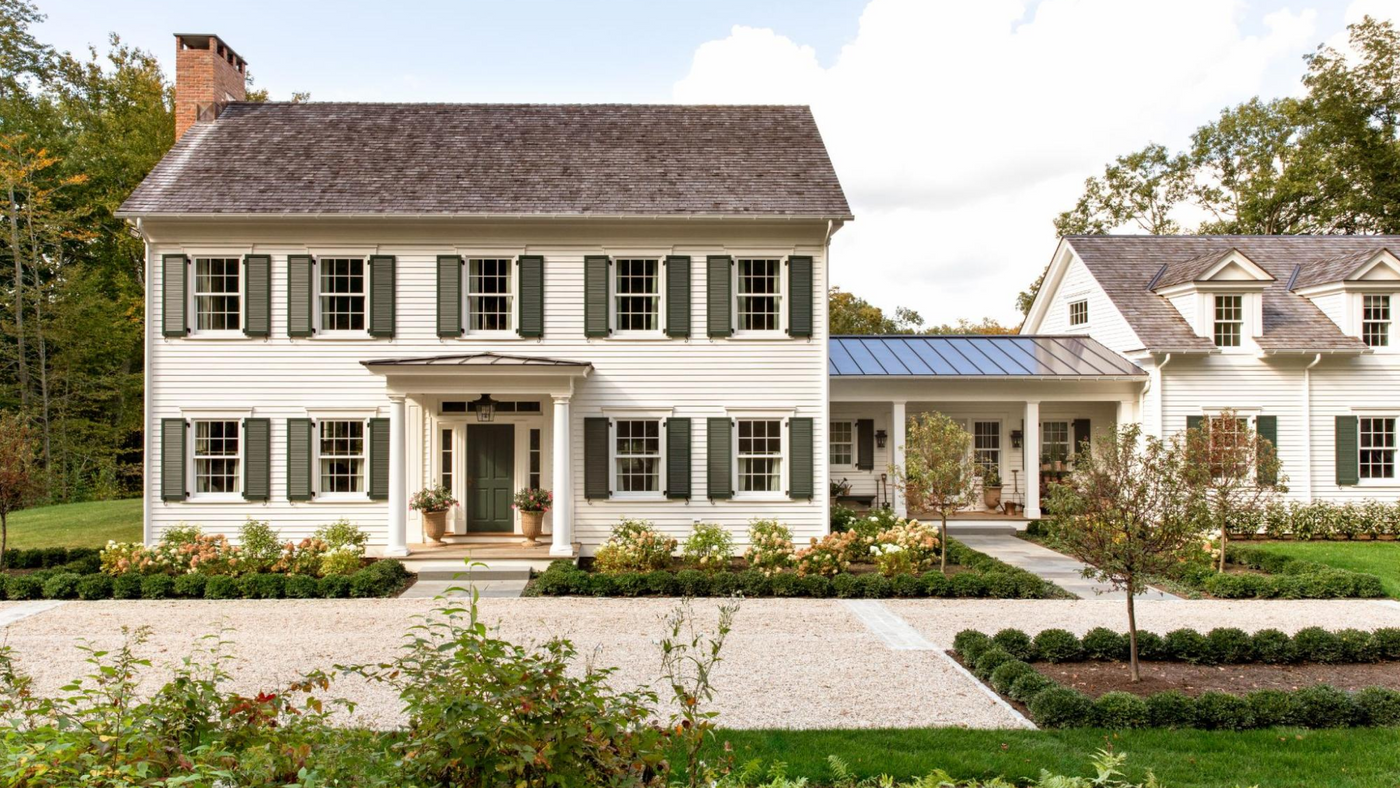
Gabby furniture, seen in six rooms of the Scout House. Jesse breaks down every piece she chose, what the quality buys you, and where to start.
keep reading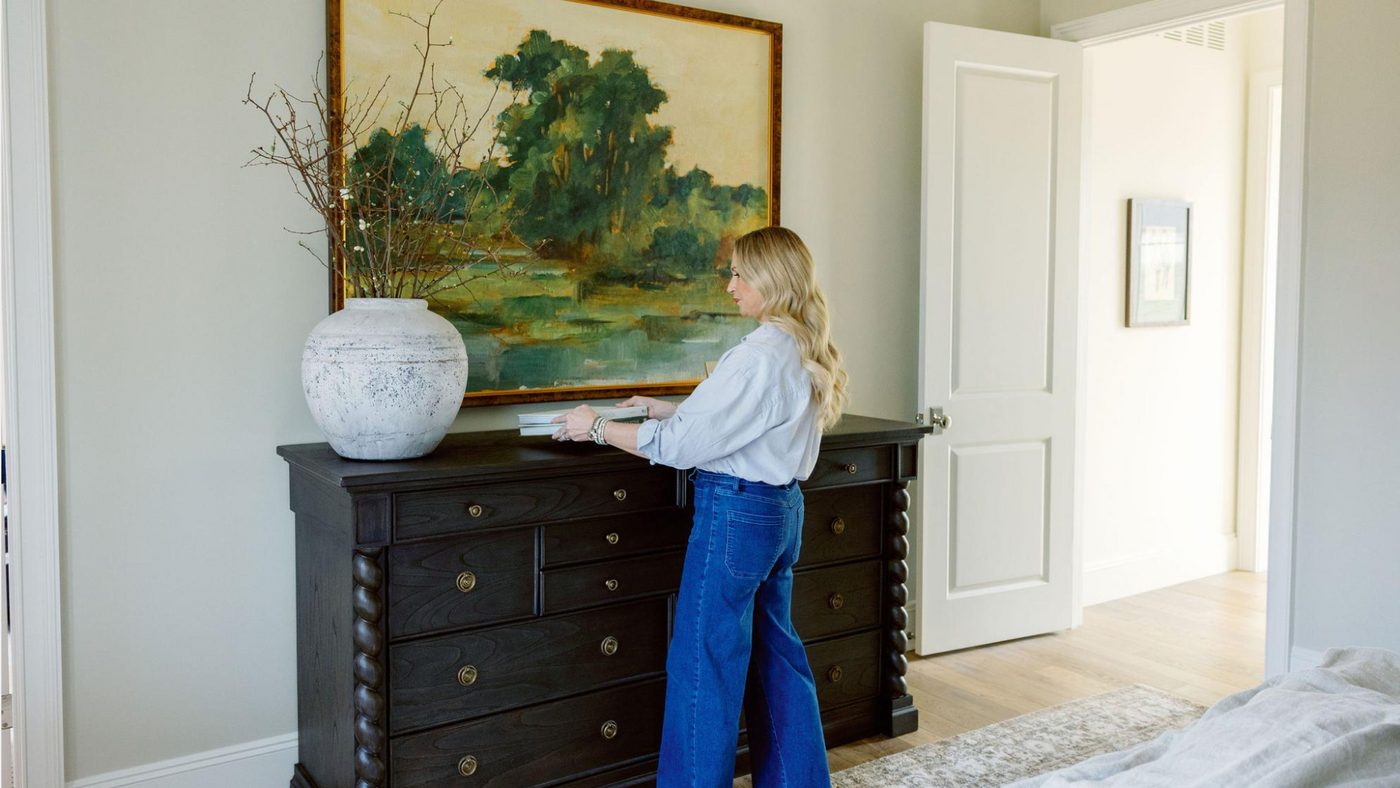
Jesse put True Caliber refrigeration in the Scout House and color matched the cabinets to it. Why she showed the appliance instead of hiding it.
keep readingChoosing a dining chair starts with the people sitting in it. Here’s how I think about fabric, comfort, and everyday life before deciding what belongs around the table.
keep reading


