

Three completely different purchases go by the same name. Here's how I sort them, and what I'd buy for each.
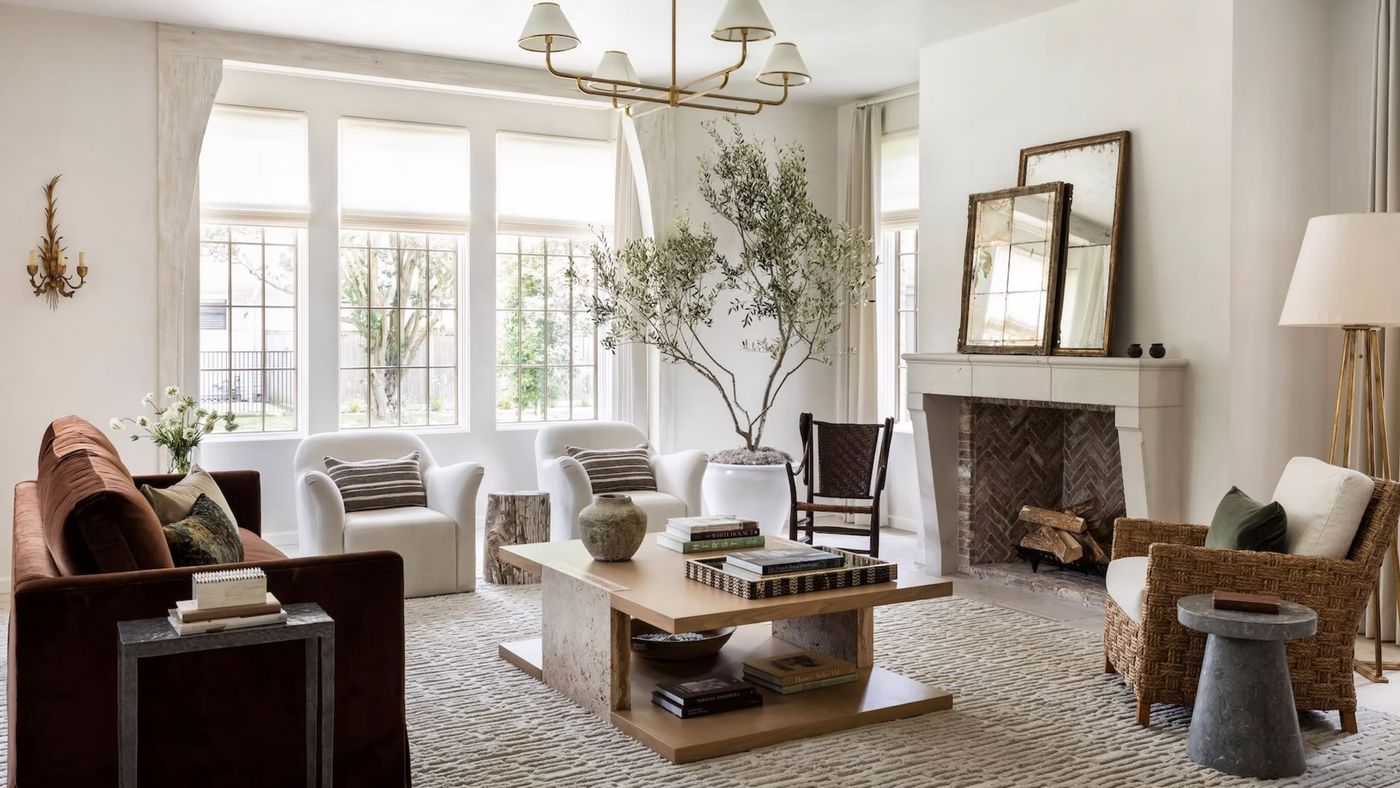
Accent chairs are one of those things we tend to lump into one category, but I don't really think about them that way when I'm designing a room. The chair you choose for a living room where people actually gather and get comfortable has a completely different job than the chair tucked into the end of a hallway or pulled up to a desk. And neither of those is the same as the chair you put in a bedroom because you want a place to sit at the end of the day that isn't your bed.
To me, those are three different purchases.
The first is real seating that's part of the living room plan. It needs to work with the sofa and the other chairs, but it also needs to work for the way people actually use that room. The second is about a smaller footprint: an awkward corner, the end of a hallway, or a desk where sometimes the chair is there to be used and sometimes it's simply there to create a pretty moment. The third is about comfort. It's the bedroom chair or reading chair that should be good enough that you actually want to sit in it.
Where people get into trouble is choosing the chair before deciding what they need it to do. I've seen beautiful statement chairs end up in rooms where the kids are supposed to lounge, oversized chairs squeezed into corners that were never big enough for them, and decorative chairs called reading chairs even though nobody would ever want to sit in them long enough to finish a chapter.
None of those are bad chairs. They're just chairs bought for the wrong job.
So before I think about fabric, color, swivel or silhouette, I start with a much simpler question: What are people actually going to do in this chair?
Once you know that, choosing the right one gets a whole lot easier.
Start with what people will actually do in the chair
For a living room chair, I always start with how the room is actually used. Is this where everyone ends up at the end of the day to watch a movie? Are kids climbing into the chairs with a blanket? Or is it more of a sitting room, where people gather and talk but aren't necessarily settling in for hours? Those rooms ask very different things from a chair.
If it's a room where people really lounge, comfort has to lead. I want something upholstered with a substantial, comfortable arm and enough depth that you can actually settle into it. In a more formal sitting room, I have a little more freedom. That's where I might choose a chair with an interesting arm or a more sculptural shape because it doesn't have to do the same kind of heavy lifting.
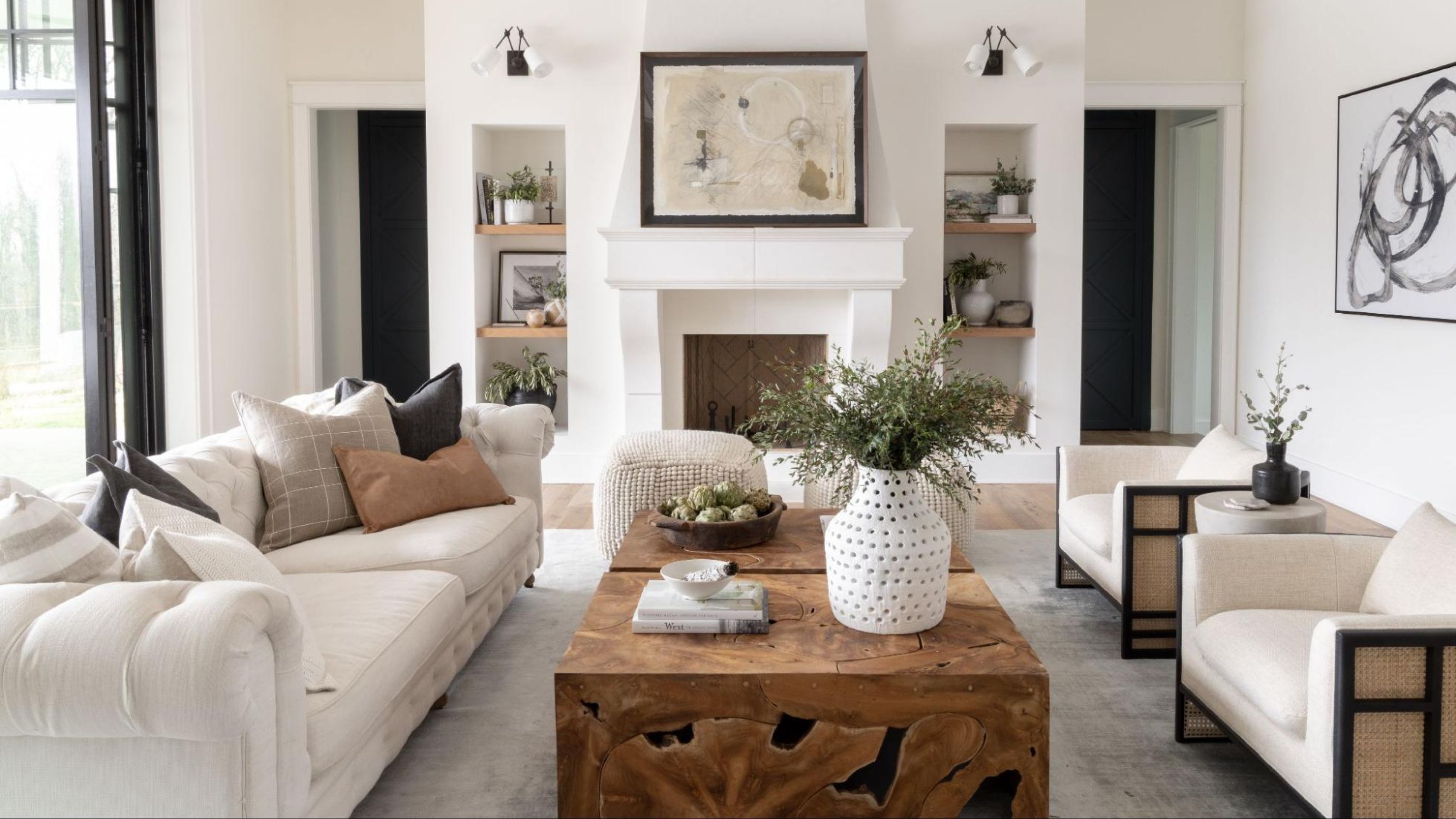
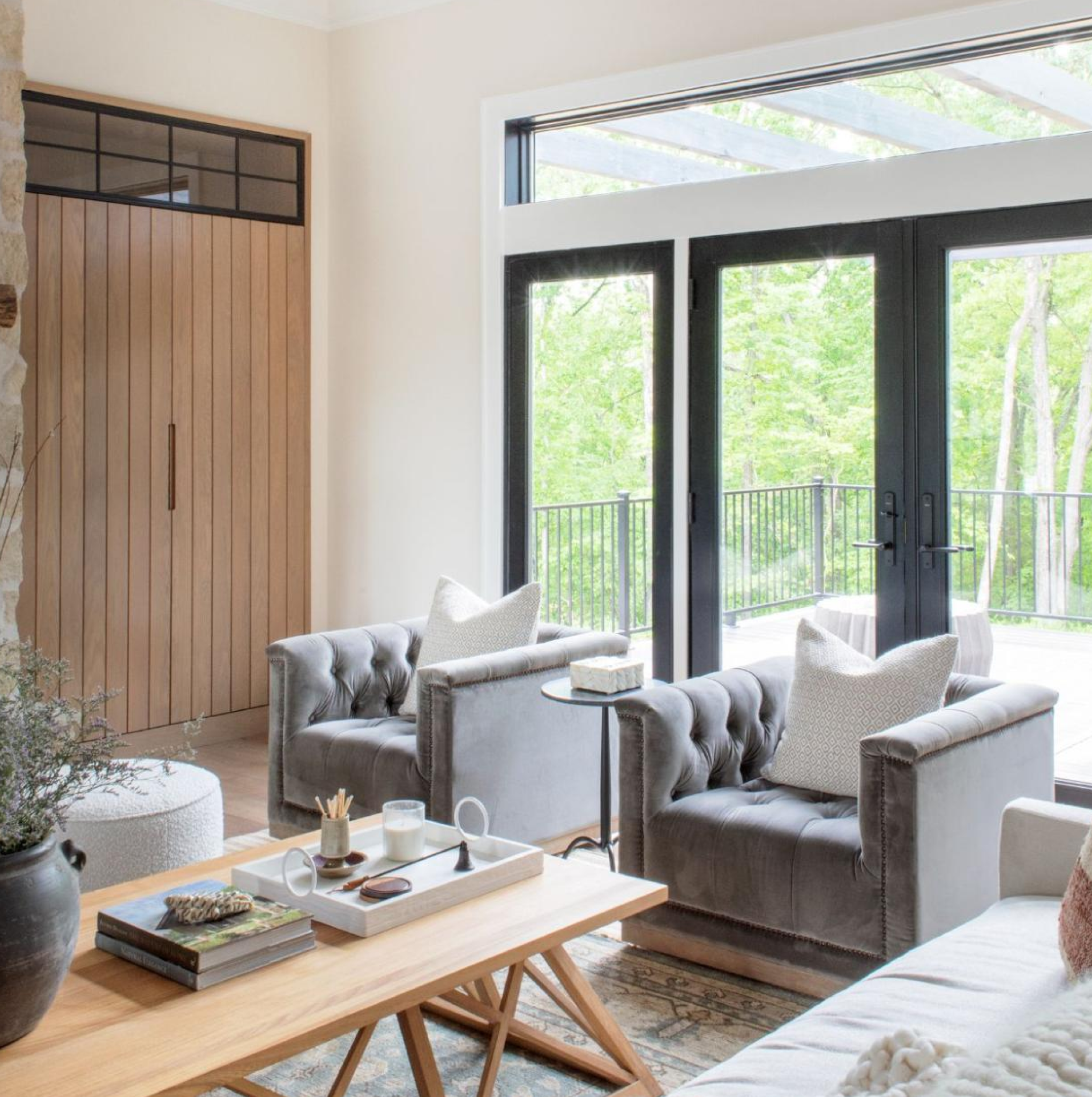
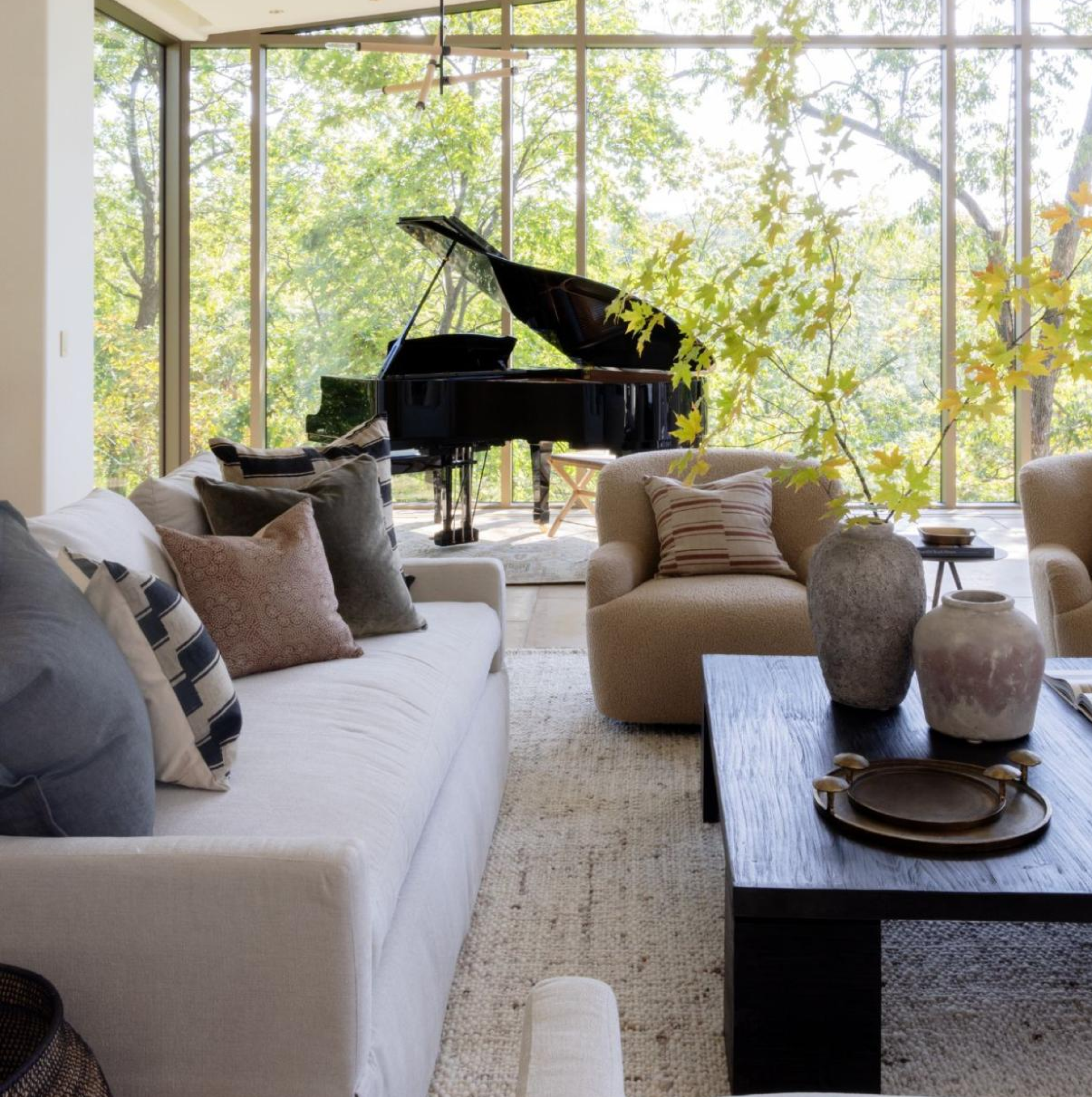
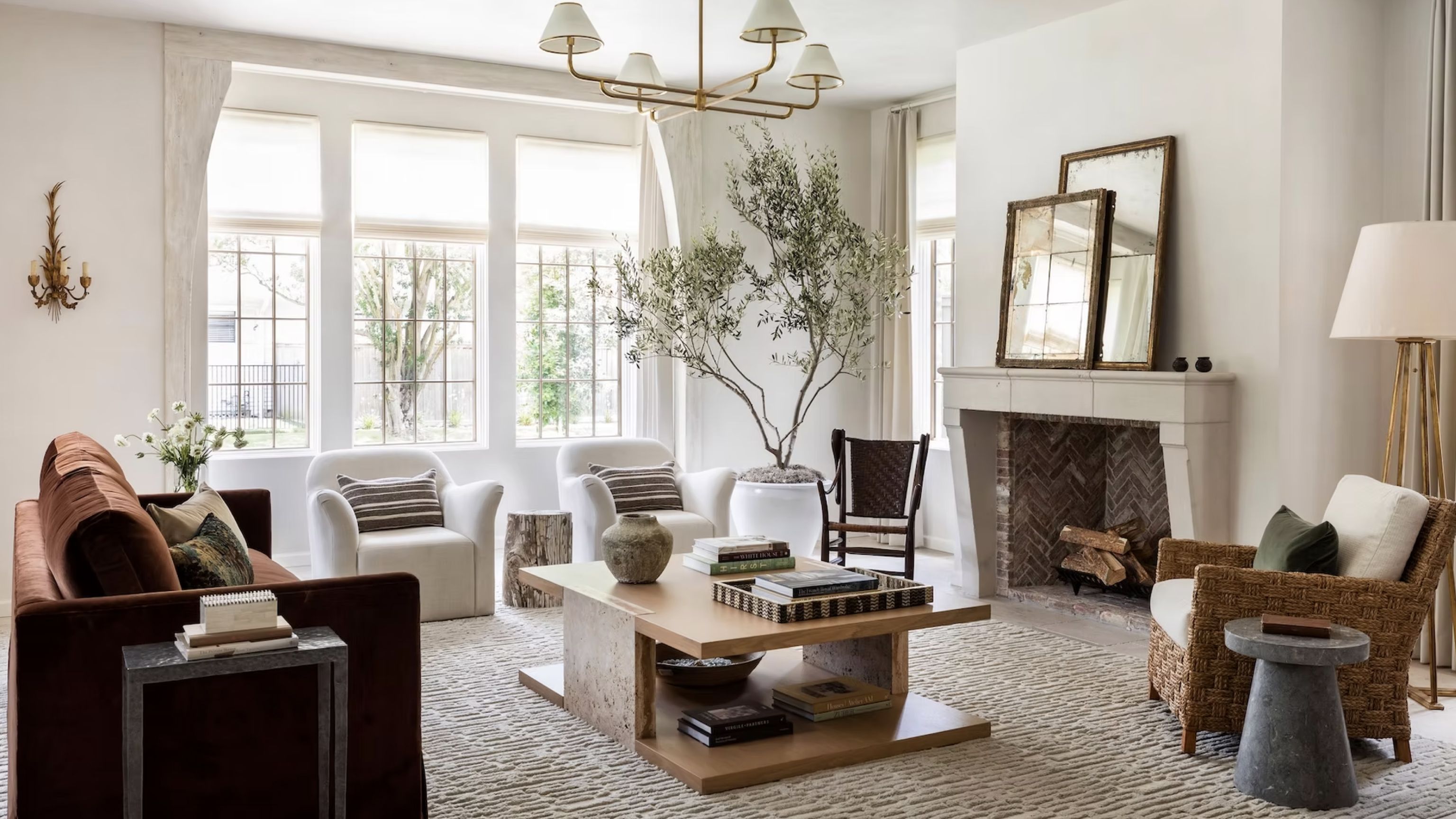
Once I know the chair fits the way the room is used, I look at scale and silhouette. And I almost always want some contrast. If the sofa and other chairs are high-backed, I'll bring in something lower. If the sofa has a clean track arm, I'll look for a rolled or more unusual arm. If there are already a lot of straight lines and square shapes in the room, I'll soften them with something rounded.
The goal isn't to find a chair that matches everything else. It's to find one that belongs in the room without looking like it came as part of a set.
The mistake I see most: three versions of the same thing. Every silhouette in the room matching, all wingback or all low barrel, so the whole room reads flat. Mixing the heights is what keeps a seating group from looking like a furniture set.
Read more on how to create a conversation space on the Scout & Nimble blog.
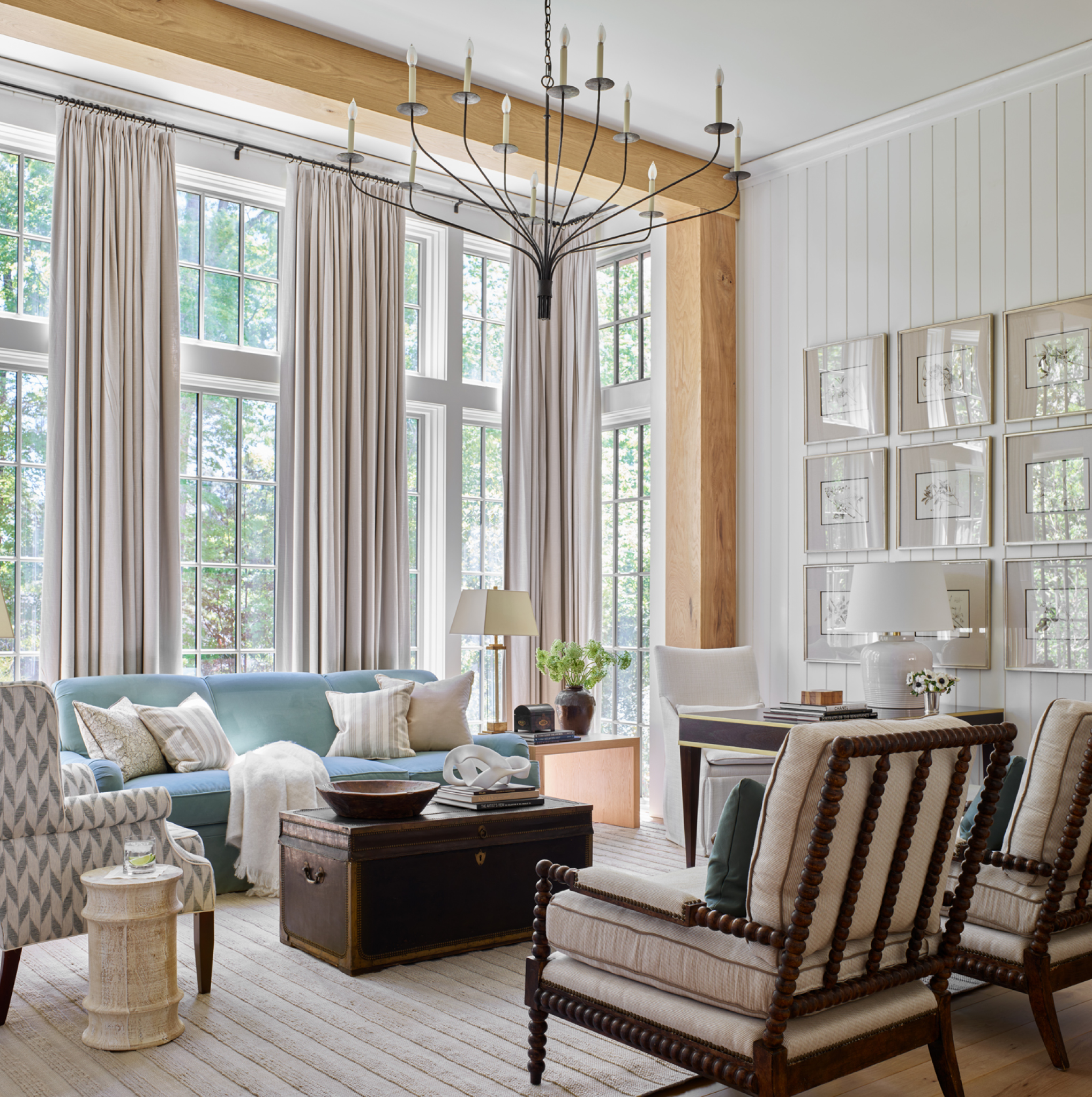
One sofa and four chairs, instead of two sofas facing each other
One layout I'm loving right now is one sofa with four chairs. We tend to default to two sofas when we need more seating, but four chairs can give you the same number of seats while completely changing how the room works. Everyone gets their own spot, and because chairs take up less visual space than a second sofa, the room can feel more open and conversational.
I especially like this layout in rooms where people are coming together but may not know each other well. Think of an office, a rental property, or a home where you entertain often. Sitting next to someone you just met on a sofa can feel a little awkward. Four chairs solve that without making the room feel formal or separated.
And I wouldn't save this layout just for those spaces. It can be wonderful in a family room too, depending on how your family likes to live. Some families want to pile together on the sofa, and if that's yours, give them the sofa. But if everyone tends to claim their own spot, four chairs can make a lot of sense.
It also gives you more freedom with the design. You can play with shape, height, fabric, color, and even a swivel where it makes sense, rather than adding another large piece of upholstery to the room.
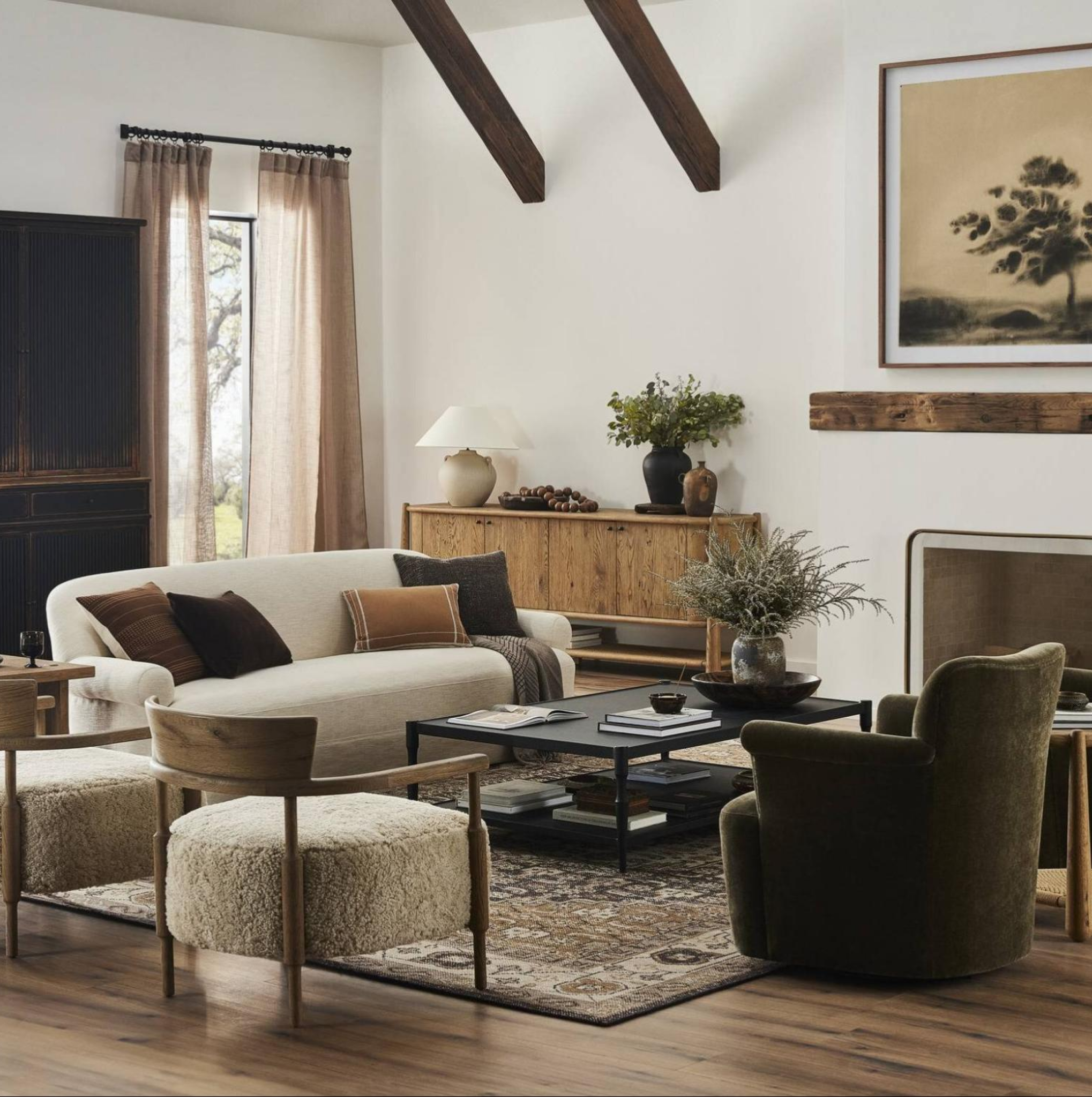
A swivel needs a reason
I love a swivel chair, but only when the room gives it something to swivel toward. Maybe the living room opens into the kitchen and you want to turn toward whoever is cooking. Maybe there's a wall of windows overlooking the backyard, or the chairs need to work for conversation and then turn toward the TV. That's when a swivel becomes more than a style choice. It actually makes the room work better.
If the chair is always going to face the same direction, I don't think it needs to swivel. This is one of those places where it's easy to choose something because you're seeing it everywhere rather than because it solves a problem in your room.
So before you buy one, stand where the chair will go and look around. If there are two places you'd naturally want to face, a swivel might be exactly what the room needs. If there's only one, choose the chair you love and skip the swivel.
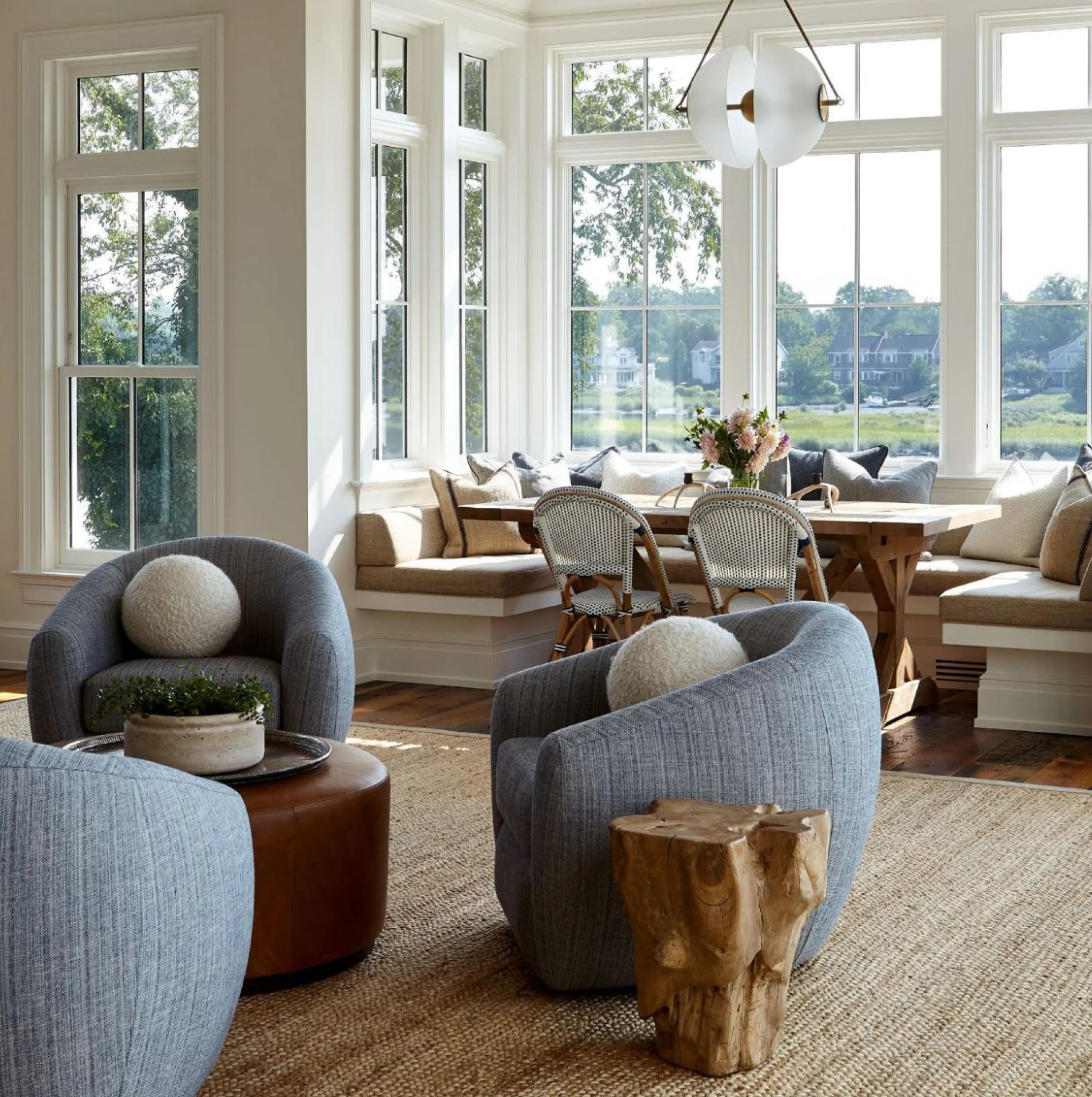
Read more about choosing accent chairs on the Scout & Nimble blog.
For a tight corner or a desk, look at dining chairs
When I'm working with a small space, the first thing I ask is whether someone is actually going to sit there. An empty corner doesn't automatically need to become a reading nook. Sometimes you need another place to sit, and sometimes you simply want something beautiful to finish the space. Both are perfectly good reasons for putting a chair there, but they lead me to very different choices.
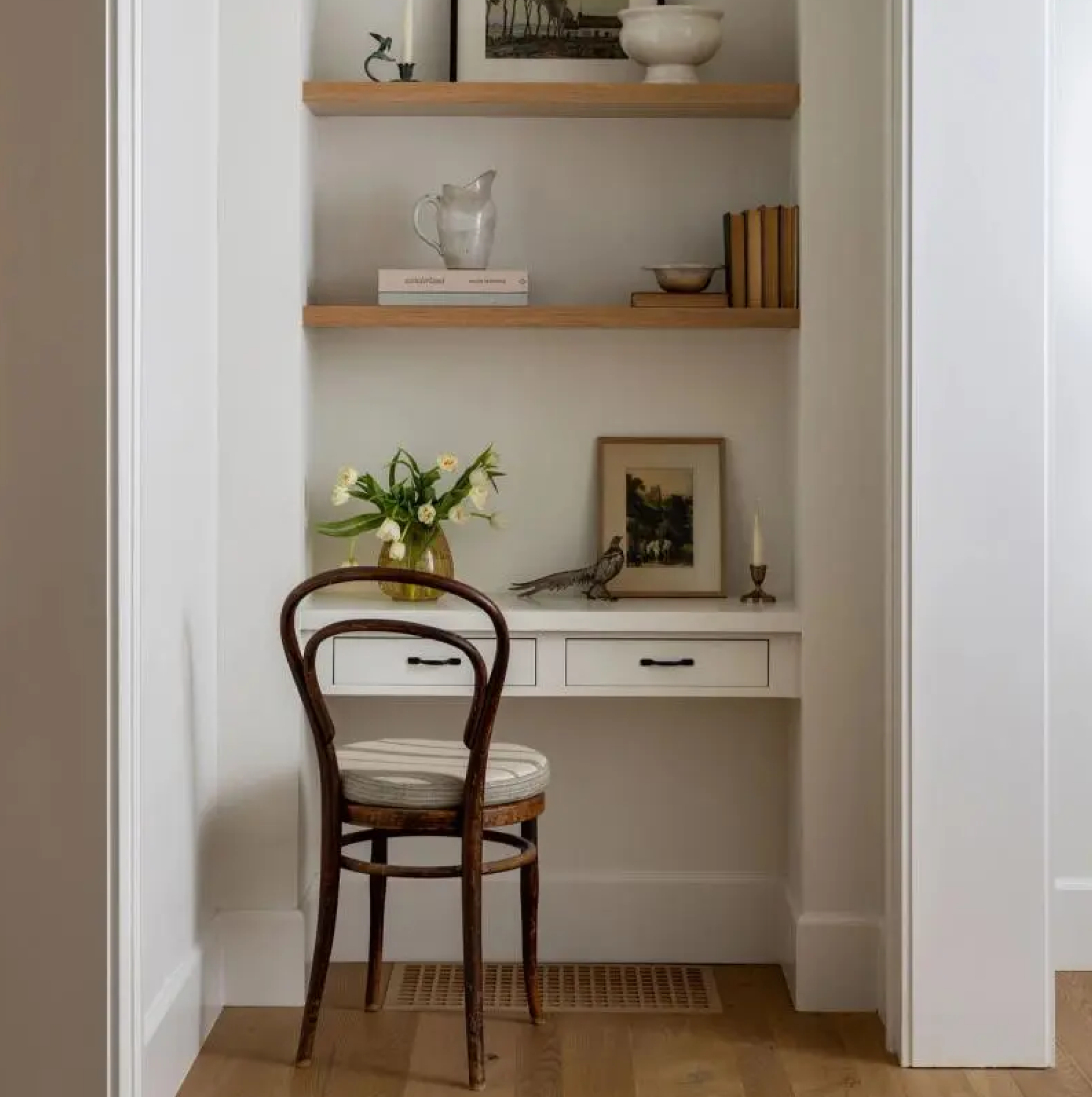
If the footprint is tight, one of my favorite tricks is to stop shopping for accent chairs altogether and look at dining chairs. They're naturally smaller in scale, so they can fit into places where a traditional lounge chair feels crowded. A dining chair is typically around 18 to 20 inches wide, while a lounge chair can easily start around 30 inches. Those extra inches matter when you're working with a corner, hallway, or smaller room.
I use dining chairs at desks for the same reason. You don't necessarily need a traditional office chair with wheels, especially at a desk that lives in a bedroom or another visible part of the house. A dining chair gives you so many more options for shape, fabric, and personality while still giving you a comfortable place to sit.
Where I see people get into trouble is falling in love with a chair first and then trying to make the room accommodate it. In a small space, the footprint has to come first. Measure what you actually have, then find the chair that fits it.
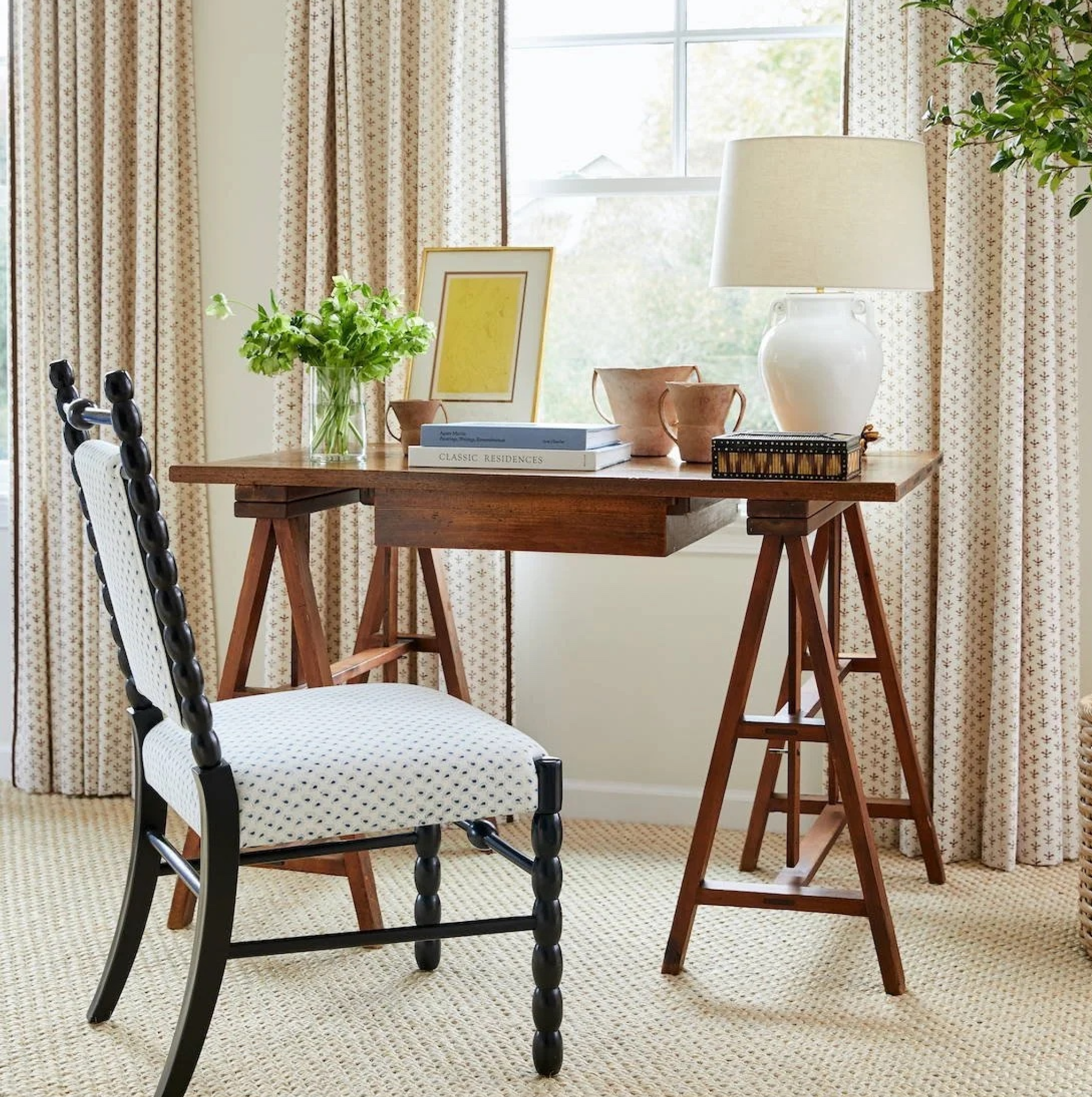
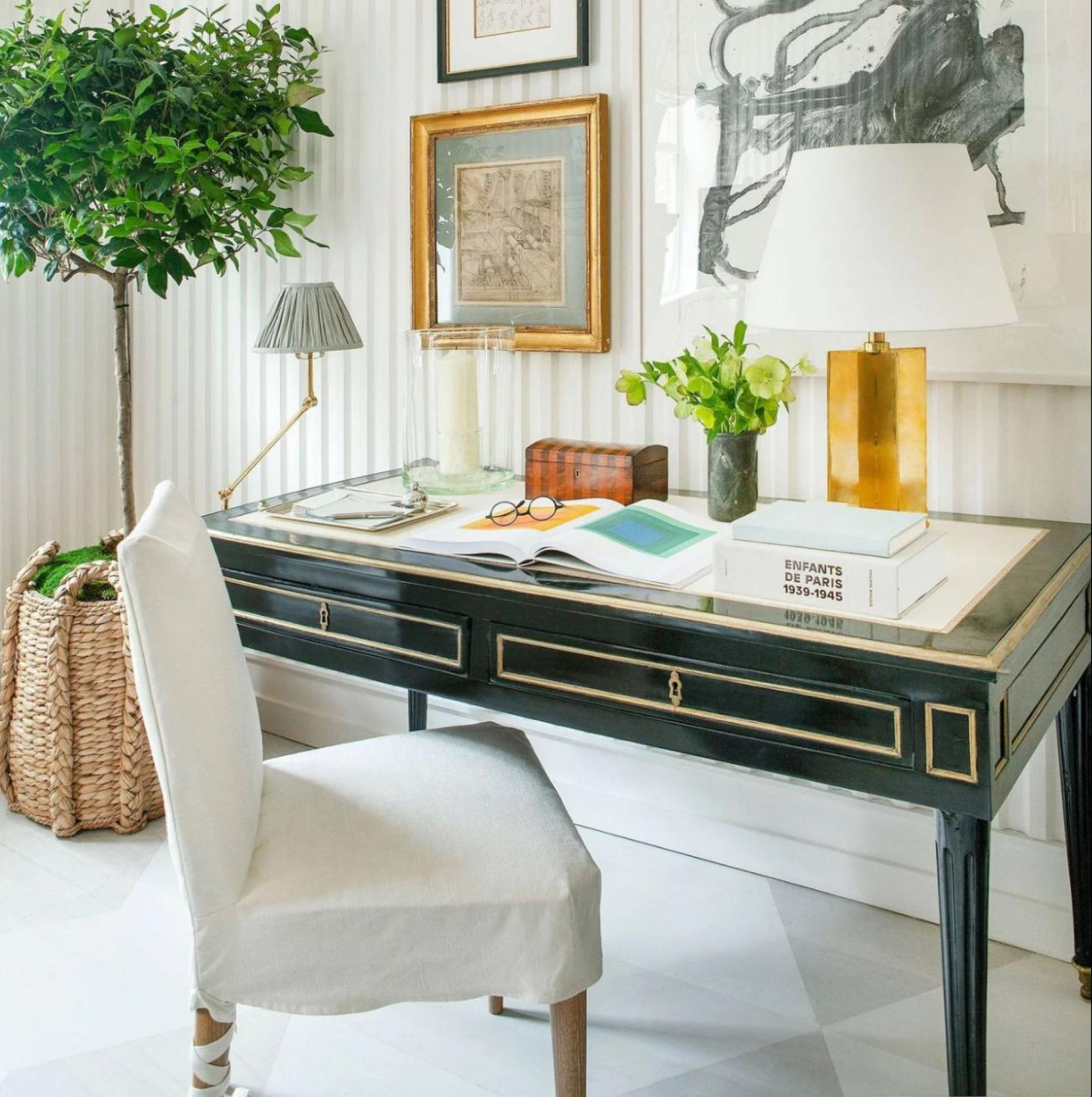
Shop Dining Chairs
The bedroom chair is worth doing properly
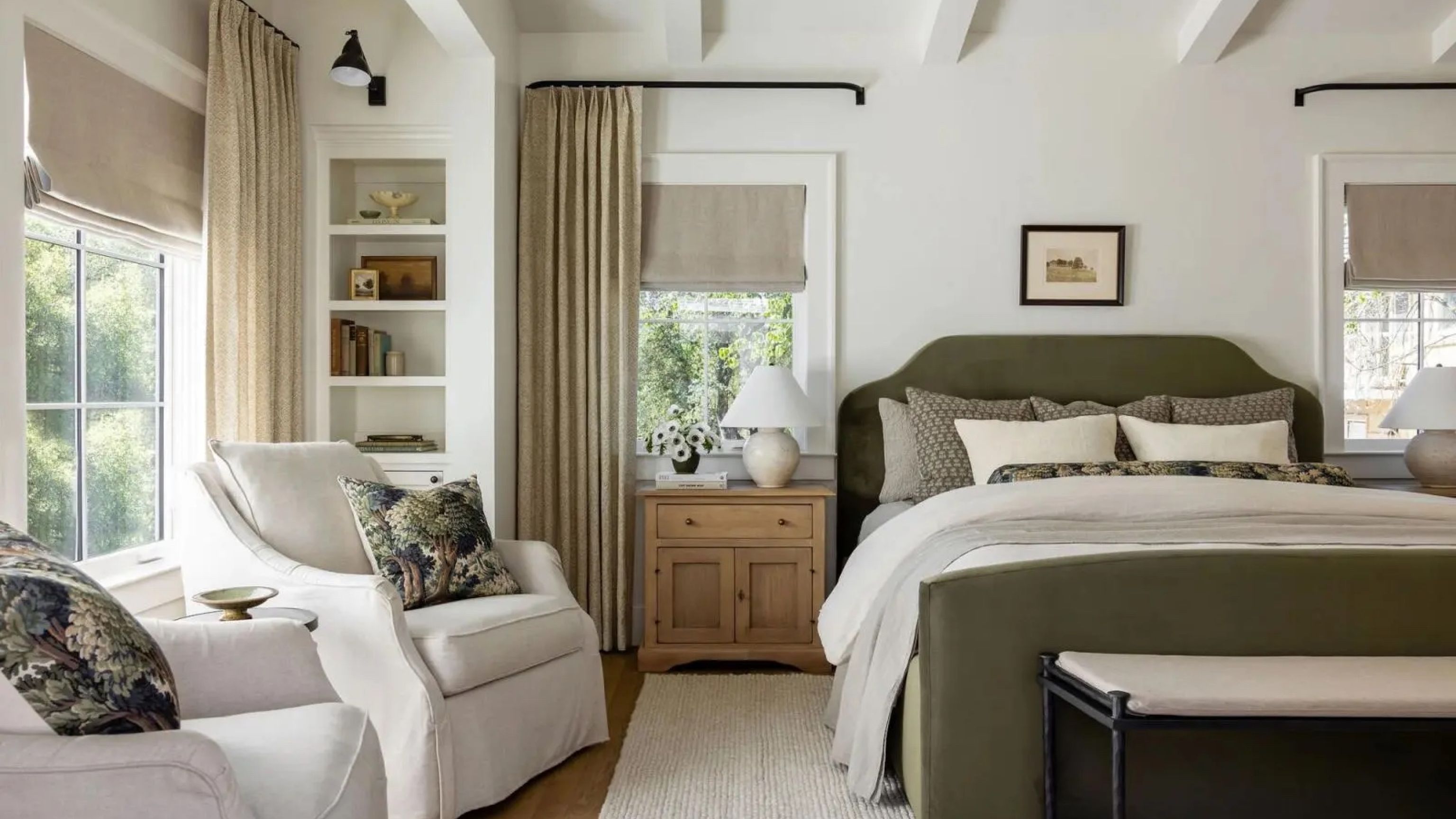
A chair in the bedroom is one of those small luxuries I think more people should give themselves. Before choosing one, look at how much room you actually have. If there's enough space for a chaise, I love a chaise. If not, a really comfortable chair with an ottoman can give you that same feeling of having a little retreat within your bedroom.
I also pay attention to what's behind the chair. If it's sitting against a large, open wall, a higher back can help fill that space and give the chair some presence. If it's going in front of a window, I want something lower that isn't going to block the light or compete with the view.
I have a very specific reason for wanting a chair in my own bedroom. I won't get into bed until I'm actually ready to go to sleep. I like my bed cool, so at the end of the day, I'll sit in my chair and look through a magazine before getting into bed to read. It's a little routine, but it's also why the chair gets used instead of just sitting there looking pretty.
And that's really the difference. If you're going to give up that much space in a bedroom, make the chair somewhere you genuinely want to sit. Give yourself the ottoman. Choose the chaise if you have room. Make it comfortable enough that it doesn't automatically become the place where you throw your clothes at the end of the day.
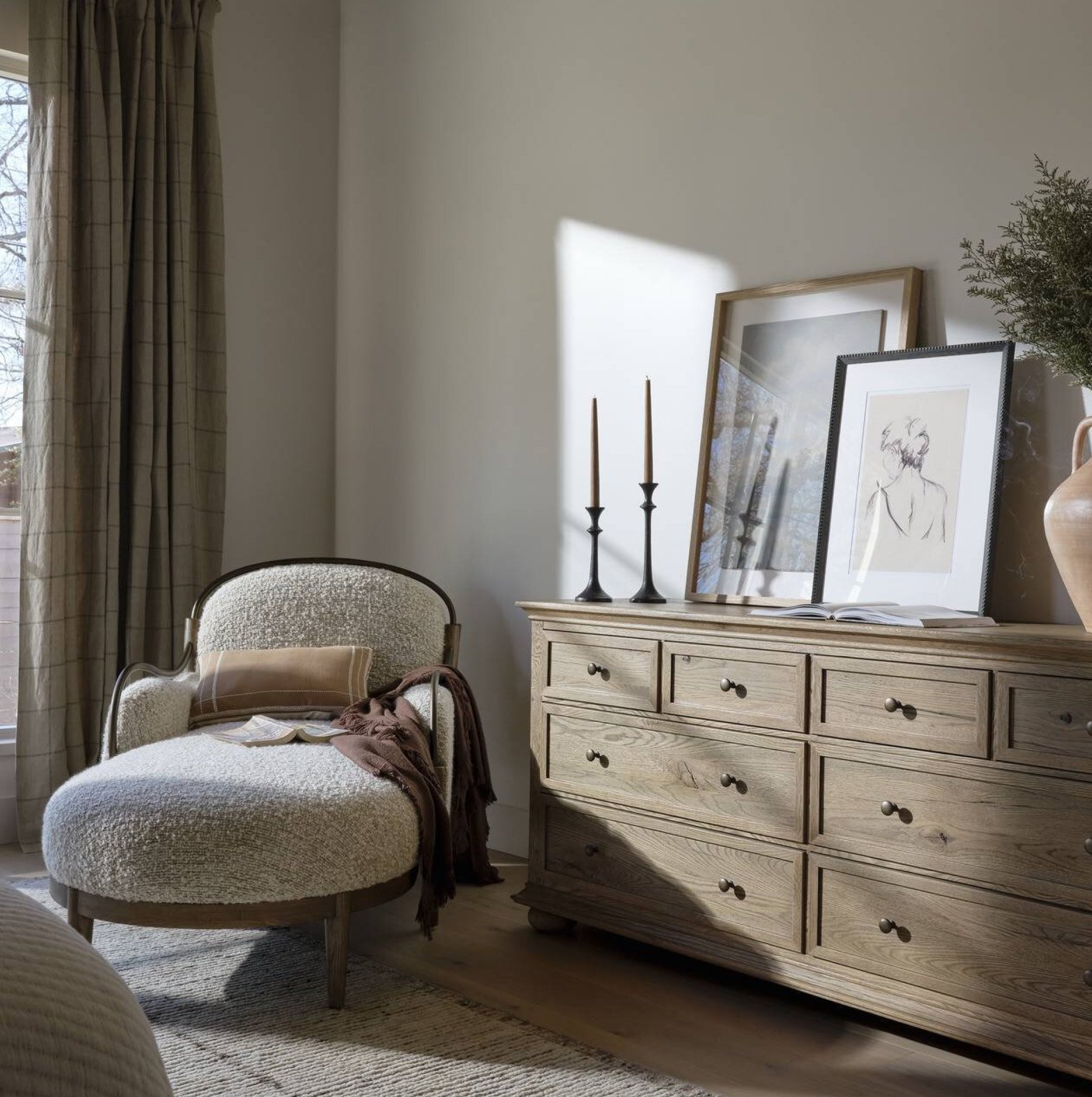
Shop Comfort Chairs
The chair is where you take the color risk
If there's one place in a room where I'm going to encourage you to take a chance with color or pattern, it's the chair. I completely understand why people hesitate when they're choosing a sofa. It's a big purchase, you expect to live with it for years, and suddenly that beautiful green or blue feels like a much bigger commitment than it did on the fabric swatch.
A chair is different. It's smaller, it's easier to move from one room to another, and it doesn't have to carry the whole space. That gives you permission to have a little more fun with it. Choose the color you keep coming back to. Try the pattern you love but wouldn't put across an entire sofa. Let the chair be the piece that brings some personality into the room.
And don't assume that choosing something practical means choosing something neutral. Performance fabrics have gotten so good that there are plenty of durable options in color and pattern. You don't have to default to leather or beige simply because the chair is going to get used.
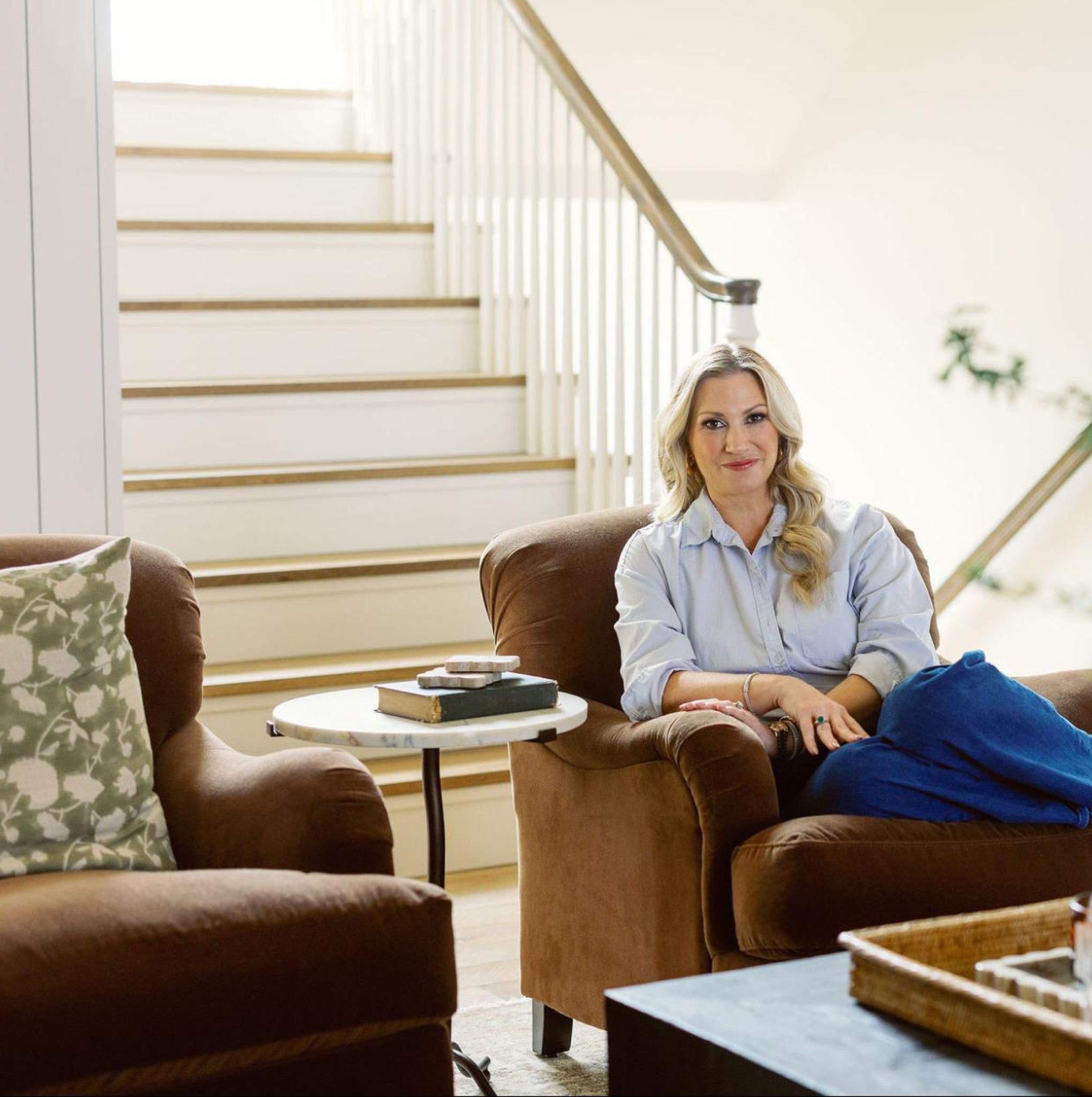
This is especially true when you're buying a single chair for a bedroom, desk, or corner. It's a one-off piece, so it doesn't need to match anything. Get the function and scale right first. Know how you're going to use it, measure the space it needs to fit, and then give yourself permission to choose something you actually love looking at.
Do accent chairs have to match?
No, and matching them is the fastest way to make a room read flat. A pair reads intentional when it flanks something, like a fireplace or a window. Past that, I'd rather see two chairs that talk to each other through fabric or wood tone than two that are identical.
Should an accent chair match the couch?
It shouldn't match, and it should contrast on purpose. If the sofa is a clean track arm, pick a rolled or sculptural arm. If the sofa is low and long, go higher in the back. Contrast in silhouette is what keeps a seating group from reading like a showroom set.
Can you use a dining chair as an accent chair or a desk chair?
Yes, and it's my go-to for a tight space. Dining chairs are smaller in scale than lounge chairs, so they fit corners and desks where a lounge chair won't, and the selection is much wider. Most people don't miss the rollers on a desk chair at all.
How tall should an accent chair be?
Let the wall behind it decide. If there's empty wall to fill, a high back earns its place. If the chair sits in front of a window, keep the back lower so you're not blocking light. In a seating group, pick a height that differs from your sofa rather than matching it.
What color accent chair goes with a gray sofa?
Gray is a neutral, so almost anything works, which means this is your chance to commit. I'd go olive, a deep navy, or a warm butterscotch leather before I'd go another gray. Pattern works here too. The chair is the lowest-risk place in the room to take the color.
Comments
Comment or question? Leave it below.
Jesse put True Caliber refrigeration in the Scout House and color matched the cabinets to it. Why she showed the appliance instead of hiding it.
keep reading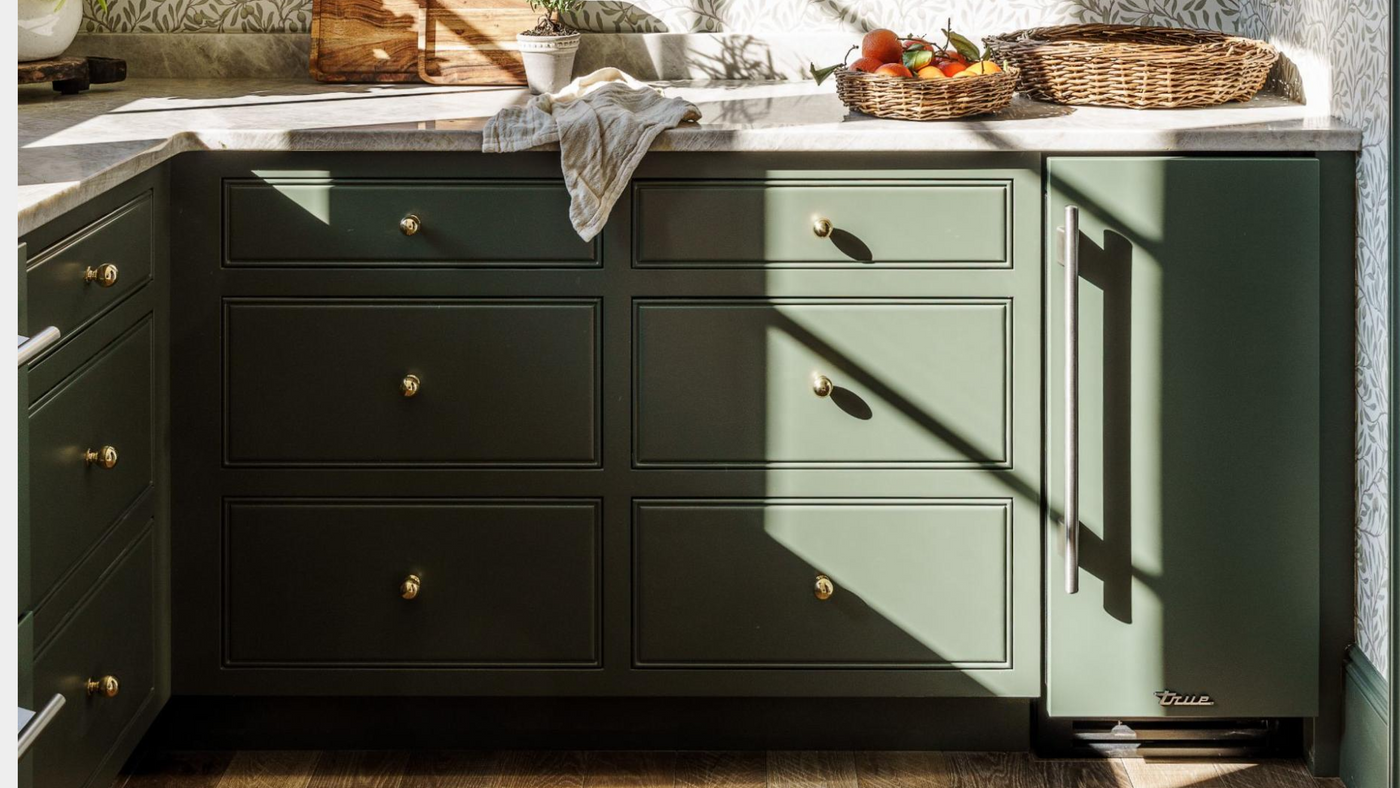
Choosing a dining chair starts with the people sitting in it. Here’s how I think about fabric, comfort, and everyday life before deciding what belongs around the table.
keep reading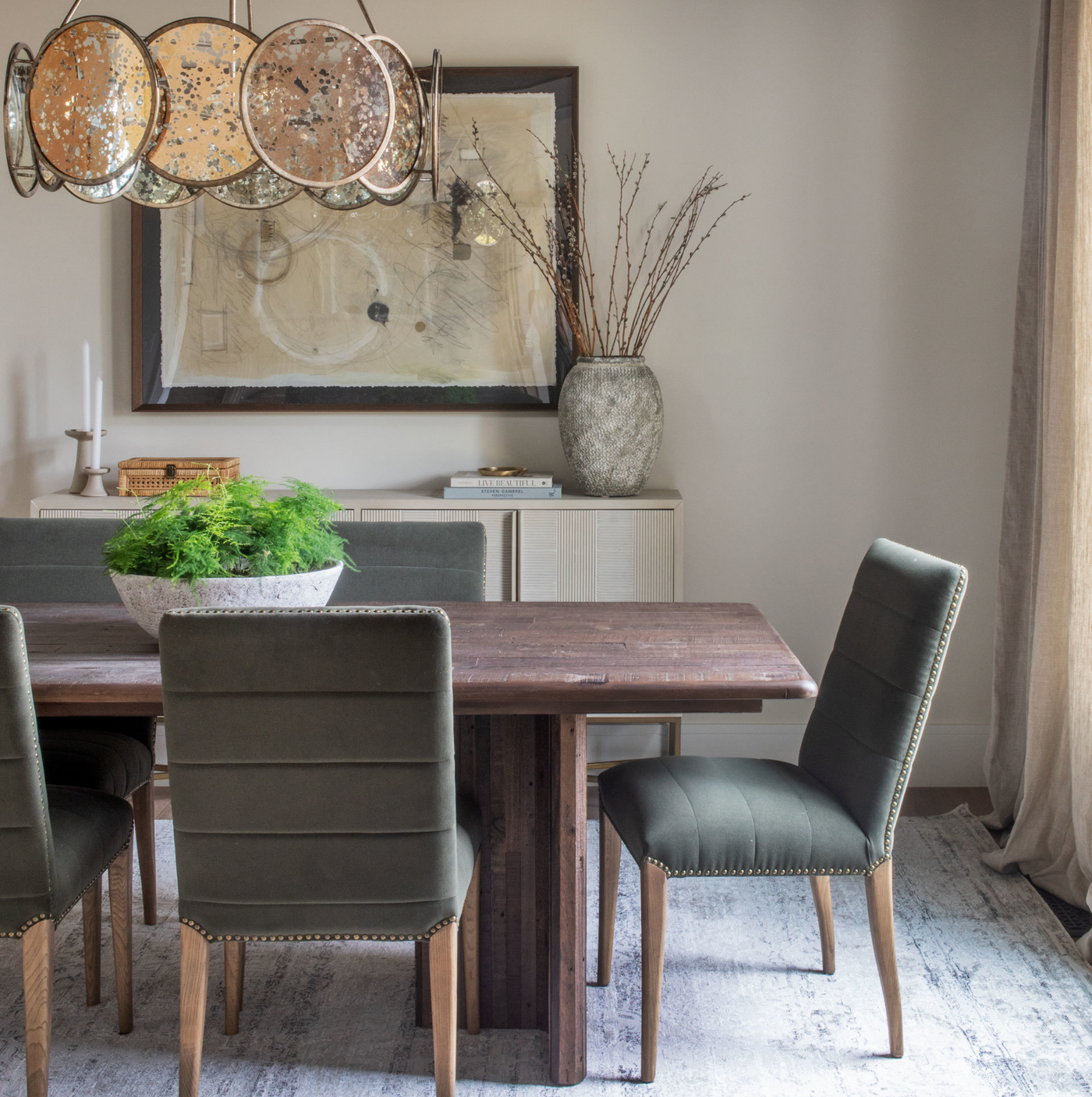
Solid or engineered is a subfloor question, not a taste question. Jesse on the Scout House floors, and the 5 inch plank width she would pick again.
keep reading
Designer Jennifer Hunter built a Greek Revival in Connecticut and gave every room a starting point. Inside her pattern-filled Litchfield County home.
keep reading
Gabby furniture, seen in six rooms of the Scout House. Jesse breaks down every piece she chose, what the quality buys you, and where to start.
keep reading
Jesse put True Caliber refrigeration in the Scout House and color matched the cabinets to it. Why she showed the appliance instead of hiding it.
keep readingChoosing a dining chair starts with the people sitting in it. Here’s how I think about fabric, comfort, and everyday life before deciding what belongs around the table.
keep reading


