

Organic Modern introduces nature-inspired elements, sustainable textiles, and neutral tones into a minimalist, modern space for an effortless and cozy yet sophisticated design.

Imagine a style that gently weaves together crisp whites and clean lines with organic silhouettes, natural textures, and neutral colors. Organic Modern accomplishes just that by introducing nature-inspired elements, sustainable textiles, and neutral tones into a minimalist, modern space for an effortless and cozy yet sophisticated design.

Design by Sean Anderson Design | Photography by Haris Kenjar
What is Organic Modern in interior design?
Pulling inspiration from the Minimalism, Mid-Century Modern, and Boho design styles, Organic Modern style is all about designing a raw and refined space that subtly layers organic elements, forms, and hues against a backdrop of sophisticated and modern simplicity.
The organic feel from the nature-inspired pieces and architectural elements balances the clean lines, allowing the focus to center around the interesting pieces featured throughout that add so much warmth.
How to Capture the Essence of Organic Modern for Your Space
The key to striking an effortless balance between the airy and earthy elements of nature and an unadorned, modern space is to blend together sleek lines, simple silhouettes, and natural textures, colors, and materials:
1. Take a minimalist approach.
The Organic Modern style embraces intentional simplicity – less is more.
Keep your design simple by being extremely intentional with your selections. Avoid clutter by tucking away knick-knacks and redistributing other pieces, decor, and accessories that don’t fit well with your Organic Modern-inspired design. Be sure to give everything in your space plenty of room, including accessories and decor.

Design by Julie Hillman Design

Design by Subdivision Studios
2. Start with a neutral and natural, understated color palette.
Many Organic Modern-inspired designs start with white or off-white walls for a bright base to offset the moodiness of its organic elements. Others lean into the use of natural materials like wood or limestone within the architecture to create a well-balanced palette of natural hues on which you can layer the more eye-drawing elements, pieces, and accessories.

Design by Urbanology Designs
Don’t be afraid to make a statement by working in some bolder colors, like warm neutrals, bright golds, and cool blues, to amp up or tone down your space. Try starting with a neutral tone and selecting a bolder and more saturated hue in that same tone and go from there.
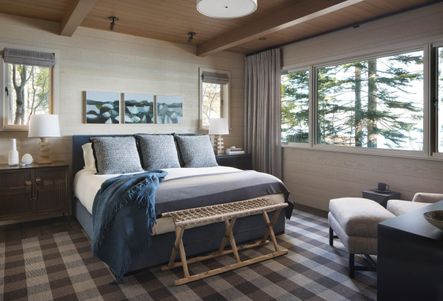
Design by Jennifer Robin Interiors | Photography by Paul Dyer Photography
One great method for choosing a palette you know will work well is to draw inspiration from your surroundings, like the multi-colored smooth stones from your favorite pebble beach, or ribbons of color from the limestone cliffs that line the trail you take on your morning walks.
3. Select simple pieces with organic silhouettes.
Think Mid-Century Modern except with softer, more rustic materials, textiles, and colors. Play with a combination of curves and clean lines that emulate natural forms for that organic feel.

Design by Jessica Helgerson Interior Design | Photography by Lincoln Barbour

Design by Bodine White | Photography by Emily Sewell | SHOP THE LOOK: Papillon Stool, Full of Hope Wall Art
Get the look with these organically simple silhouettes:
4. Choose pieces and accessories that use natural materials.
Wood, jute, limestone, rattan, bamboo – these are just a few examples of materials you can feature in your space to generate an earthy feel.
An excellent way to add interest and personality is to introduce handcrafted pieces from your favorite artisans into your space. Select items made from natural materials like stone, wood, or clay and embrace their perfectly imperfect flaws by allowing plenty of exposure when placing your pieces.

Design by Jute Home
Get the look with these nature-inspired pieces:
Wood accents and architectural elements, especially those made from aged or repurposed natural materials, tell a story. Consider antiques and family heirlooms that can be repurposed for your architecture, built-ins, or even lighting.
Be sure to take a look at how to mix wood tones for tips on how to bring your wood-finish elements together.
5. Invite greenery into your space.
Undeniably a staple of any organic-inspired design, greenery is arguably better suited for the Organic Modern style than any other. From large palms and monsteras to small succulents and lucky bamboo, greenery invites a freshness into the design you just can’t achieve with anything else. For more tips on greenery, check out our post about some of our favorite go-to greenery for the home.

Design by Jeremiah Brent | Photography by Nicole Franzen

Design by Jake Arnold
If you’re not looking to add plant care to your housekeeping routine, there are a lot of high-quality alternatives to living plants – you might look at faux or dried options to achieve the same organic feel.
6. Layer natural textures.
Rugs, pillows, throws, upholstery, vases, even lamps, and planters – there are countless accessories made from natural materials you can layer to add depth and interest, as well as encourage eye movement throughout your space.
From woven rattan cabinets and jute rugs to aged wood coffee tables and marbled stone countertops, layering textures is all about bringing together eye-catching outdoor textures and tones in a subtle yet compelling way.
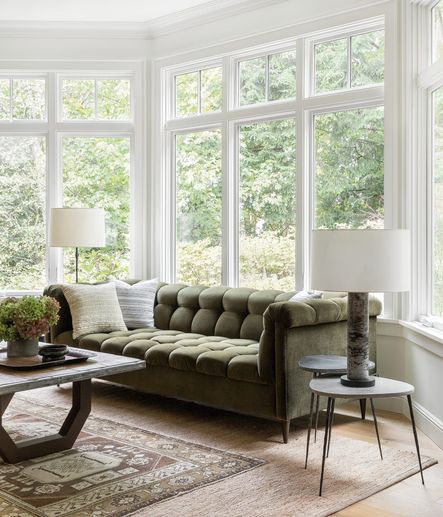
Design by Lisa Staton Interior Design | Photography by Haris Kenjar
Get the look with these luxe natural textures:
The textural combinations are endless, but typically, try to incorporate soft, touchable textures and natural fibers alongside the rougher or bolder pieces within your space. As you can see above, natural materials and fibers are introduced into the living space through the use of stone in the base of the lamp and top of the coffee table, and also in the fabric of the layered rugs.
7. Use natural lighting or choose fixtures with organic forms made from natural materials.
The more natural light you have, the more fresh and organic the space will feel. Regardless of the amount of light your space has exposure to, the options for lighting can open you up to the opportunity to feature special touches of nature in places you might never have considered.

Design by Anthology Interiors
Not every interior design project begins as a new build, so in situations where you’re renovating and don’t have control over the amount of exposure to natural light you’ll have for your room, look at lighting alternatives that add natural form, texture, and history to your space.
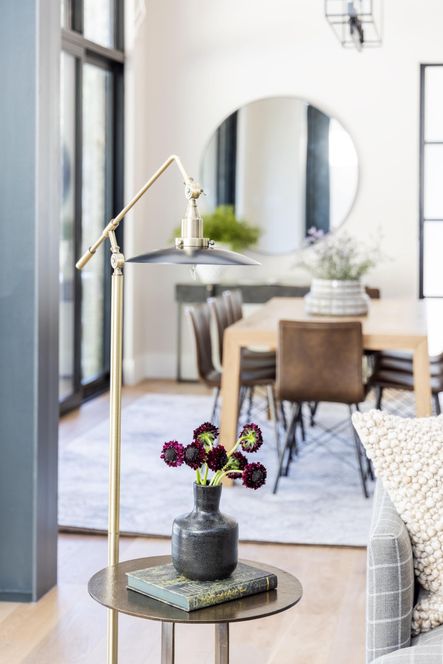
Design by Bodine White | Photography by Emily Sewell | SHOP THE LOOK: Douglas End Table, Mika Bottle Vase, Mid-Century Modern Floor Lamp, Kaz Textured Ivory/Beige Pillow
If you already have a lot of natural texture and material featured throughout your space, draw inspiration from the modern and minimalist style go for white and/or gold metal finishes and clean lines and curves when selecting lamps and fixtures.
Timelessly Fresh & Refined
The Organic Modern style is a perfectly subdued blend of all of the gentlest parts of nature and the most sophisticated and sleek elements of modern interior design. Simple silhouettes and clean lines marry happily with elements derived or inspired by nature for a warm and timeless feel, that envelops you the moment you walk into the room.
Shop the Look: Organic Modern Styles
Sleek & Modern Accent Chairs in Organic Shapes, Textures, and Colors
Raw Yet Refined Coffee Tables & Side Tables
Sleek & Neutral Bench Seating
Sideboards, Dining Tables & Seating for Nature-Inspired Dining
Modern Lighting with Organic Form
Want more organic modern design?
Read our favorite organic Modern home tours, from Sean Anderson’s Kirby Woods to TOM Interior Design Studio’s Ski Chalet these projects highlight the simplistic style, organic silhouettes, and natural materials and textures of an Organic Modern design.
Comments
Comment or question? Leave it below.
The full paint story behind the Scout House — from the warm white that anchors the house to the bolder colors tucked into smaller rooms, here's how the Scout House palette came together.
keep reading
How to size a round coffee table to your sofa, pick a material you won't baby, and style it like a designer — with real dimensions and picks.
keep reading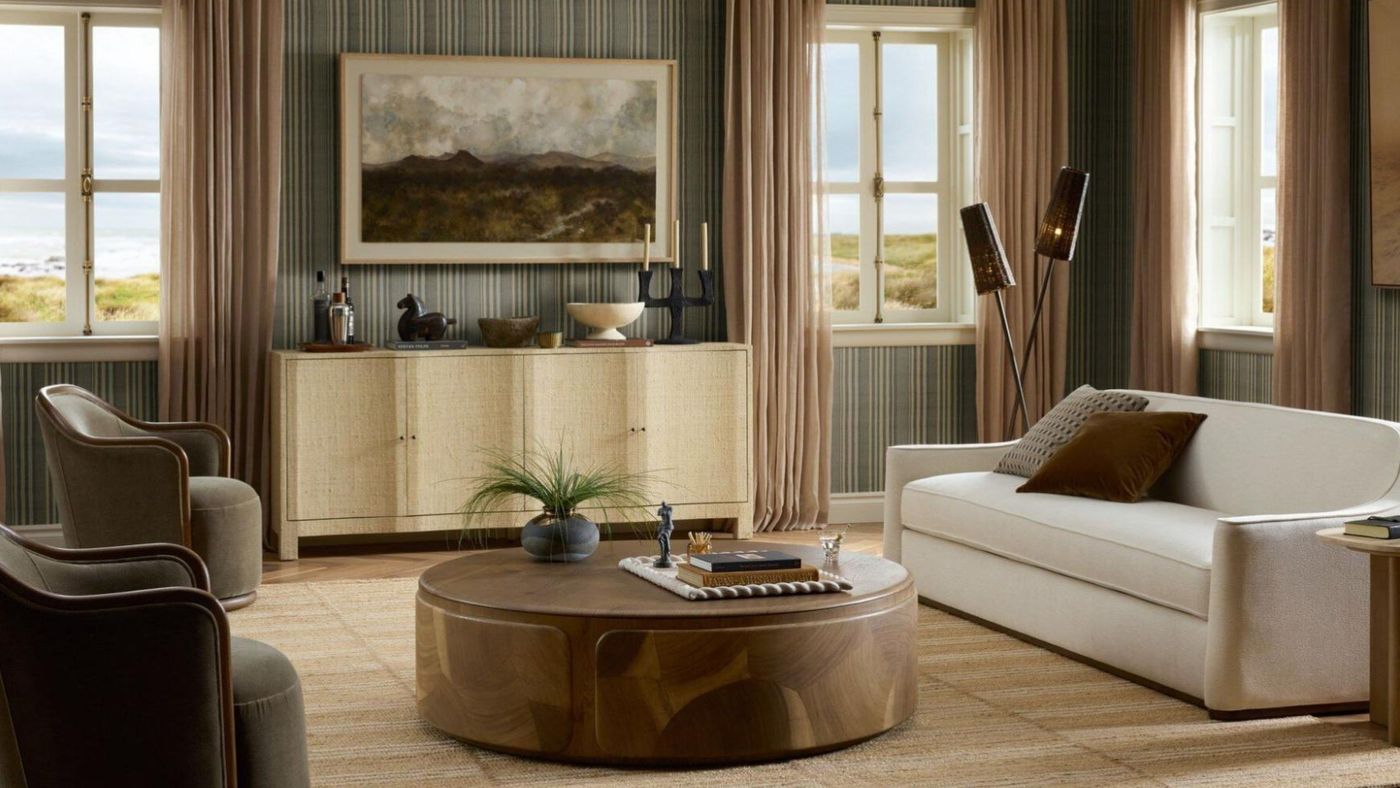
How to choose and style a console table — heights, depths, where to place one, and a designer's styling formula. Shop console tables at Scout & Nimble.
keep reading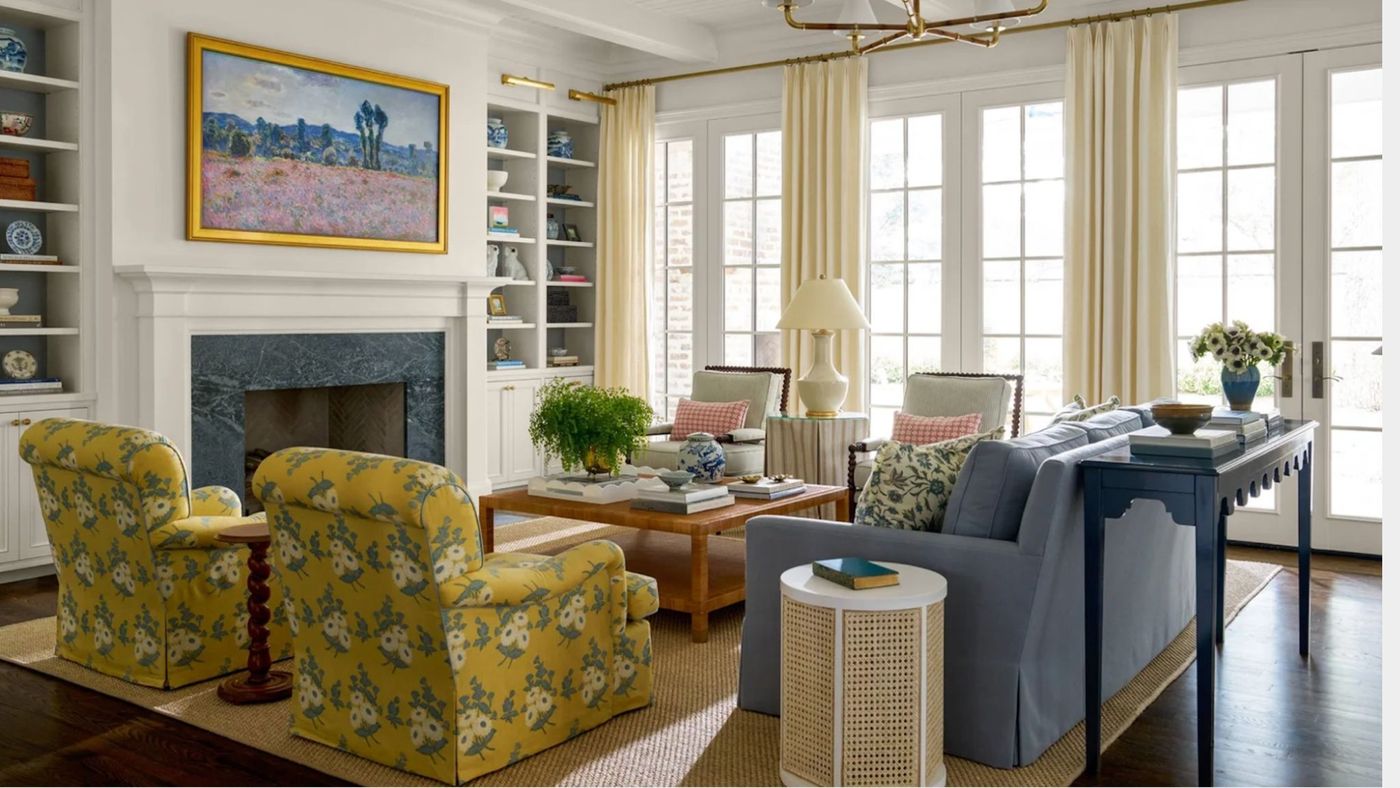
How I chose the windows for the Scout House — Marvin's Ultimate Collection, divided lites out front, clean glass out back, and a decade-long partnership.
keep reading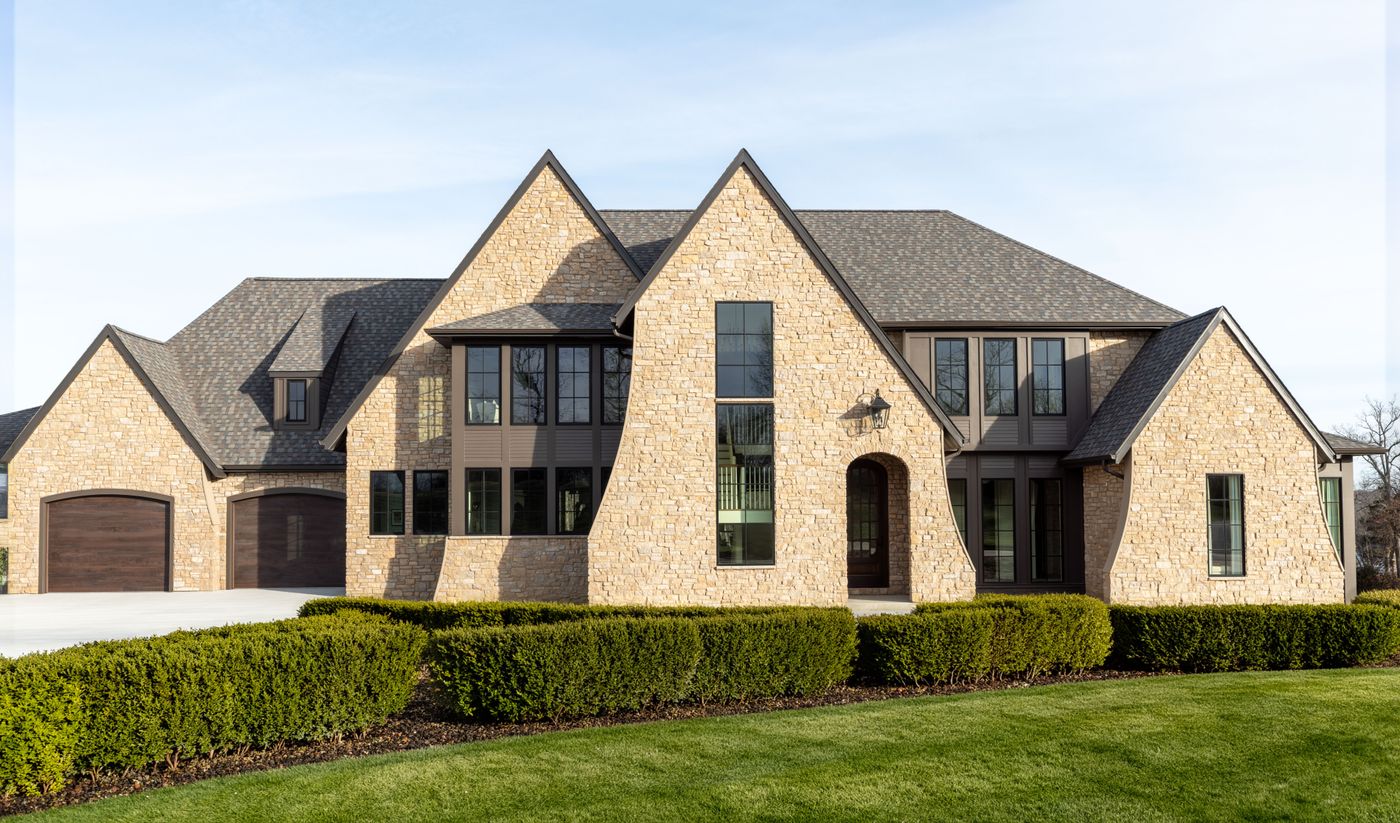
A designer's honest read on 2026 interior design trends, straight from the market floor — the ceramics, glass, and color worth bringing home, and what to skip.
keep reading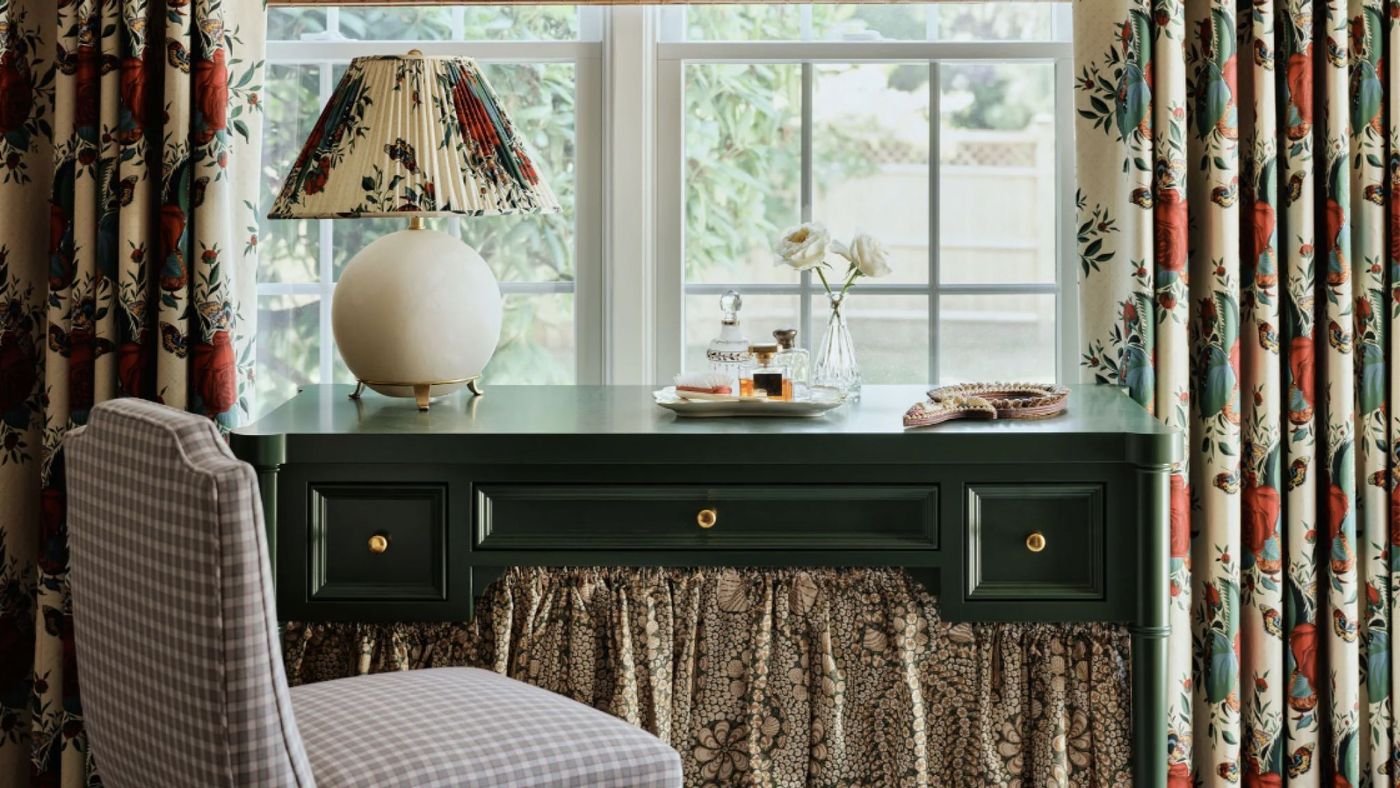
The full paint story behind the Scout House — from the warm white that anchors the house to the bolder colors tucked into smaller rooms, here's how the Scout House palette came together.
keep readingHow to size a round coffee table to your sofa, pick a material you won't baby, and style it like a designer — with real dimensions and picks.
keep reading


