

A designer's honest read on 2026 interior design trends, straight from the market floor — the ceramics, glass, and color worth bringing home, and what to skip.
My honest read from the market floor: what's worth bringing home for 2026, and the one rule that keeps any of it from taking over your house.
Every time I go to Market, I come home inspired. There's simply no substitute for seeing thousands of pieces in person, touching the materials, noticing the craftsmanship, and discovering the details that never come through on a screen. We always go with a plan, but I make sure to leave room to wander. This year, that's where I found the ideas I couldn't stop thinking about.
Six things kept showing up in every showroom I walked into: appliqué ceramics, glass and crystal, shells, color climbing the walls, sculptural lighting, and pleated fabric shades. That's where things are heading for 2026. Here's what caught my eye, what I'd actually buy, and how I'd keep it from feeling like a passing trend.
Before we dive in, I should say this: I don't love calling these trends. I don't love the word trend because it makes everything sound temporary. I'd rather show you the ideas I kept showing up, because they're usually a sign that design is moving in a new direction. Take what you love, leave the rest, and have fun with it. My one bit of advice? Don't go wild in one category where the "trend" is noticeable. The point of paying attention to where the market's heading isn't to chase it. It's to fold in the pieces that feel right in a way that stays collected and layered.
The return of artful ceramics.
For a long time, we leaned on those beautiful vintage ceramic jars. Clean, simple, lovely. What I'm seeing now is that the artistry is coming back, layered right onto the ceramic base. Appliqué everywhere: florals, leaves, rope, chain, and little abstract dots. Texture you can run your hand across. Some pieces were fully three-dimensional, almost roped, raised, sculptural. A few vases covered in florals stopped me in my tracks.


It was in every showroom. Our suppliers, Currey & Company and Napa Home & Garden, really leaned into floral appliqué in a way that felt so intentional and sculptural.
Here's how I'd bring it home: one or two pieces, not ten. A hand-painted vase with a two-toned terracotta glaze serves as a small sculpture on a shelf. The Banded Texture Ceramic Vase and the speckled, footed Odella give you that run-your-hand-across-it quality without turning every surface into a texture study. Let one be the moment, and let the rest gather around it.
A fresh take on glass.
If you only do one thing on this list, do this one.


I've watched glass build over the last few markets, and I'll be honest, it underwhelmed me for a while. It still felt a touch outdated. Not anymore. This is a fresh, clean take, and the artistry is what makes it interesting.
It's fully back on the tabletop. More crystal, more colored glass, everything from clear to amber to brown. The texture is the story now: quilted glass, glass appliquéd on top of glass, striped pieces that pull a single color through. We saw crystal bowls at every price point, from very approachable to real crystal that climbs fast.
And the lighting is where it gets good. Heavy crystal lamps. Chandeliers leaning into it hard, delicate, the way they catch the light. On the other end, colored glass in the simplest disc shapes with a light behind them, giving off this quiet glow I loved.

This is the one I'd act on first because it works almost anywhere. A solid crystal lamp in optical crystal with brass hardware and a linen shade reads as elevated in both a traditional and a modern room. Want the idea in a smaller footprint? The Celeste Crystal Mini Lamp does it on a nightstand or a bar. The Reverse Crystal Teardrop is the sculptural version of a console you want people to notice.
Shells: when they work, they really work

Design: @trishbeckerdesignd

Via Pinterest
Shells were literally everywhere. On mirrors, on lamps, on boxes, on furniture. Picture frames edged entirely in tiny shells. Many tabletops pay homage to shells, from platters to candlesticks to trays. I read it as a wink to the '80s and an extension of the scalloped-edge moment we've watched climb for a while. Some of it is genuinely stunning: shell mirrors, shells pressed into plaster and concrete in coastal homes. In the right setting, it's artistic and beyond beautiful.

Design: @kateguinnessdesignd
Photo: @james_mcdonald_photographyd

Architect: @peterzimmermanarchitectsd
Photo: @ericpiaseckid
Now, my honest take. Give me a home on the coast, and we'd run with this. Here in mid-Missouri, it's a tougher sell. So I stick to the subtle notes: a shell-shaped silver catch-all dish by the door reads as collected and interesting instead of overly coastal. That's the version of this that works in most of our homes.


If you're near the water, go further than I would. If you're not, one small shell object is plenty.
Color and personality, straight up the walls
This one made me happy. Color and real personality are coming back, especially through plates, dishware, and tableware. Mixing, matching, then heading straight up onto the walls. Plate walls are rising again, that traditional nod, and people are using them to capture who they actually are.

Design: @jenniferbeekhunterd
Photo: @rikkisnyderd
Styling: @francesfindsd

Design: @jenniferbeekhunterd
Photo: @rikkisnyderd
Styling: @francesfindsd
Green was the color carried through every showroom. Dark greens, light greens, Kelly greens.
Cabbageware was in showroom after showroom, even in a very pretty light pink. And chinoiserie has stepped up: Napa had new tan-and-white patterns, plus greens and blues, that felt fresh and still deeply traditional. A blue-and-white blossom piece is the easiest way in, and if you want the full approach, here's how we think about styling blue and white.
Sculptural lighting that feels alive
We've talked about sculptural lighting before: artistic fixtures, shapes you illuminate so they read as art that also happens to work. What's coming out now has shifted. It's more whimsical. A lot of it looks like fabric or tissue paper, airy and almost weightless, but structured underneath. There's a feminine, playful quality to it with real visual impact.


Then there's the true organic end of it, fixtures that read more like sculpture than light. I'm seeing so much more of it, and it's the kind of piece that gives a room a soul. If you have one spot begging for something with personality, this is where I'd spend.
Pleated and fabric shades

Via Pinterest

Via Pinterest
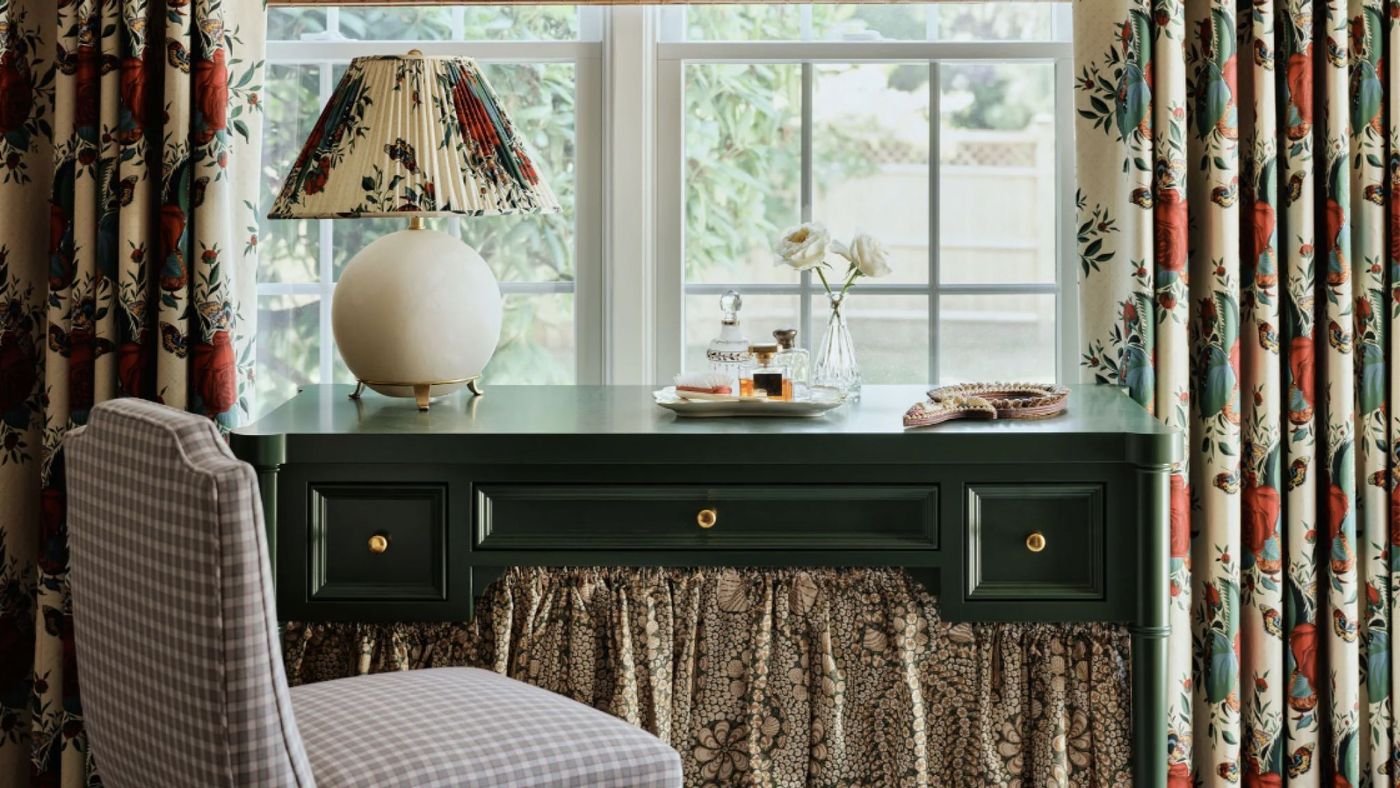
Pattern and softness, everywhere. Pleated and fabric shades on table lamps and chandeliers, frills, tapes, fringe, every pattern you can imagine. Creative Co-op's whole showroom was this: whimsical patterns, beautiful shades, even bows worked in for that feminine, youthful touch. It felt like every lamp in the building was wearing a textured shade, and I loved it. The same lamp becomes a completely different thing depending on the shade you give it.


One word of caution. It can be tempting to put these everywhere, but I think they're most beautiful when they're used intentionally. Pick one or two lamps you want to draw attention to and let the contrast do the work.

Designer: @katierosenfeldd
Photo: @readmckendreed
Styling: @matthewgleasonstylistd
How to bring these ideas home
Here's the thread through all of it: market is shifting toward a more traditional approach, and I don't see that going anywhere. It showed up in the lighting, the furniture on the floor, and the accents, right down to the little Staffordshire figurines everywhere, both dogs and cheetahs. Collected, artistic, personal. That's the direction.
So if you want a place to start, bring in one glass or crystal lamp. It's the piece that works in almost any room, and it's the fastest way to feel the shift without committing to a whole look. Add one appliqué vase after that. Leave the full shell moment unless you're on the coast. And save the pleated shade for the one lamp you want people to notice.
The biggest mistake I see people make is trying to bring home every new idea at once. Instead, choose the one that genuinely speaks to you and let it live alongside the pieces you already love. That's how a home develops character. It evolves one thoughtful decision at a time. You're not going to mess this up. Pick the one or two pieces that feel like you, fold them in, and let the rest of your home catch up over time. That's what collected actually means.
Market is inspiring because it shows us where design is headed. But the goal isn't to recreate a showroom in your own home. It's to notice the ideas that resonate, bring in the ones that fit your style, and leave the rest behind. That's what makes a home feel collected, personal, and timeless.
Frequently asked questions
What are the 2026 interior design trends?
From the market floor, six stood out: appliqué and textured ceramics, glass and crystal done in a fresher way, shells, real color moving onto the walls through plates and tableware, sculptural lighting, and pleated fabric lampshades. The bigger shift underneath all of them is a move toward collected, traditional, artistic rooms.
What home decor is trending for 2026?
Handcrafted, textural, and personal pieces: appliqué ceramic vases, crystal and colored glass in both tabletop and lighting, plate walls, and green in every shade. The look is layered and collected rather than matchy or catalog-perfect.
Are shells still in style for 2026?
Yes, shells showed up across mirrors, lamps, boxes, and tabletop. But they read best in coastal homes. Away from the water, keep it subtle with one small shell object, like a shell-shaped catch-all dish, so it feels collected instead of themed.
What kind of lampshades are trending in 2026?
Pleated and fabric shades with pattern, frills, tape, and fringe. The same lamp changes completely with a new shade. The trick is restraint: choose one or two lamps to make the statement rather than shading every lamp in the room.
Comments
Comment or question? Leave it below.
Six white dresser styles — from warm antique finishes to sculpted modern lacquers — and the rooms each one suits best. Shop designer dressers at Scout & Nimble.
keep reading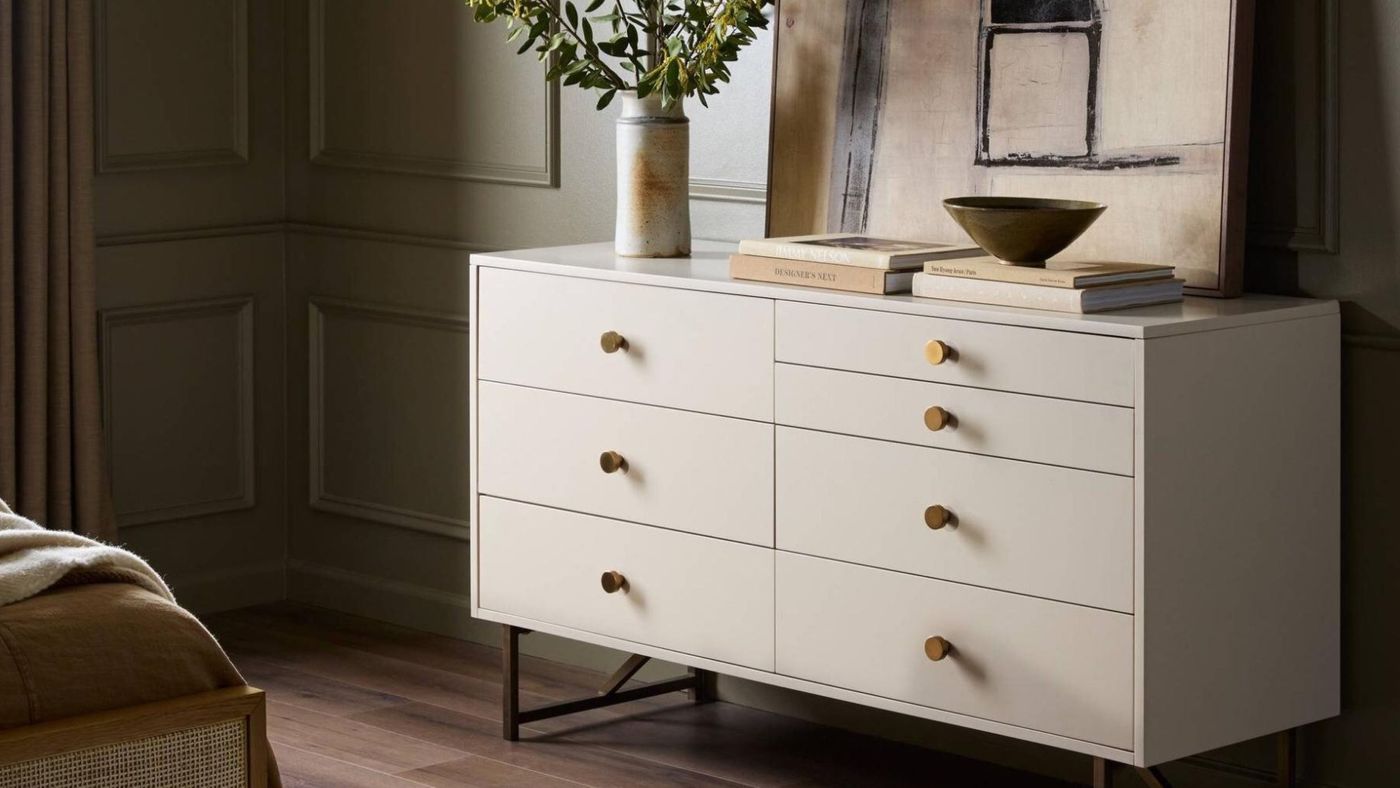
You can put a clean-lined sofa next to your grandmother's carved chest. Here is how I actually do it, including what to do about the matching set that is already sitting in your bedroom.
keep reading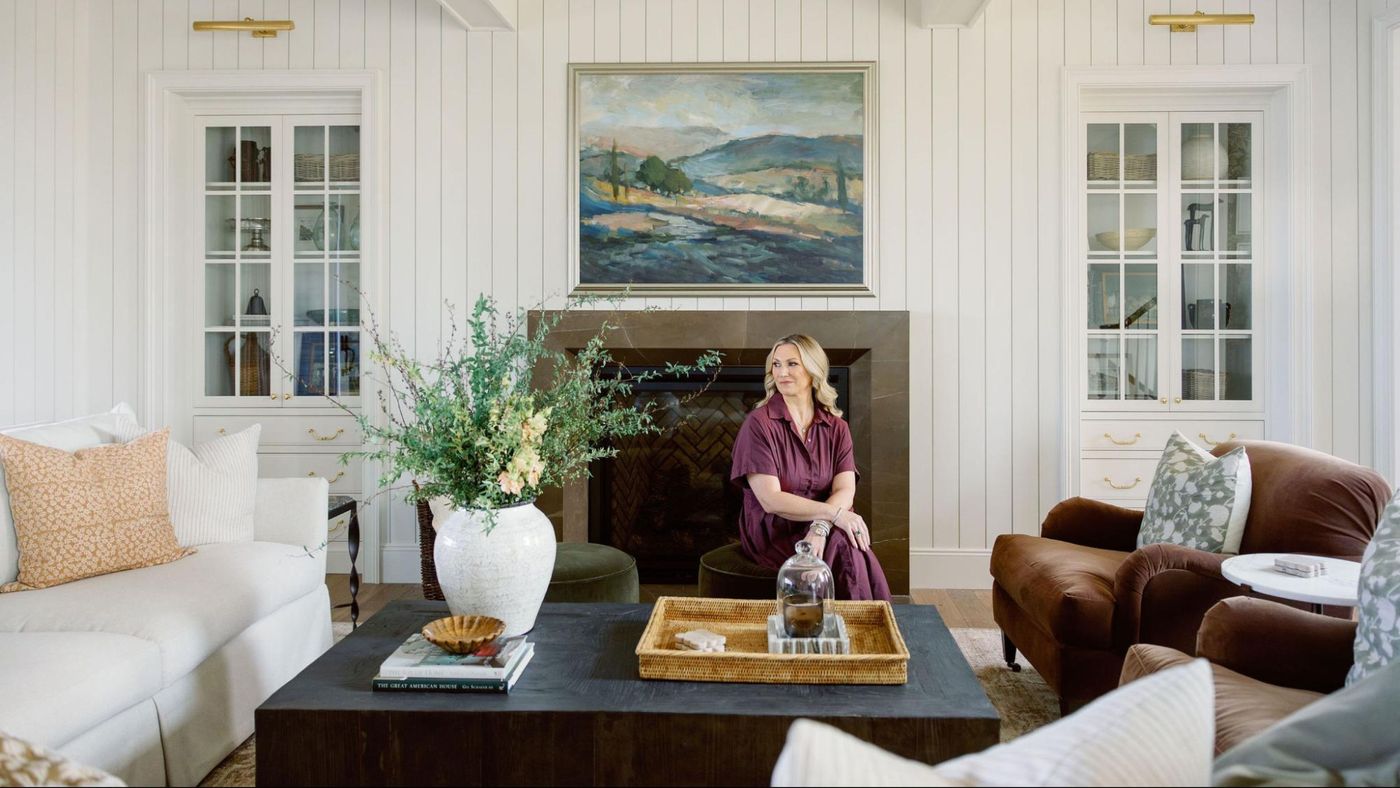
The kitchen is divided into three working zones, with the dining table right in the middle and the scullery at the end intentionally left open. Nothing is closed off from the rest of the space. Here’s the thinking behind each of those decisions.
keep reading
Three completely different purchases go by the same name. Here's how I sort them, and what I'd buy for each.
keep reading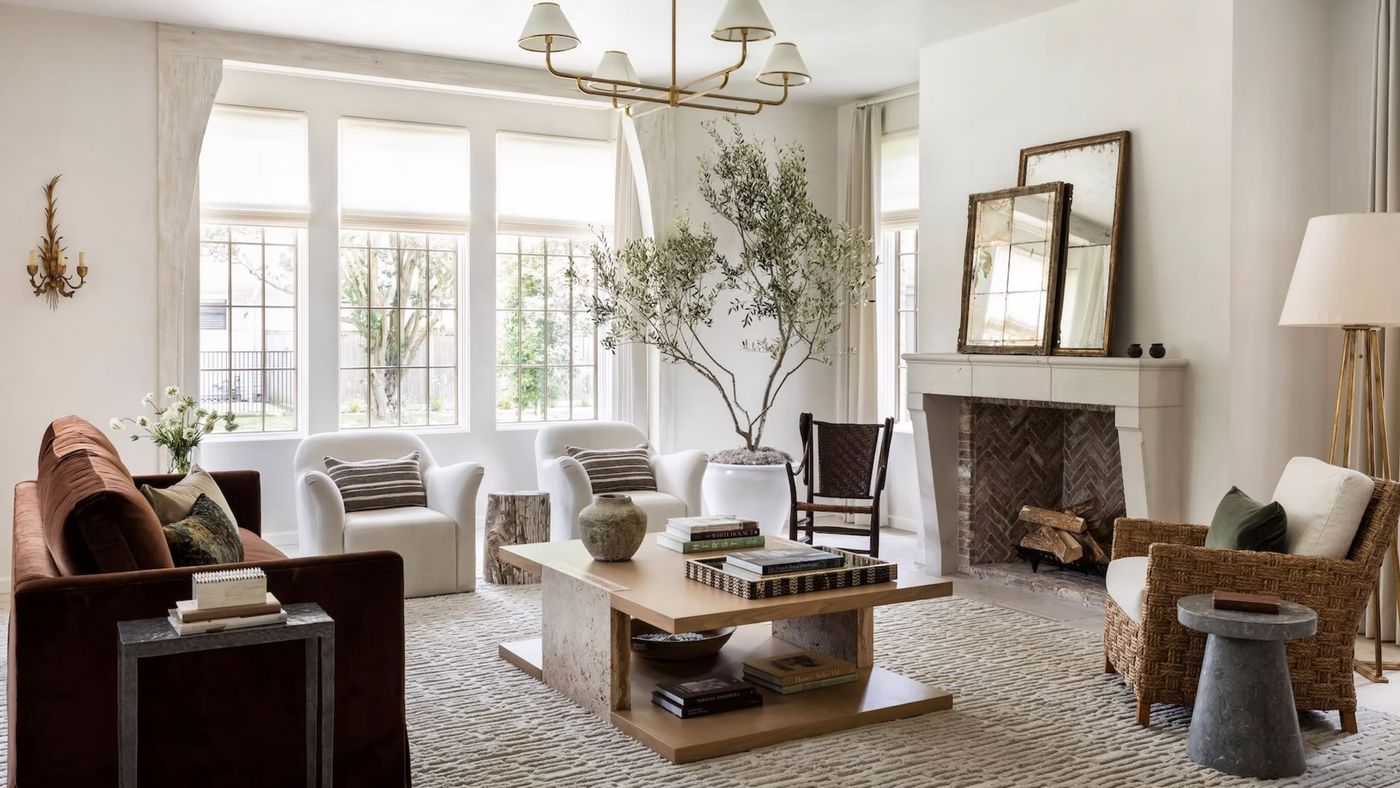
Diameter, clearance, and the base you choose decide how many people actually fit around a round table. Here are the numbers our designers use, and the tables we'd recommend to every client.
keep reading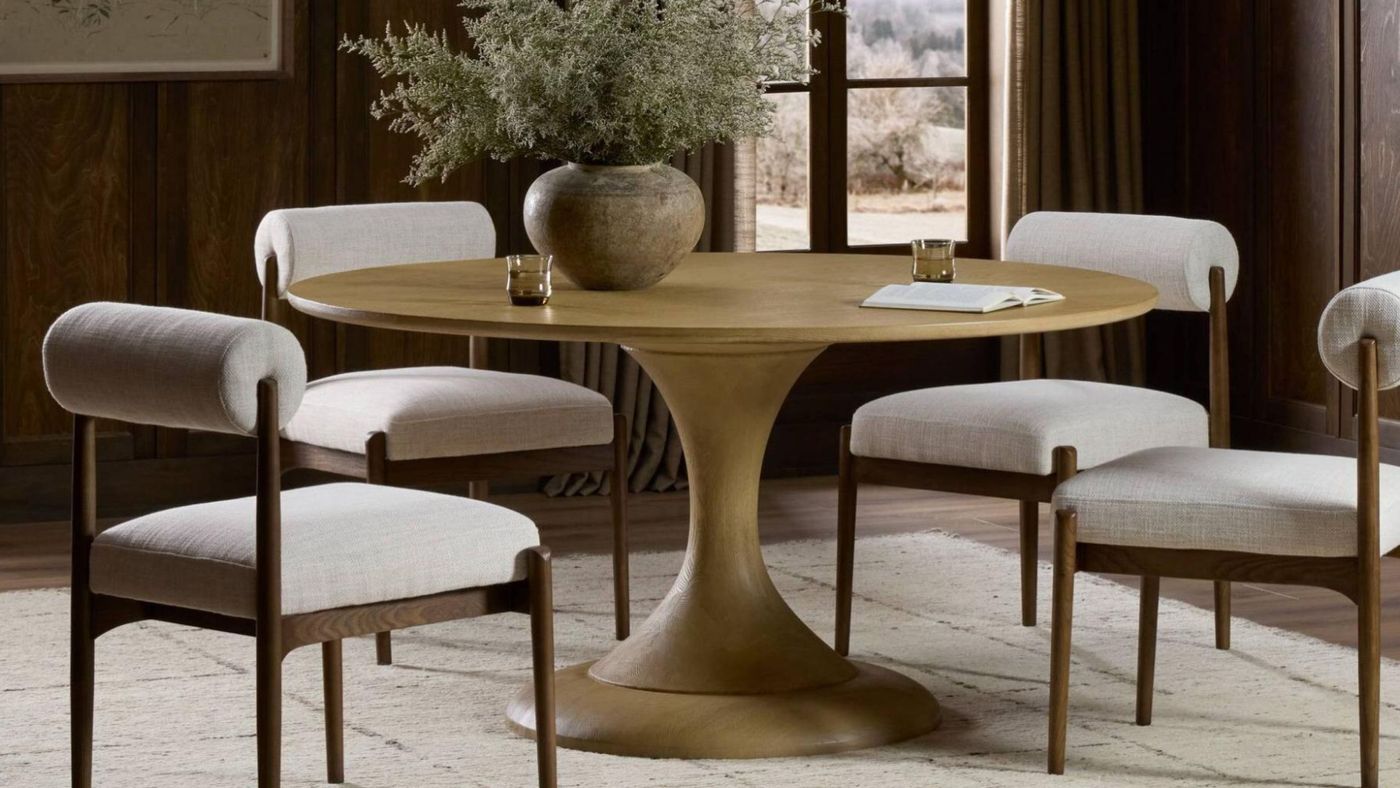
Six white dresser styles — from warm antique finishes to sculpted modern lacquers — and the rooms each one suits best. Shop designer dressers at Scout & Nimble.
keep readingYou can put a clean-lined sofa next to your grandmother's carved chest. Here is how I actually do it, including what to do about the matching set that is already sitting in your bedroom.
keep reading


