

Hello, dear readers! Today, we're diving into the beautifully imperfect world of Wabi-Sabi interior design. You might have heard the term floating around the design world or seen it applied in cozy, serene spaces that feel like a warm hug.
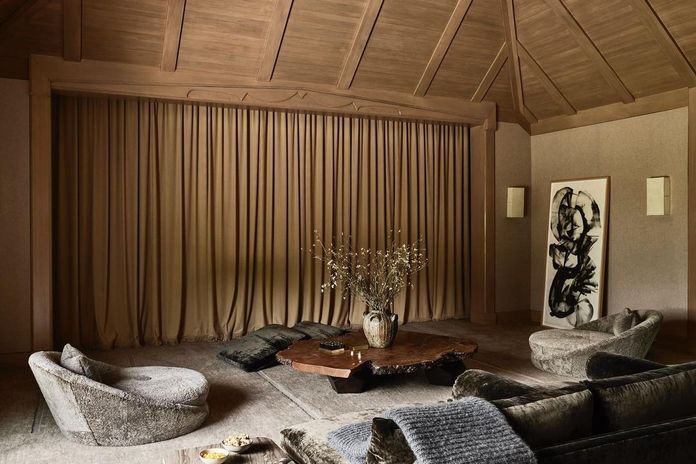
Hello, dear readers! Today, we're diving into the beautifully imperfect world of Wabi-Sabi interior design. You might have heard the term floating around the design world or seen it applied in cozy, serene spaces that feel like a warm hug.
Wabi-Sabi isn't just a design trend; it's a philosophy that celebrates the beauty in imperfection, the natural cycle of growth and decay, and the simple joys of life, and it’s been on the scene for a while now.

Design by Caldwell and Castello
Ready to explore how this ancient Japanese concept can transform your living space into a haven of tranquility? Let's embark on this journey together, with open hearts and minds.
1. What is Wabi-Sabi in interior design?
At its core, Wabi-Sabi is about finding beauty in the "imperfect, impermanent, and incomplete." Originating from Zen Buddhism, it's a concept deeply rooted in the acceptance of transience and imperfection.

Architecture & Design by Milad Eshtiyaghi
In interior design, Wabi-Sabi creates spaces that are minimal yet rich with texture, history, and natural beauty. It's a counter-narrative to the modern world's pursuit of perfection, offering a breath of fresh air to those who embrace it.

Architecture & Design by Makhno Studio
2. Characteristics of Wabi-Sabi
Imagine a space where every object tells a story, where the crack in a vase or the fade in a piece of fabric adds character rather than diminishes value. Wabi-Sabi is characterized by asymmetry, roughness, simplicity, and the inherent beauty of natural objects and processes.
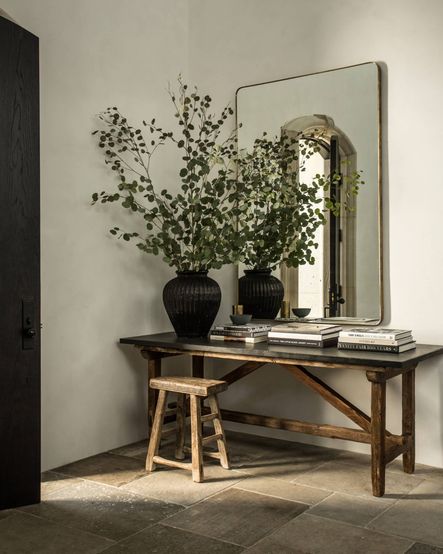
Design by Jake Arnold
It's about harmonizing with the natural world and recognizing the beauty in the weathered, the worn, and the ephemeral.

Design by Sean Anderson | Photography by Haris Kenjar
3. Principles of Wabi-Sabi Design
The principles of Wabi-Sabi design echo its philosophical roots: simplicity, modesty, and the appreciation of the organic. When applying these principles to design, it's about more than just aesthetics; it's about creating a mindful space that reflects the beauty of being.

Design by Axel Vervoordt
Furniture is chosen for its functionality and simplicity, decorations are minimal and meaningful, and the overall feel is one of calm and comfort.

Design by Stones and Walls
4. Wabi-Sabi Color Palette
The Wabi-Sabi color palette draws from the earth, featuring subdued hues that you might find in a misty forest at dawn or a sunbaked clay pot.
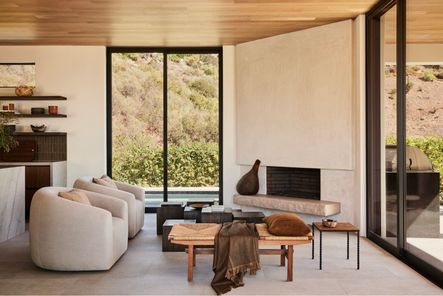
Design by Nicole Franzen
Think soft grays, creamy whites, dusky greens, and deep browns. These colors contribute to a soothing atmosphere that invites you to relax and breathe deeply, reinforcing the connection to the natural world.

Photography by Emily Kennedy
5. Wabi-Sabi Compared to Other Design Styles
Wabi-Sabi shares similarities with minimalist and Scandinavian design in its appreciation for simplicity and functionality. However, it sets itself apart with its profound embrace of imperfection and the passage of time.
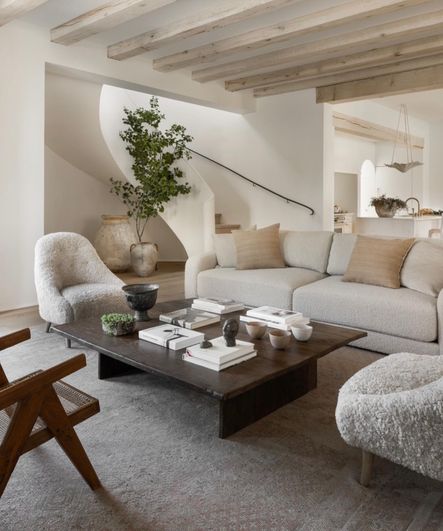
Design by Betsy Brown, Inc.
Unlike minimalism's often stark and polished look, Wabi-Sabi is warmer, more organic, and deeply personal. It's less about following strict design rules and more about creating a space that feels true to you.
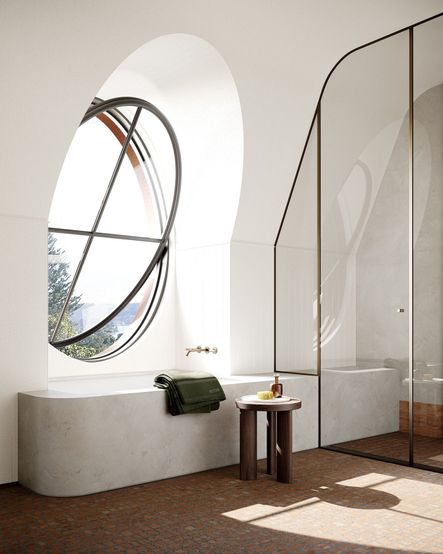
Architecture by Luigi Rosselli Architects
6. Practical Tips for Implementation
Incorporating Wabi-Sabi into your home doesn't require a complete overhaul. Start with decluttering, not to create a stark space, but to make room for items that truly matter.

Design by Terreo Studio
Opt for natural materials like wood, stone, and linen, and choose pieces with a story, whether it's a hand-me-down wooden table or a ceramic bowl you fell in love with at a local market.

Design by Yana Prydalna
Remember, the goal is to create a space that feels lived-in and loved, a reflection of the perfectly imperfect journey of life.
Embracing the Wabi-Sabi Way
Embracing Wabi-Sabi is like giving yourself permission to take a deep, relaxing breath. It's an invitation to slow down, appreciate the moment, and find beauty in the everyday. In a world that often feels rushed and superficial, Wabi-Sabi offers a sanctuary of authenticity and warmth.

Design by GWDesign
So, why not give it a try? Let your home be a testament to the beauty of imperfection, a place where every crack and crease tells a story of love, life, and the passage of time.

Design by Clint Nicholas
Bringing Wabi-Sabi into Your Home
We’d love to hear from you! Have you incorporated elements of Wabi-Sabi into your home? Or maybe you're inspired to start a Wabi-Sabi project? Share your thoughts, experiences, and insights below. Let's continue this conversation and learn from each other's journeys in creating spaces that celebrate the perfectly imperfect.
Comments
Comment or question? Leave it below.
The kitchen is divided into three working zones, with the dining table right in the middle and the scullery at the end intentionally left open. Nothing is closed off from the rest of the space. Here’s the thinking behind each of those decisions.
keep reading
Designer Jennifer Hunter built a Greek Revival in Connecticut and gave every room a starting point. Inside her pattern-filled Litchfield County home.
keep reading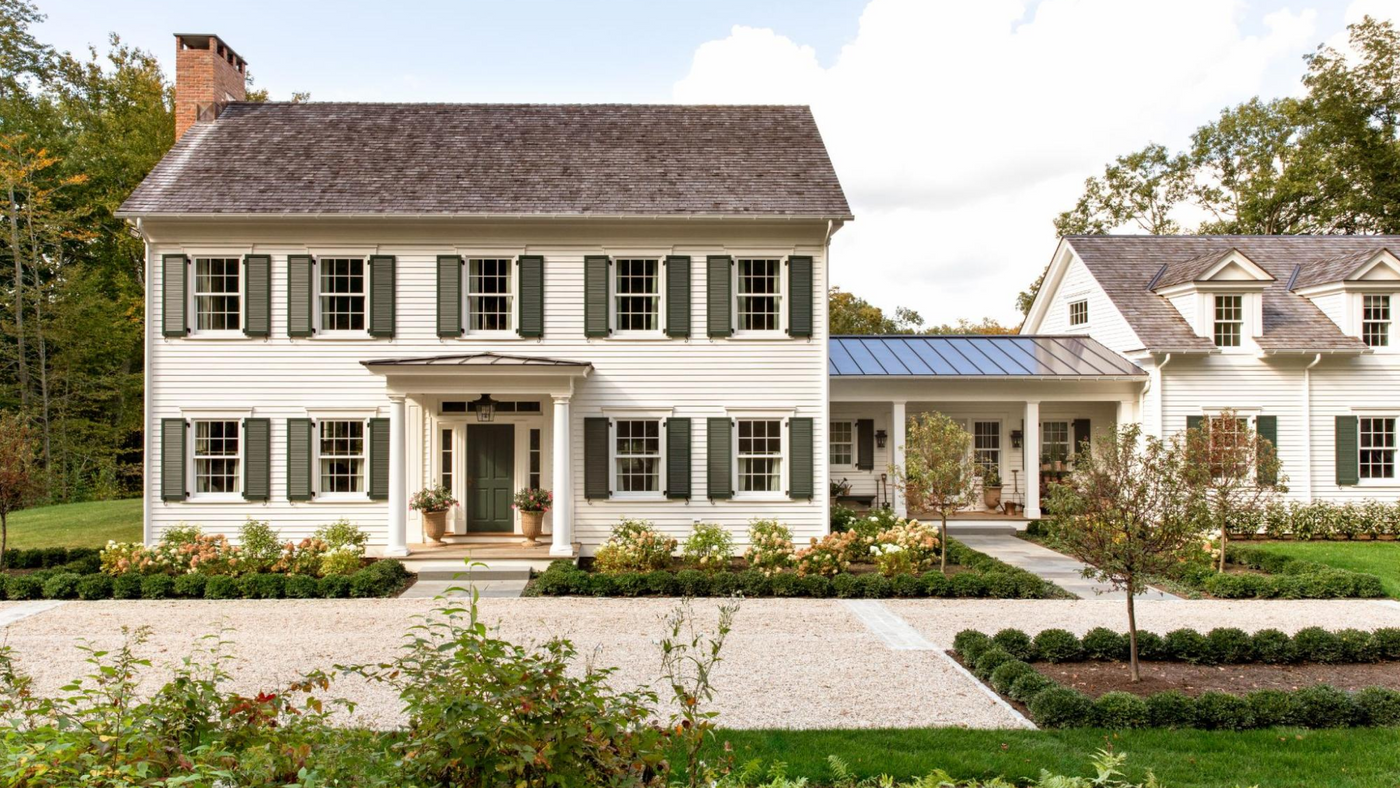
Gabby furniture, seen in six rooms of the Scout House. Jesse breaks down every piece she chose, what the quality buys you, and where to start.
keep reading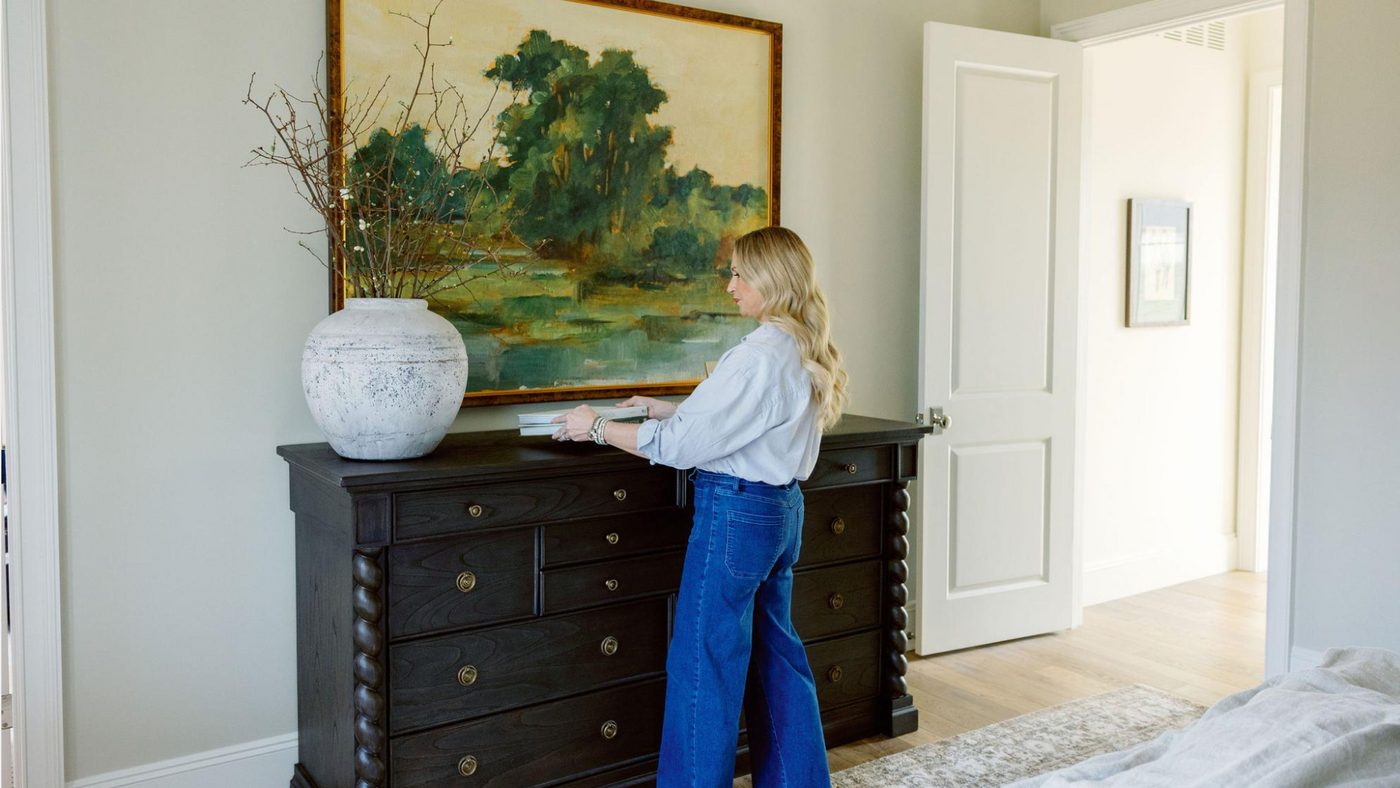
Jesse put True Caliber refrigeration in the Scout House and color matched the cabinets to it. Why she showed the appliance instead of hiding it.
keep reading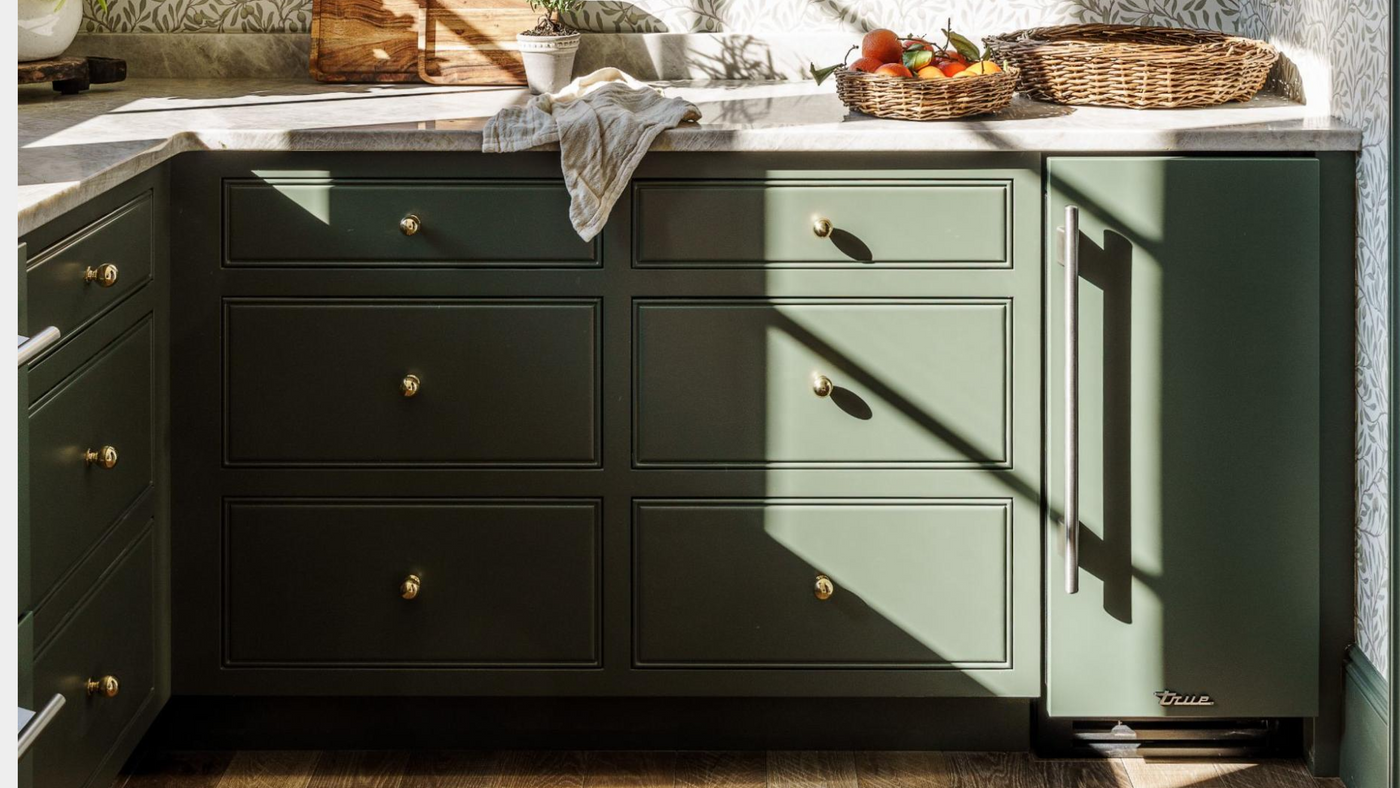
You can put a clean-lined sofa next to your grandmother's carved chest. Here is how I actually do it, including what to do about the matching set that is already sitting in your bedroom.
keep reading
The kitchen is divided into three working zones, with the dining table right in the middle and the scullery at the end intentionally left open. Nothing is closed off from the rest of the space. Here’s the thinking behind each of those decisions.
keep readingDesigner Jennifer Hunter built a Greek Revival in Connecticut and gave every room a starting point. Inside her pattern-filled Litchfield County home.
keep reading


