

The coffee table anchors the whole room — so let’s get it right. Our designers’ guide to choosing the perfect size, shape, height and material, with styling tips you’ll actually use.
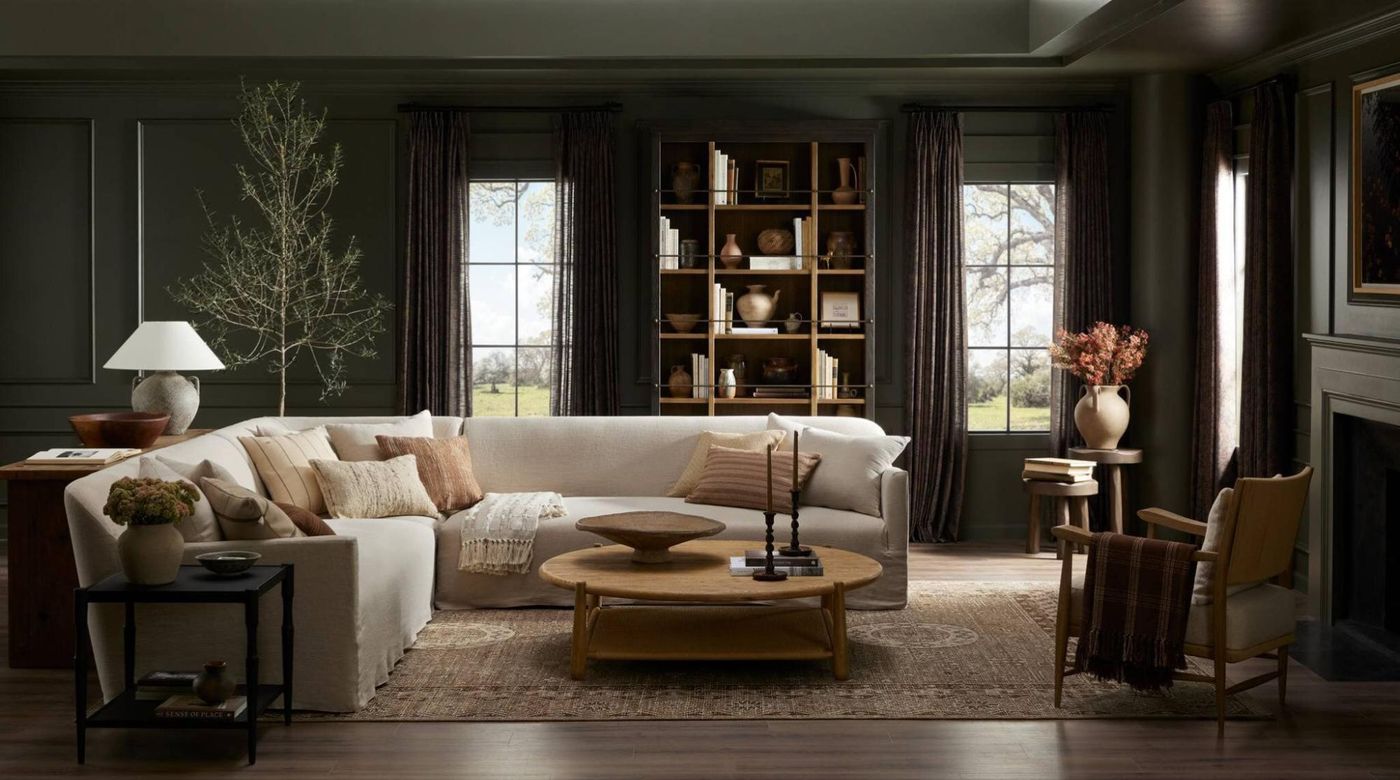
Quick answer:The right coffee table is about two-thirds the length of your sofa and sits 1–2 inches below the seat cushions, leaving roughly 14–18 inches of walking space on every side. A long sofa typically pairs best with a rectangular or oval coffee table, while a round table can soften tighter spaces and family rooms. From there, choose a material — wood, marble, metal, or glass — that fits the way your living room is actually used. If there’s one piece we’re asked about more than any other, it’s the coffee table. And we get it — it’s the heart of the living room. It sets the proportions of the whole seating area, holds everything from your morning coffee to a Friday-night board game, and it’s almost always the first thing a guest’s eye lands on. Get it right, and the room feels collected and complete. Get the size or height even a little off, and somehow the whole space feels unsettled. So let’s walk through every decision together, the way we would with a client, so you can buy once and love it for years.
How do I choose the right coffee table?
We always work through five decisions in order, because each one quietly narrows the next:
1. Size — Measure your sofa and the open floor first.
2. Shape — Match the table's footprint to your seating layout and the way you move through the space.
3. Height — Line up the top with your sofa seat so reaching for a drink feels effortless.
4. Material & Style — Choose for the life your living room actually leads, and the style you're building.
5. Storage — Decide whether you want an open display, a shelf, or hidden storage.
Most of us shop the opposite way — we fall for a gorgeous finish first — and end up with a table that's too big, too tall, or far too precious for everyday life. When you start with these fundamentals, the right table becomes much easier to spot.


What size coffee table do I need?
Three proportional rules cover almost every living room we style:
• Length: Aim for about two-thirds the length of your sofa. A standard 84-inch sofa loves a coffee table around 48–54 inches long.
• Clearance: Leave 14 to 18 inches between the sofa and coffee table. This gives you enough room to move comfortably while keeping the table within easy reach for drinks, books, and everyday use.
• Walkways: Ideally, leave 36 to 40 inches of clearance around the seating area so the room feels comfortable and easy to move through. In tighter spaces, 30 inches is typically enough to maintain good flow.


Here’s our quick cheat sheet for matching your sofa to a table length:
When you’re caught between two sizes, let the room guide the decision. Size down if circulation is a priority. A smaller table opens up the room visually and creates a more restrained feel, while naturally limiting how much visual weight and styling the table carries. Size up if you want the coffee table to make more of a statement. The larger scale helps anchor the seating area and gives you more room to layer in books, objects, and personal touches.
What shape of coffee table works best for me?
Shape really comes down to your seating layout and how people move through the room.
Rectangular Coffee Table
Rectangular is the classic for good reason — it echoes the line of a standard sofa and gives you the most surface to work with. We love it for formal or symmetrical living rooms.
Oval Coffee Table
Oval coffee tables are especially helpful in longer rooms, where their curved silhouette helps break up all the straight lines and creates a softer, more linear flow through the space. It's also a practical choice for family homes with little ones thanks to its rounded edges and softer profile. An oval coffee table softens a longer sofa beautifully and is often a practical choice for homes with young children thanks to its rounded edges. The shape feels inherently more relaxed, bringing a sense of ease that can make a seating area feel more inviting.
Circular Coffee Table
Circular tables are a quiet problem-solver. It’s wonderful in small spaces, around sectionals, and in high-traffic rooms — no corners to catch a knee, and it creates a softer flow through the room. A round coffee table also brings a welcome curve into a room full of straight lines. If your sofa is an L-shaped sectional, a round table tucked into that inside corner is almost always the most comfortable choice.
Square Coffee Table
Square shines with oversized accent chairs or when you have two sofas that make an L-shape. It does ask for more floor than a round table of similar reach, so we save it for roomier spaces.
How tall should my coffee table be?
The top of your coffee table should sit level with your sofa cushions, or up to 1–2 inches below. Most sofas seat at 17–19 inches, so most coffee tables land in that 16–18 inch range. With a table at cushion height, reaching for a drink feels effortless; much lower and you’re stooping; much taller and it starts feeling like a dining table.
There is an exception we love. And lower, sculptural tables (12–14 inches) are gorgeous with deep, sink-in seating — like an organic-modern living room you never want to leave.


Which coffee table material should I choose?
This is where durability meets design — so we always match the material to the life the room actually leads:
There's no universally right material, only the one that fits the way you live. Rather than thinking about which material is best, think about which feeling you want the room to have and how you expect the table to be used every day.
Do I need storage in a coffee table?
Ask yourself how the table needs to earn its keep. If your living room moonlights as a media room or play space, a table with drawers or a lower shelf is a quiet hero for wrangling remotes, coasters, and books. If you love an open, airy look — or you enjoy styling the surface — an open-base or pedestal table keeps the sightlines clean. A lower shelf is the happy middle: a little display, a little storage, none of the bulk.
How does a designer style a coffee table?
Here's the framework our designers come back to again and again — vary height, texture, and quantity. The rule of thirds is your friend: think of every vignette as a small conversation between three things.
Play with height.
Start with a short stack of books and add one taller piece — a vase, a sculptural object, or a petite lamp. The eye needs somewhere to land high and somewhere to rest low, and the difference between the two is what makes the surface feel intentional instead of cluttered.
Bring in something living.
A tray of greenery, a small bowl, a candle — anything that softens all that hard surface. It doesn't have to be flowers. A bowl of citrus, a single sculptural branch, even a stack of well-loved magazines all do the same job: they keep the table from feeling like a museum.
Mix your materials.
This is where most coffee tables go quiet. Pair smooth ceramic against rough wood, brass against linen, marble against a leather-bound book. The contrast is what gives the styling depth — match every finish and the whole arrangement falls flat.
One last thing.
Leave about a third of the surface clear so the table stays genuinely usable, and corral the small things on a tray so the whole arrangement lifts off in one motion come game night.

Coffee table accessories we love.
Below are a few of the pieces we reach for again and again when we're styling a coffee table — the bowls, the books, the small sculptural objects that make the whole arrangement feel collected. Start with one or two and build from there.
How can I tell if a coffee table fits the rest of my room?
A coffee table never lives alone, and two pairings matter most:
The rug.
Size your rug to the seating arrangement, not the coffee table. The front legs of your sofas and chairs should rest comfortably on the rug, with enough room for people to sit without feeling perched on the edge. As a general guideline, aim for about 10 to 12 inches of rug visible around the coffee table — though that can shift depending on the layout and how much circulation space the room needs.
Console and side tables.
Rather than matching every table in the room, think about creating a conversation between them. A walnut coffee table pairs beautifully with an oak console if they share a similar warmth. A metal detail repeated across the room — brass on a side table, the same brass on a lamp base — can tie the whole space together without ever feeling matchy.
And if you have a sectional or a very long sofa, consider two smaller tables, a nesting table or a coffee table paired with an ottoman instead of a larger slab. These options are more flexible, easier to move, and lets you serve from both ends of the seating group.


Shop coffee tables at Scout & Nimble
We curate coffee tables from the designer brands we love — like Four Hands, Gabby Home, and Noir — in every shape and material we've talked through here, from round and marble to fluted and reclaimed wood. Browse our full coffee table collection, filter by size, shape, and finish, and then pair your pick with a console table to pull the whole living room together.
Frequently asked questions
What size coffee table do I need for my sofa?
Aim for a table about two-thirds the length of your sofa, with 14–18 inches of clearance between them. An 84-inch sofa pairs beautifully with a 48–54 inch table. When in doubt, focus on proportion rather than size alone. A coffee table should feel appropriately scaled to the seating around it, not simply as large or as small as possible.
How far should a coffee table be from the sofa?
Leave 14–18 inches between the sofa and the table edge. That’s close enough to set down a drink without leaning forward, and far enough to slip past and stretch your legs comfortably.
Round or rectangular coffee table — which is better?
Rectangular and oval tables suit long, standard sofas and give you the most surface. Round tables are the friendlier choice for small rooms, sectionals, and homes with children — no corners to catch, and the eye flows right around them.
How tall should a coffee table be?
The top should sit level with your sofa cushions or up to two inches below — usually 16–18 inches high — so reaching for a drink feels effortless. Lower, sculptural tables (12–14 inches) are lovely with deep, lounge-style seating.
What is the most durable coffee table material?
Solid and reclaimed wood hides everyday life best and needs the least care, making it the most forgiving choice for families. Marble and glass are beautiful but ask for a little more — sealing for marble, frequent wiping for glass.
Comments
Comment or question? Leave it below.
A designer's honest read on 2026 interior design trends, straight from the market floor — the ceramics, glass, and color worth bringing home, and what to skip.
keep reading
A classic, timeless home built for modern living, designed with natural materials that only get better with age. Here’s the full tour.
keep reading
How I chose the windows for the Scout House — Marvin's Ultimate Collection, divided lites out front, clean glass out back, and a decade-long partnership.
keep reading
How to size a round coffee table to your sofa, pick a material you won't baby, and style it like a designer — with real dimensions and picks.
keep reading
How to choose and style a console table — heights, depths, where to place one, and a designer's styling formula. Shop console tables at Scout & Nimble.
keep reading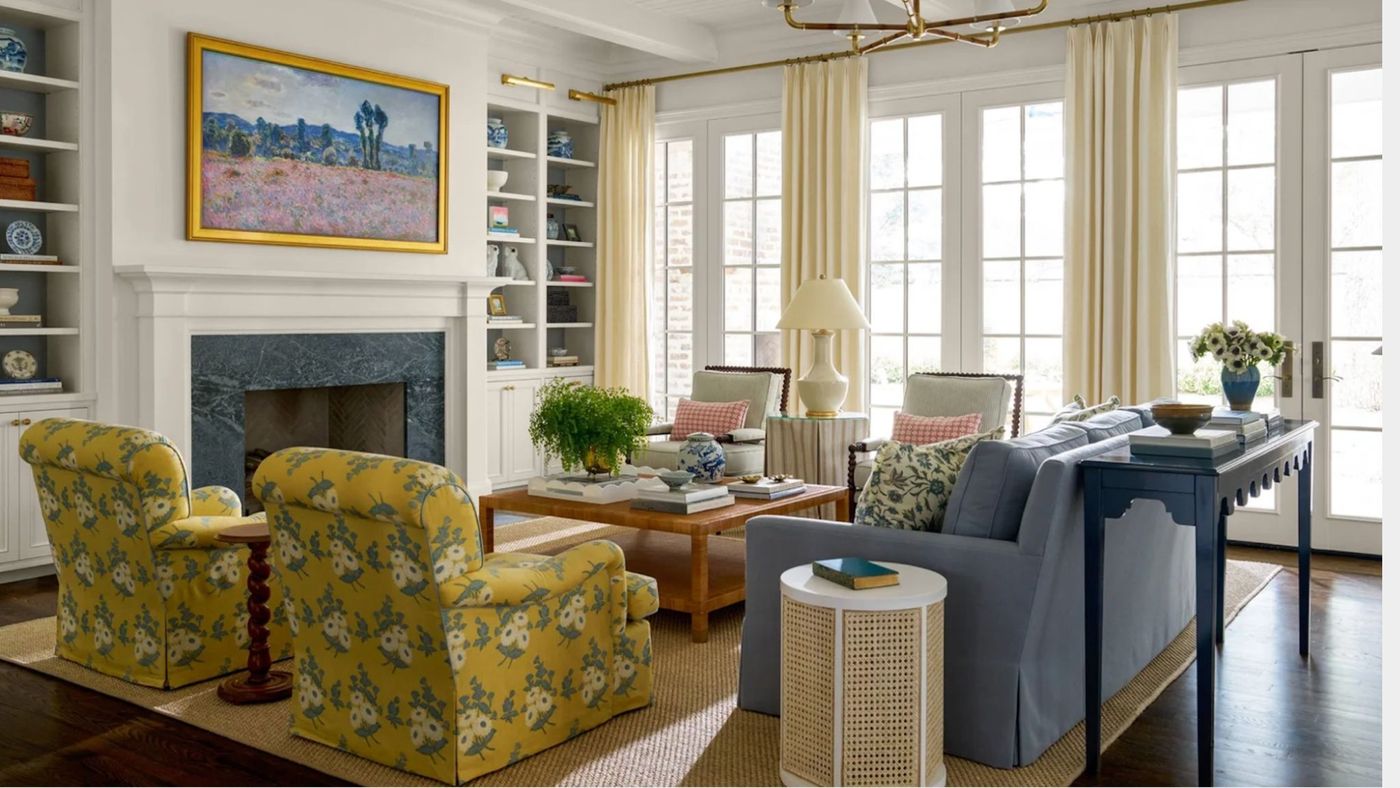
A designer's honest read on 2026 interior design trends, straight from the market floor — the ceramics, glass, and color worth bringing home, and what to skip.
keep readingA classic, timeless home built for modern living, designed with natural materials that only get better with age. Here’s the full tour.
keep reading


